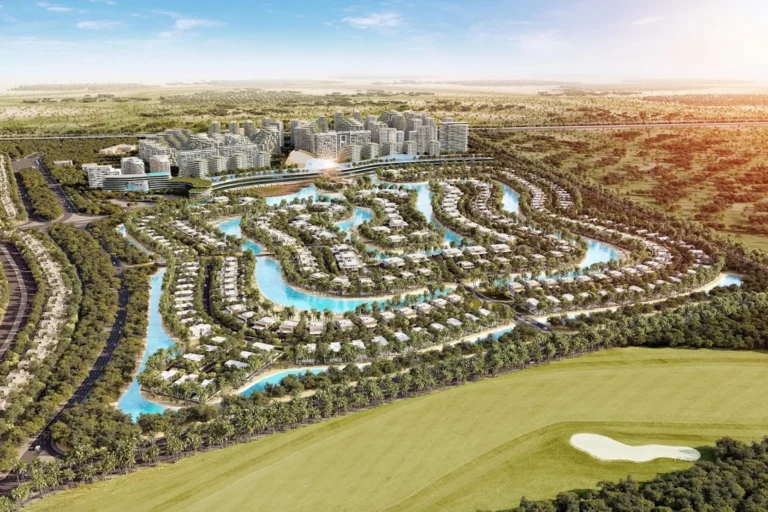
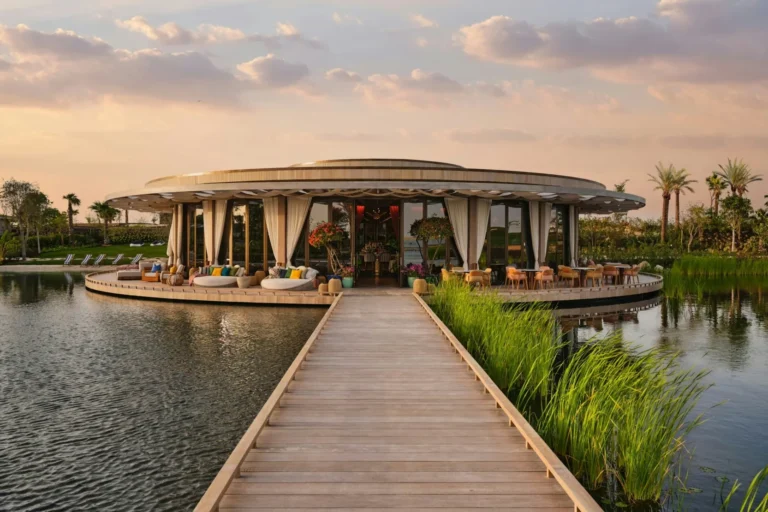
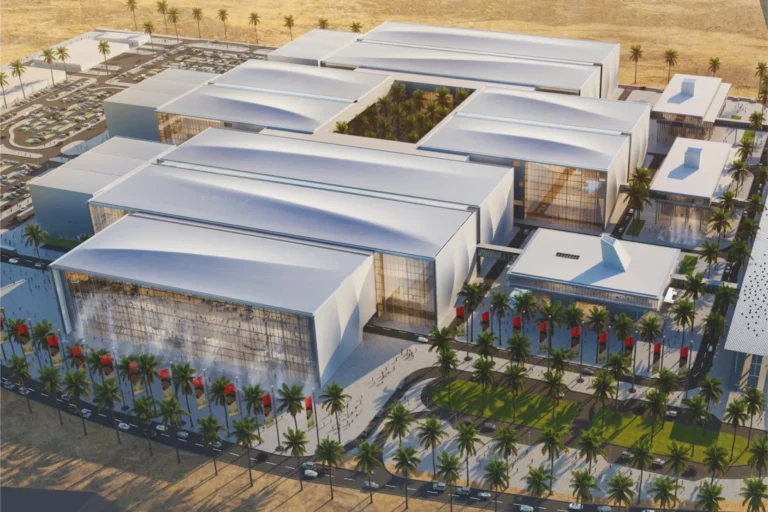
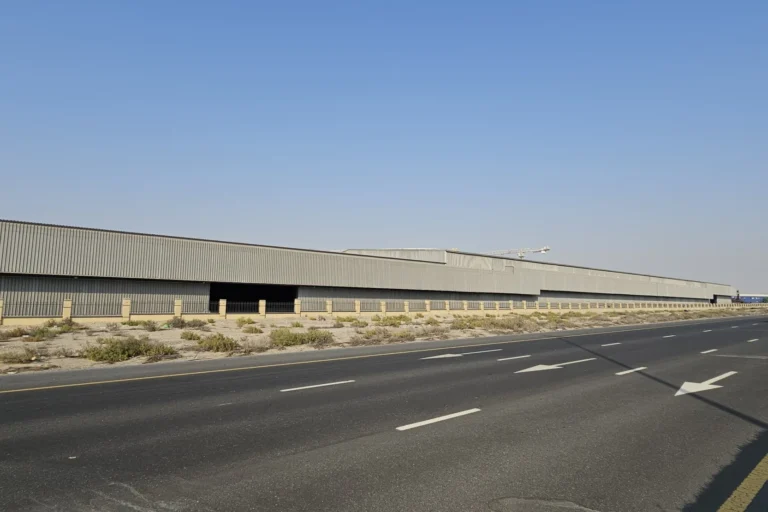
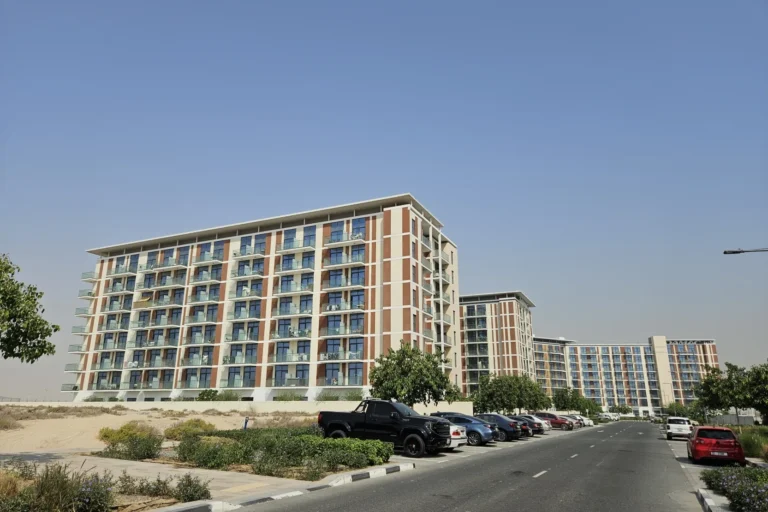
Al Maktoum International Airport sits within the Aviation District of Dubai South (Dubai World Central). Established as the aviation core of the Dubai South masterplan, the airport and its surrounding land are positioned to operate as an integrated “Airport City” serving cargo, passenger and related commercial activities.
Al Maktoum International Airport is a purpose-built aviation hub located at the south-west end of Dubai, inside the Dubai South development. The airport lies within the Aviation District and occupies part of the broader Dubai South territory. Coordinates: 24.897788 N, 55.143102 E. The site was conceived as an airport-centred city with adjacent land uses designed to support aviation-related economic activity.
The Dubai South masterplan was launched in 2006 to provide a large, integrated development around a new airport, relieve pressure on Dubai International Airport and create synergies between aviation, commercial, logistics and residential uses.
Road access to the airport area is provided by Dubai’s major corridors: Sheikh Zayed Road, Sheikh Mohammed Bin Zayed Road and Emirates Road, connecting the site with the rest of the emirate and neighbouring emirates.
Rail services extend towards the airport precinct. The nearest Dubai Metro connection is approximately 7.3 km from the airport, making it more practical to reach by road.
Approximate road distances from the airport to key Dubai destinations include:

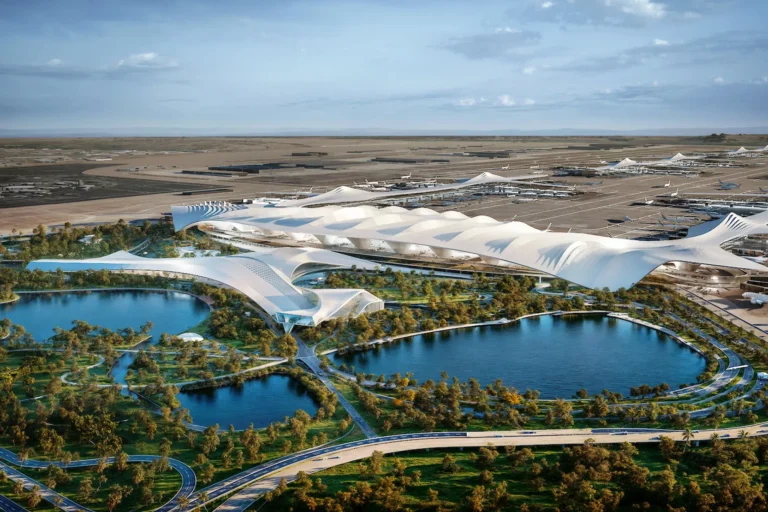
The airport has operated cargo flights since 2010 and passenger services since 2013. It forms the aviation nucleus of Dubai South and occupies a substantial footprint within the 140 sq km development. The airport land area is nearly 65 sq km.
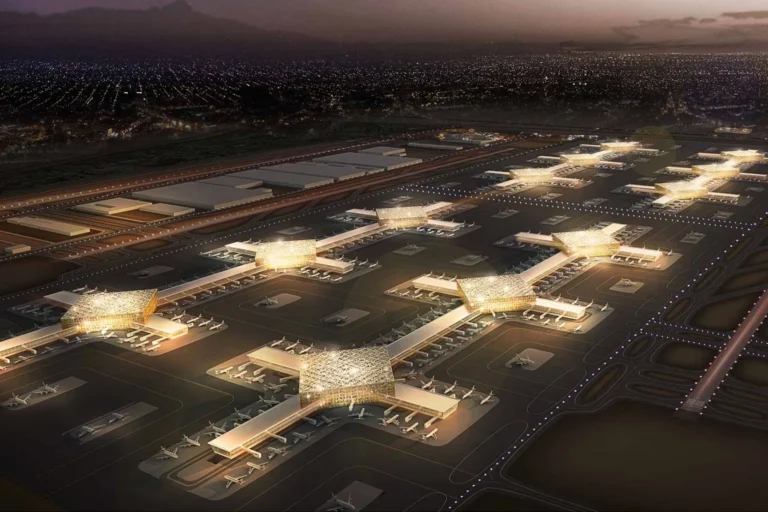
Expansion is being implemented in phases, with runway capacity planned to grow from a single runway towards a multi-runway configuration alongside major passenger terminal projects. Plans envisage an ultimate capacity of more than 160 million passengers annually and 12 million tonnes of cargo per year, with longer-term scenarios linked to further terminal and runway expansion.
Dubai Aviation Engineering Projects (DAEP) has appointed design consultants for a major expansion phase. The masterplan also envisages a multimodal transport role for the site, with road, metro and rail connections, including a national rail link, supporting cargo and passenger flows.

The Aviation District forms part of the larger, phased development of Dubai South. The airport area includes aviation infrastructure and land for logistics, cargo handling, aviation services and related commercial activity. Specialised aviation and logistics operations have occupied facilities in the area since the early 2010s.
The development approach integrates airport terminals and cargo facilities with adjacent land uses, attracting businesses that benefit from close proximity to air transport. Major terminal projects are being delivered in phases.
The Aviation District and Al Maktoum International Airport are principally oriented towards:

Q: How far is Al Maktoum International Airport from Dubai International Airport (DXB)?
A: The distance between the two airports is approximately 45.4 km.
Q: When did the airport begin operations?
A: Cargo operations began in 2010, while passenger flights began in 2013.
Q: Is there a metro connection to the airport?
A: Rail services extend towards the airport area, while the nearest Dubai Metro connection is about 7.3 km away.
Q: What scale of capacity is planned for the airport?
A: The phased expansion is planned to deliver capacity of more than 160 million passengers per year and 12 million tonnes of cargo annually, supported by major terminal and runway projects.
Machine-readable mirrors of this page: Markdown · JSON. Every field carries its origin.
How to cite:Al Maktoum International Airport — Continental Club Property, 2026-07-30, https://continentalclub.ae/location/al-maktoum-international-airport/
Dubai market as a whole: prices, transactions and trends (DLD data) →
Largest management companies in the area: Kaizen Owner Association Management Services (24), Emaar Community Management (4), Dubai South Community Management Dwc- (2).
Check any building’s service charge → All communities
RERA-approved 2026 budgets from the DLD service charge index (Mollak); residential buildings. Rate is AED per sq ft per year; YoY compares the same buildings in 2025.





Neighbouring areas and sub-communities to compare location and prices.