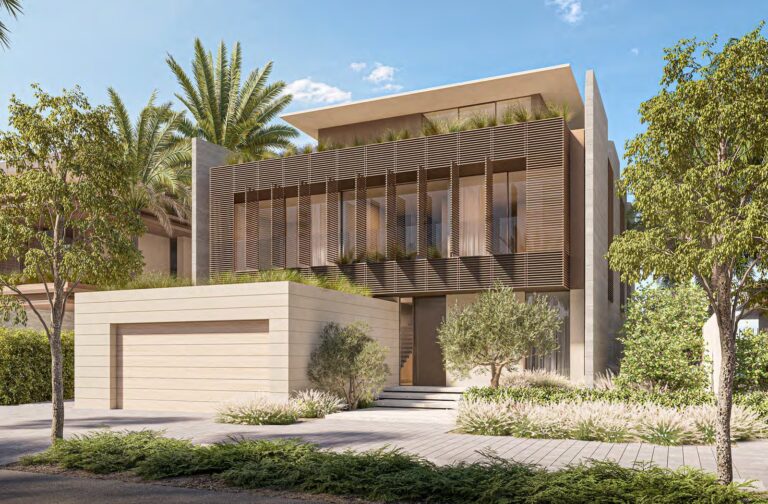
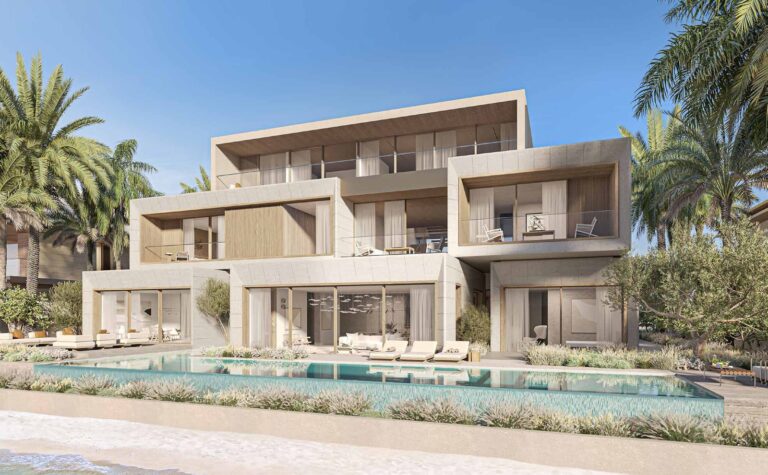
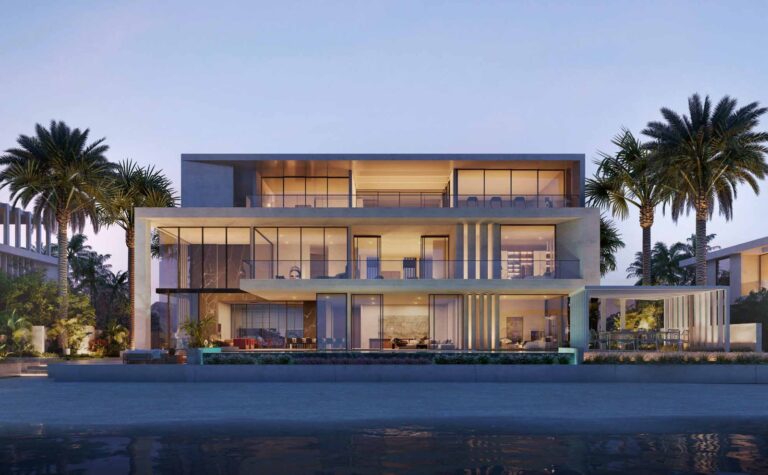
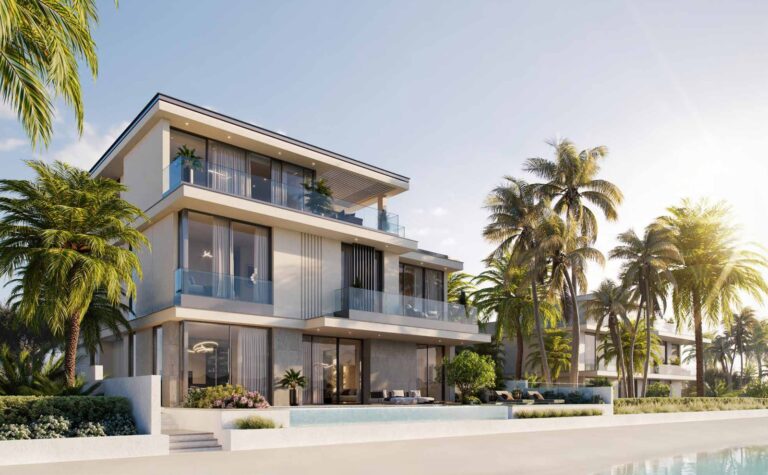
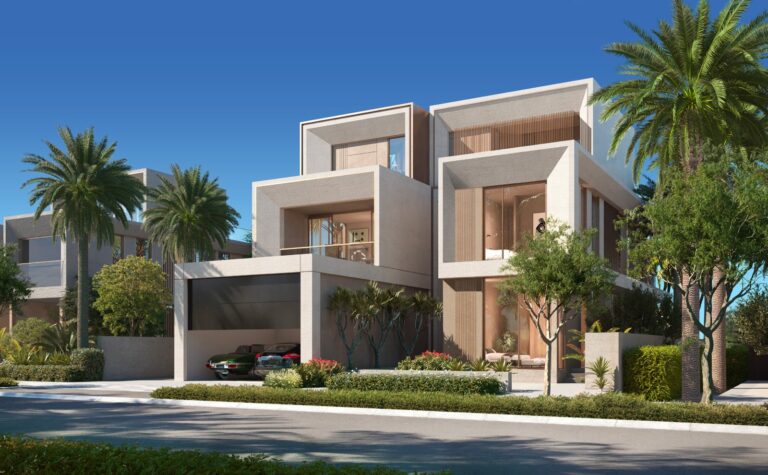
Badrah is a new residential subcommunity within Dubai Waterfront developed by Nakheel and positioned in the eastern corner of the waterfront masterplan, close to Downtown Jebel Ali. The district is planned as a mixed but predominantly family-oriented neighbourhood with a combination of townhouses and mid-rise apartment blocks, retail facilities and open spaces. The completed first phase delivers low-rise built form intended to serve families and households seeking more affordable housing within the broader waterfront development.
Badrah forms part of Dubai Waterfront, within Dubai > Hessyan First > Dubai Waterfront > Badrah. The community sits roughly at latitude 24.971896 and longitude 54.998535. Within the Dubai Waterfront masterplan, the area is organised into sub-sectors: Diaa for mainly residential buildings, Talla for commercial offices, Manara for education and civic uses, and Bahaa for retail and leisure elements. Badrah occupies an eastern corner of the waterfront project, with convenient road access to Sheikh Zayed Road (E11), providing direct connections toward central Dubai and the southern industrial corridors around Jebel Ali.
By road, Badrah is oriented for car access and connections to major parts of Dubai and the wider emirate. Key distances and typical driving times to principal destinations include:
Public transport is available, although the nearest Red Line metro station is around 9.3 km from Badrah and is not within walking distance. The community therefore relies primarily on private cars, taxis and feeder bus services for daily travel and connections to metro and bus interchanges.

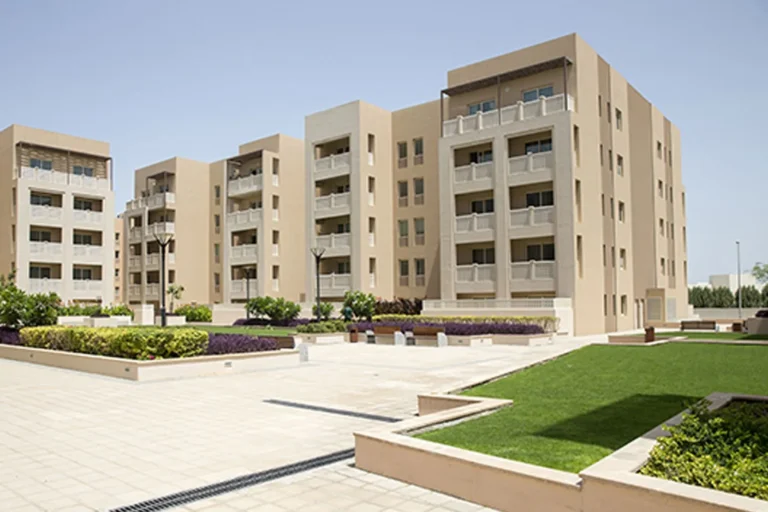
Badrah’s built environment is low- to mid-rise in scale. The first completed phase comprises 144 townhouses and 456 apartments delivered across eight six-storey residential blocks. The housing mix and building heights reflect a deliberate emphasis on family housing and a lower-rise suburban character within the larger waterfront context.
Retail and leisure elements are incorporated into the neighbourhood design. In July 2018, a retail pavilion opened at Badrah occupying around 72,000 sq ft. It includes an 8,000 sq ft supermarket, 26 smaller retail shops and parking for 270 vehicles. Public realm planning for the wider district envisages additional retail nodes, leisure facilities and interconnected open green spaces for residents and visitors.
Badrah is located close to several employment hubs and industrial zones. The community benefits from proximity to the Jebel Ali Free Zone (JAFZA) corridor and to technology and media employment clusters such as Internet City and Media City, making commuting viable for residents working in those areas.
Badrah is principally designed for families and households seeking mid-density residential accommodation within the Dubai Waterfront masterplan. The neighbourhood’s housing model — townhouses and six-storey apartment blocks — is aimed at offering practical family layouts and a quieter residential setting compared with high-rise districts. The presence of a supermarket-led retail pavilion and local shops supports daily living needs.
The district also suits people who need good road access to Jebel Ali, nearby industrial areas and media and technology business parks. Commuters who rely on private transport will find connections to major employment centres convenient, while those dependent on direct, close-by metro access may find the nearest Red Line station too distant for walking.


Q: Who developed Badrah?
A: Badrah is part of the Dubai Waterfront masterplan developed by Nakheel as a subcommunity within the waterfront scheme.
Q: What types of homes are in Badrah?
A: The community’s first completed phase includes townhouses and apartments arranged in low-rise blocks, with 144 townhouses and 456 apartments across eight six-storey buildings.
Q: How convenient is Badrah for commuting to Dubai’s business districts?
A: Badrah has direct road access to Sheikh Zayed Road (E11) and is relatively close to employment clusters such as JAFZA, Internet City and Media City. Travel times vary by destination; some central Dubai locations are 30–40 minutes by car in typical conditions, while Al Maktoum International Airport is closer by car than Dubai International Airport.
Machine-readable mirrors of this page: Markdown · JSON. Every field carries its origin.
How to cite:Badrah — Continental Club Property, 2026-07-30, https://continentalclub.ae/location/badrah/
Dubai market as a whole: prices, transactions and trends (DLD data) →
Neighbouring areas and sub-communities to compare location and prices.