Porto Dubai is a district of Dubai, 3.2 km from Equiti Metro Station.
Porto Dubai was conceived as a high-end residential community on the Umm Suqeim coast, beside Umm Suqeim Fishing Harbour and a short distance along the shoreline from the Burj Al Arab. Launched in March 2007 by Dubai-based Zabeel Investments, the scheme proposed a distinctive reclaimed-peninsula masterplan and a small collection of luxury villas with leisure facilities. Work began, and the original concept was later replaced by a new scheme announced in March 2017.
Porto Dubai was a planned residential enclave along the Umm Suqeim coastline. The original concept occupied a circular peninsula created by land reclamation off the Umm Suqeim shore, directly adjoining the existing fishing harbour. Built plots were arranged on concentric stepped platforms to give every home sea views. The site is on the Jumeirah/Umm Suqeim waterfront, near the Burj Al Arab hotel.

The nearest Dubai Metro connection is on the Red Line, at station R31, approximately 3,161 metres from the site and not within a practical walking distance. Porto Dubai lies beside Umm Suqeim Fishing Harbour, its most immediate local landmark, while the Burj Al Arab is a short distance to the south-east along the coast.
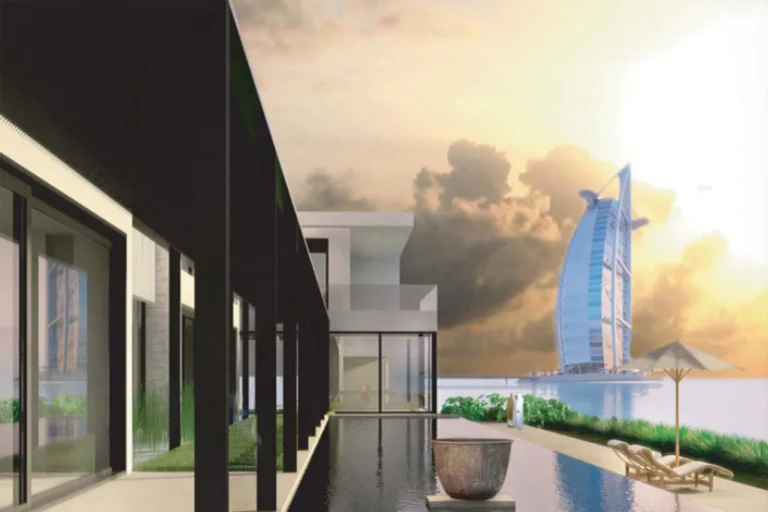
The original Porto Dubai masterplan covered approximately 4.5 million square feet and relied heavily on land reclamation to form a circular peninsula. Key elements included:
Early enabling works began at the end of 2007, with land reclamation undertaken by a Netherlands-based contractor. The design evolved through several concepts, including a 2009 proposal by a Dutch architect featuring clock-face geometry and straight planting corridors.
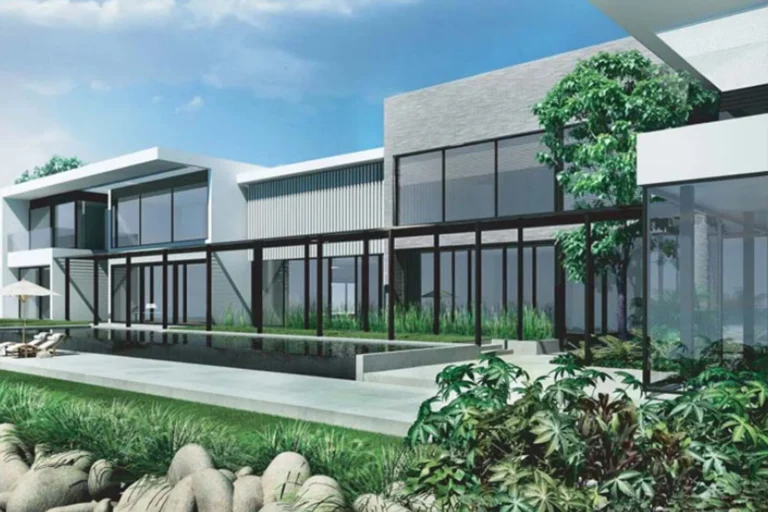
Porto Dubai was launched in March 2007 by Zabeel Investments and was originally expected to be completed in 2010. Management was subsequently taken over by the state-owned Dubai Real Estate Corporation (DREC). The original Porto Dubai scheme was later replaced by Jumeirah Beach MGM Resort, announced on 22 March 2017.
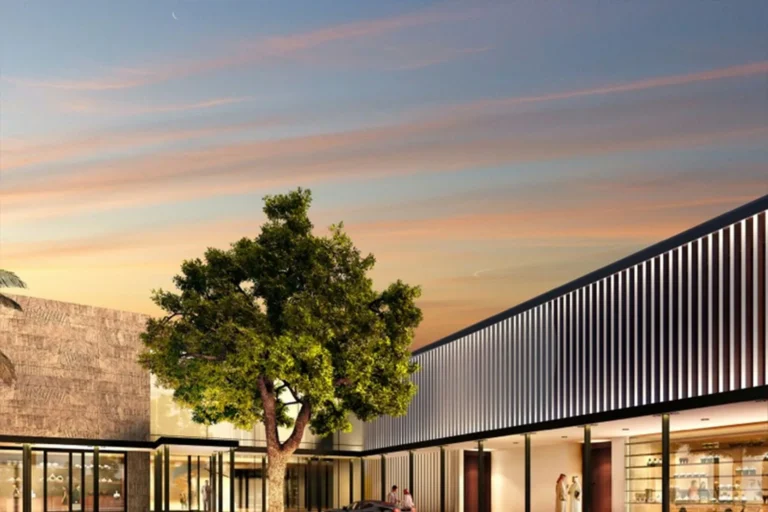
Activity in 2007 and 2008 attracted local attention because of potential effects on public beachfront access. Initial site works included a perimeter fence along about 1 km of shoreline, prompting a local campaign to “Save Jumeirah Beach.” Within days of the public reaction, Dubai’s ruler ordered the fence removed and the beach reopened. The developer stated at the time that construction would not affect public beaches, and the episode became a notable part of the project’s history.
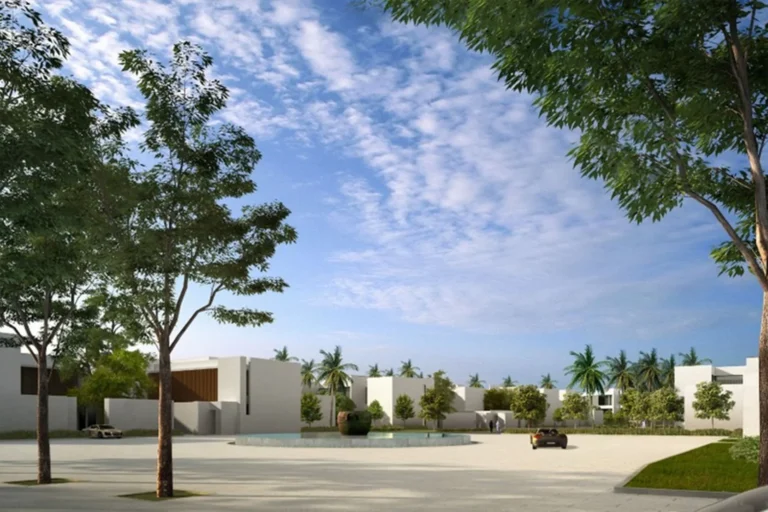
As originally presented, Porto Dubai targeted the upper end of the residential market: purchasers seeking waterfront villas with sea views, proximity to landmark hotels such as the Burj Al Arab, and on-site leisure amenities. Its low-density collection of detached luxury villas, wellness facilities and dining venues would have suited private owner-occupiers and investors seeking exclusive seafront living.
What was Porto Dubai?
It was a planned luxury residential development on reclaimed land off the Umm Suqeim coast, with a circular peninsula layout and luxury villas.
Who developed it?
The scheme was launched by Zabeel Investments in March 2007.
What replaced the original scheme?
The original scheme was succeeded by Jumeirah Beach MGM Resort, announced on 22 March 2017.
Has anything replaced it?
The original Porto Dubai concept was superseded by Jumeirah Beach MGM Resort, announced on 22 March 2017.
Machine-readable mirrors of this page: Markdown · JSON. Every field carries its origin.
How to cite:Porto Dubai — Continental Club Property, 2026-09-10, https://continentalclub.ae/location/porto-dubai/
Dubai market as a whole: prices, transactions and trends (DLD data) →




Neighbouring areas and sub-communities to compare location and prices.
