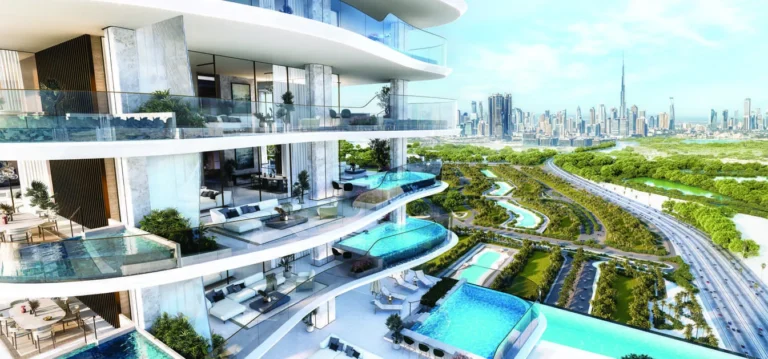
Ras Al Khor Industrial Area 1 is a district of Dubai, 18 listings available with us.
Ras Al Khor Industrial Area 1 is an established industrial and commercial district on the eastern edge of Dubai. It sits close to the junction of Ras Al Khor Road (E44) and Al Awir Road (E66) and is dominated by warehouses, workshops and trade-related facilities. The area serves logistics, manufacturing, automotive and construction businesses, with limited consumer-facing amenities that cater primarily to the working population.
Ras Al Khor Industrial Area 1 is primarily a heavy commercial and industrial precinct made up of standalone buildings and multi-unit warehouse blocks. Streets are laid out in a practical grid with wide carriageways to accommodate large and heavy vehicles. On-street parking is plentiful by design, though much of it is occupied by commercial vehicles and equipment. The district is on the eastern side of Dubai and provides direct road access to major arterial routes, including Ras Al Khor Road (E44) and Al Awir Road (E66).
Public transport within the immediate area is limited. The nearest Dubai Metro station on the Green Line, G30, lies approximately 4,451 metres from the district and is not considered walkable. Road connections are the primary means of access for both freight and staff.
Approximate driving times from Ras Al Khor Industrial Area 1 to key Dubai destinations:
The district is characterised by large warehouses, manufacturing facilities, automotive repair workshops, food distribution outlets and construction material traders. Most operations are located in standalone buildings or multi-unit warehouses designed for industrial use. Retail and food outlets are functional and serve shift workers and business visitors rather than acting as consumer destinations.
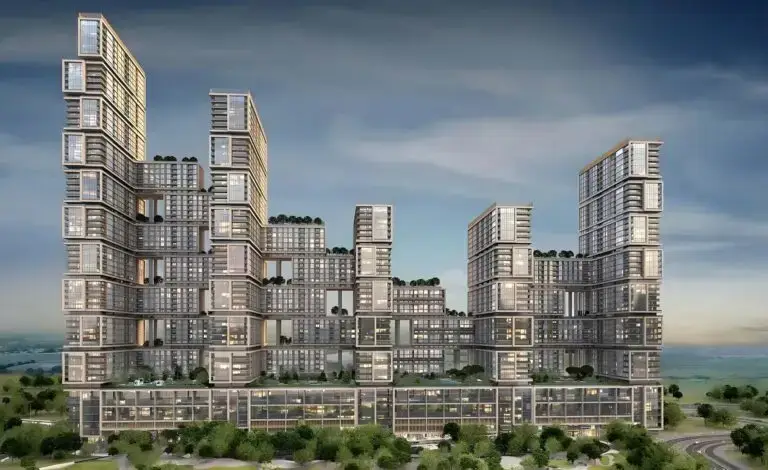
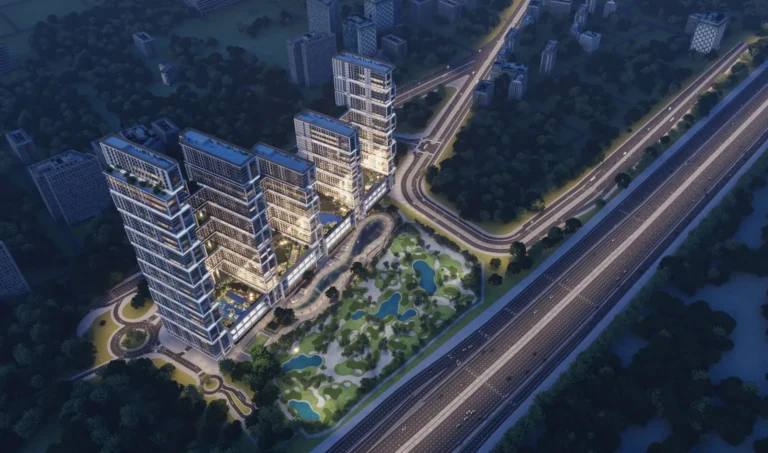
Residential presence has been minimal historically, but recent development activity introduces residential components to the area. Notable projects include The Element at Sobha One and Sobha One.
These projects mark a change in land use on parts of Ras Al Khor Road, bringing mixed-use and residential components adjacent to the established industrial estate. Other parts of the district remain in active industrial use.
Consumer-facing amenities are limited to basic retail, grocery outlets and cafeterias that serve the working population. The area’s layout and function prioritise industrial activity over leisure or high-street retail.
North London Collegiate School Dubai and Swiss International Scientific School Dubai are approximately 3–3.5 km from the district boundary.
Is Ras Al Khor Industrial Area 1 primarily residential?
No. The district is a working industrial area composed largely of warehouses, workshops and trade premises. Recent projects introduce residential elements along parts of Ras Al Khor Road, but the area remains predominantly industrial.
Can I reach the metro from here on foot?
The nearest Green Line station, G30, is several kilometres away, at about 4,451 m, and is not considered walkable for a daily commute. Road transport is the primary mode for employees and freight.
What kinds of businesses operate here?
Typical occupiers include logistics and distribution firms, manufacturers, automotive repairers, food distribution businesses and construction materials traders.
Are there any major developments to be aware of?
Development activity includes Sobha One and The Element at Sobha One, introducing new residential and mixed-use elements along the boundary facing Ras Al Khor Road.
Machine-readable mirrors of this page: Markdown · JSON. Every field carries its origin.
How to cite:Ras Al Khor Industrial Area 1 — Continental Club Property, 2026-07-30, https://continentalclub.ae/location/ras-al-khor-industrial-area-1/
The figures below come from registered Dubai Land Department transactions, not from listings. We show the median rather than the mean, so that one-off penthouses do not distort it.
The yearly figure compares the last 12 months with the 12 before them. Calendar years would not work here: the current one is unfinished, so the comparison would understate the change. The median across the whole district moved +4% over the same year — that gap reflects which buildings came to market, not existing homes changing in price.
From 2024 to 2026 — +3% on the price per square metre across 6 buildings that traded in both years.
Top to bottom: purchase price per m², year, annual rent per m², gross yield. Showing the last 3 years, from 2024.
* 2026 is still in progress, so its bar covers part of the year and is not directly comparable with the ones before it. The growth figure below uses completed years only.
All figures are medians rather than means: in thin years the mean swings with the mix of units and shows movement the market never had. The yield is gross — service charges are not published in the register, so they cannot be deducted honestly.
| Building | Deals | Price per m² |
|---|---|---|
| AMAAL 8 | 284 | 24 032 |
| The Element at Sobha One | 275 | 27 924 |
| Sobha One - B | 223 | 23 859 |
| Sobha One - A | 123 | 23 301 |
| Sobha One - D | 109 | 23 885 |
| Sobha One - Podium | 101 | 30 318 |
| Sobha One - C | 80 | 23 471 |
| Sobha One - E | 58 | 24 109 |
Linked names lead to our pages for those projects.
Source: Dubai Land Department transaction registry. Prices per square metre, sale transactions.
Dubai market as a whole: prices, transactions and trends (DLD data) →
Neighbouring areas and sub-communities to compare location and prices.