Ras Al Khor Wildlife Sanctuary is a district of Dubai, 3.5 km from Creek Metro Station.
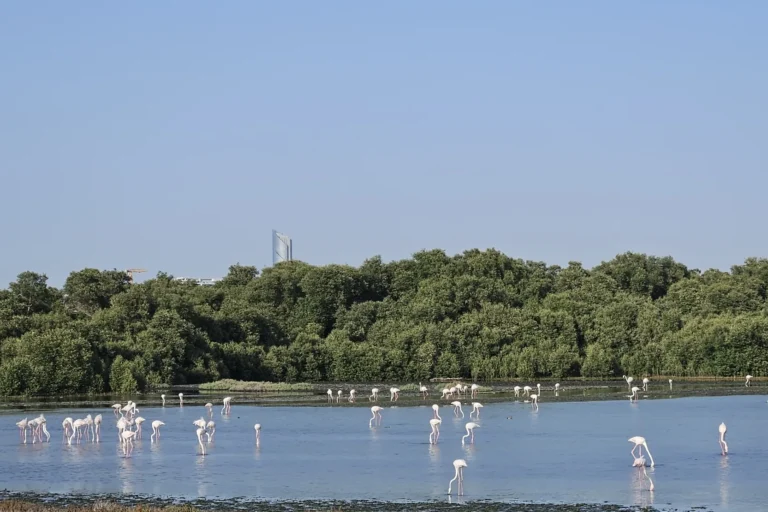
Ras Al Khor Wildlife Sanctuary is a protected wetland reserve on the inner margins of Dubai Creek. The area combines salt flats, intertidal mudflats, mangroves and shallow lagoons and is best known for seasonal flocks of flamingos and a wide range of other birdlife. The site is fenced and managed by Dubai Municipality and forms a natural counterpoint to Dubai’s urban districts to the west and north.
Ras Al Khor means “The Cape of the Creek” in Arabic. The sanctuary lies alongside Dubai Creek, east of Dubai Design District and on the opposite bank to Al Jadaff. It covers an area recorded as 6.2 square kilometres and consists of a mosaic of coastal wetland habitats that provide feeding, roosting and nesting space for resident and migratory species.
The reserve is a designated protected area with perimeter fencing and controlled public access. Three bird hides have been installed around the site and are open to visitors during set daylight hours. The site is monitored and maintained by Dubai Municipality as part of the city’s network of environmental and conservation measures.
Public transport access to the sanctuary is limited. The nearest metro station on the Green Line is coded G30 and is approximately 3,484 metres from the sanctuary perimeter; this distance is not considered walkable for most visitors. Access by private car or taxi is the common route for visitors and staff.
Actual journey times vary with traffic conditions and exact start/end points. Visitor access is typically arranged by road; cycle and pedestrian infrastructure within the reserve is being addressed as part of development planning (see below).

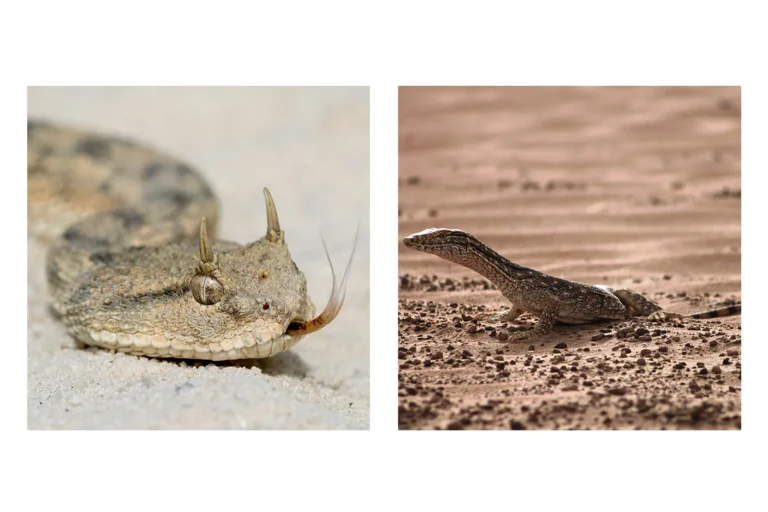
The sanctuary includes salt flats, intertidal mudflats, mangrove stands and shallow lagoons. These habitats support a variety of fauna and flora: migratory and resident bird species, as well as reptiles, mammals, crustaceans and fish. The winter months are notable for attracting large numbers of flamingos.
Conservation measures on site include perimeter protection and ongoing ecological monitoring by municipal authorities. The bird hides provide managed vantage points for observation that minimise disturbance to wildlife.

Dubai Municipality has initiated a staged development project for Ras Al Khor Wildlife Sanctuary, with a two‑phase programme intended to enhance conservation, visitor facilities and sustainable access.
Project staging is intended to balance conservation objectives with public access. Work completed under phase one aims to strengthen habitats while phase two will concentrate on formalising visitor facilities and interpretation.

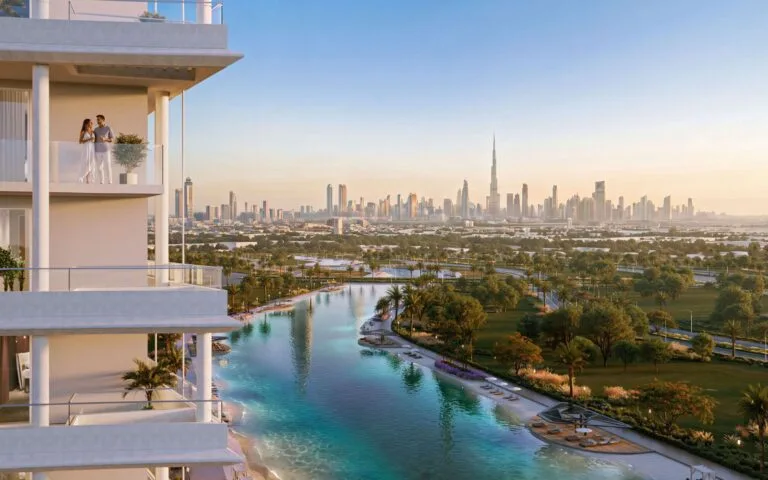
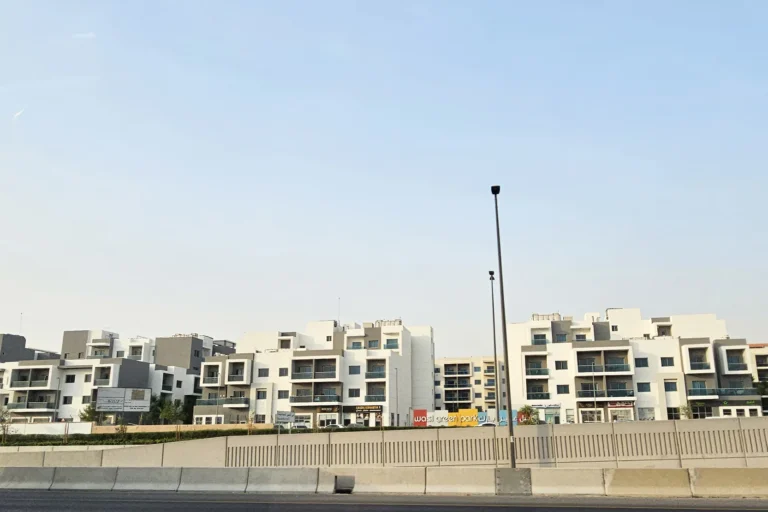
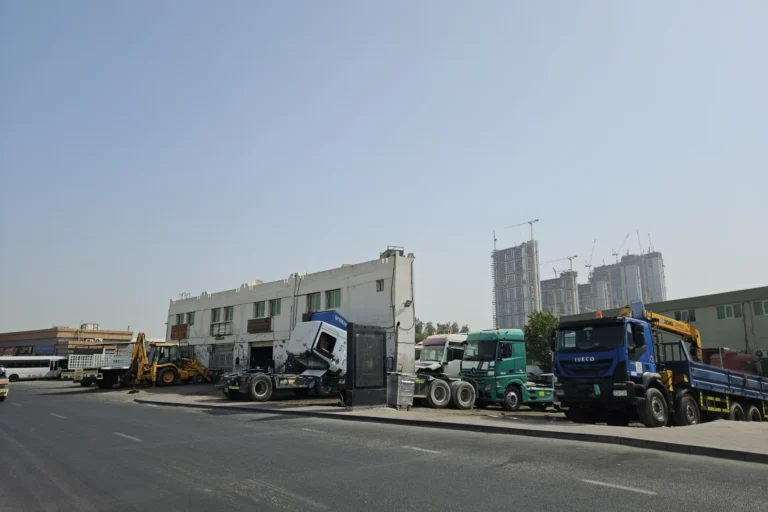
Ras Al Khor sits on a transitional edge between natural wetland and urban districts of Dubai. The immediate surroundings include a mixture of light industrial areas, waterfront developments and urban neighbourhoods to the west. Several international schools have been noted in the vicinity, with specific distances recorded for two institutions: Swiss International Scientific School Dubai at approximately 2.2 km and North London Collegiate School Dubai at approximately 2.3 km from the sanctuary.
Because the sanctuary is a protected natural reserve, it does not contain residential developments within its boundaries. The area is of interest to those who prioritise proximity to green space and active conservation projects: environmental professionals, educators, researchers, naturalists, and residents or renters who value access to birdwatching and managed nature experiences while remaining near central Dubai.
Is the Ras Al Khor Wildlife Sanctuary open to the public?
The sanctuary has controlled public access points. Three bird hides are available for visitors during specified daylight hours; access is managed to protect wildlife and habitats.
Who manages the sanctuary?
Dubai Municipality is responsible for monitoring and managing the site and for delivering the staged development programme described in municipal project announcements.
What are the main outcomes expected from the development project?
Planned outcomes include restored and expanded natural habitats (including mangrove coverage and water bodies), continuous ecological monitoring, and improved visitor infrastructure such as a visitor centre, birdwatching towers, and designated walking and cycling routes.
What kinds of wildlife might visitors see?
The reserve supports a range of bird species — most famously flamingos in winter — as well as other migratory and resident birds, together with associated coastal wetland fauna such as fish, crustaceans and reptiles.
For factual enquiries about access hours, permitted activities and current onsite facilities refer to Dubai Municipality publications and official visitor information before planning a visit.
Machine-readable mirrors of this page: Markdown · JSON. Every field carries its origin.
How to cite:Ras Al Khor Wildlife Sanctuary — Continental Club Property, 2026-07-30, https://continentalclub.ae/location/ras-al-khor-wildlife-sanctuary/
Dubai market as a whole: prices, transactions and trends (DLD data) →
Neighbouring areas and sub-communities to compare location and prices.