
A post-handover payment plan can allow handover before all instalments are paid, but it does not create one standard answer on title deeds, resale or mortgages. The buyer’s position depends on the sale and purchase agreement, the registration record and the developer’s procedures, so these points should be checked before signing or attempting a sale.
What a post-handover plan changes
Under a post-handover plan, part of the agreed price may remain payable after the property is handed over. Handover, remaining instalments and registration are related issues, but they should not be treated as the same event.
For a unit under construction, the buyer’s contractual right is recorded in Dubai’s Interim Real Property Register, commonly known as Oqood. This is not the same record as a title deed in the permanent register. A buyer considering an earlier-stage transaction can also read our guide to Oqood and off-plan registration in Dubai.
Once handover occurs, the key practical question is not simply whether keys have been received. It is what the signed agreement says about unpaid amounts, the registration route, restrictions on transfer, and the consequences of late payment.
Before relying on a brochure, sales discussion or general market practice, read the payment schedule and the clauses dealing with handover, ownership registration, transfer approval and default. These documents may use different language for similar commercial arrangements, so the wording matters.
PDF shortlist · updated 1 November 2026
Handover in 2026–2027
30 projects · prices from DLD and developers
-
 Azizi Venice 14 Azizi Venice · Studio, 1–3 BR
from AED 630,000
-
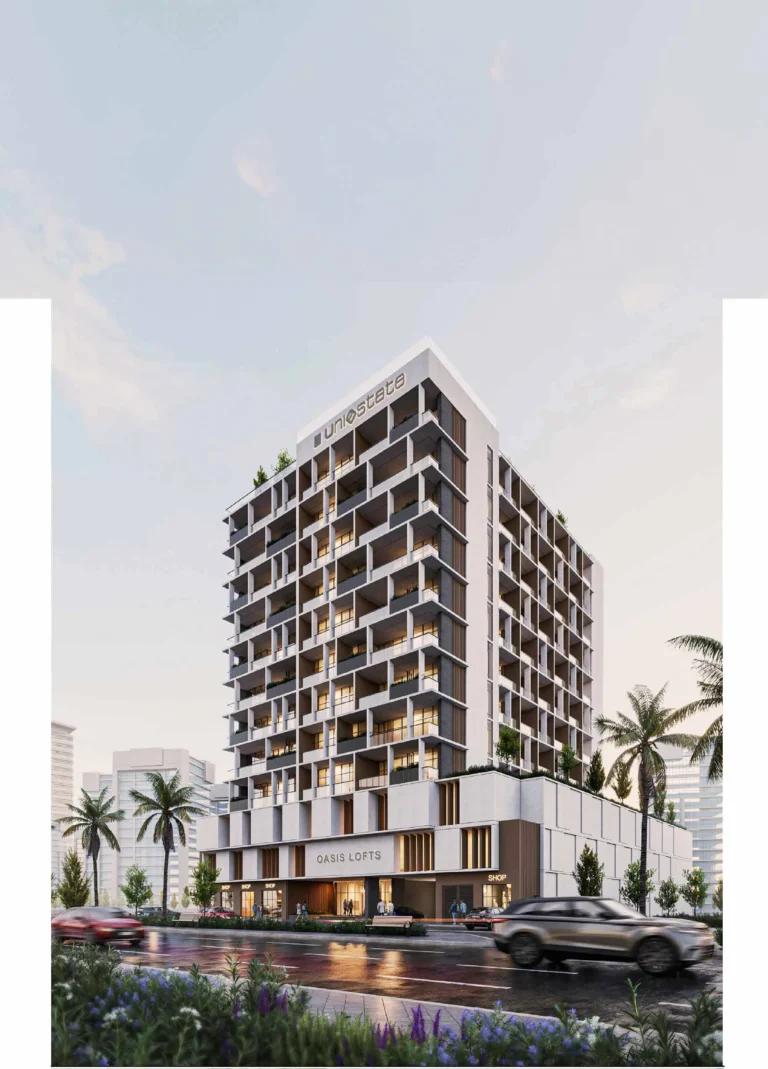 Oasis Lofts Dubai Silicon Oasis · Studio, 1–2 BR
from AED 645,000
-
 Azizi Venice 7 Azizi Venice · Studio, 1–2 BR
from AED 650,000
27 more in the PDF: prices, handover dates, payment plans
The PDF opens instantly. Refreshed monthly from DLD data.
Title deed and ownership after handover
There is no confirmed single rule that a title deed is always issued at handover under a post-handover plan. Equally, it should not be assumed that a title deed can never be issued until the final instalment is paid.
Published descriptions of post-handover structures differ. Some describe title deed issuance with a restriction or security interest in favour of the developer; others describe title deed issuance only after full payment. This point is not confirmed as a uniform DLD process. Confirm the intended structure with the DLD trustee centre and check the SPA before relying on either description.
For the buyer, this distinction can affect the documents available for a future transaction and the approvals that may be needed. It can also affect how a proposed mortgage or resale is assessed. The useful starting point is to establish exactly what has been registered, what remains contractual, and which conditions must be met before the registration can change.
| Question | What can be confirmed | What must be checked in the SPA and with DLD |
|---|---|---|
| Record during construction | The buyer’s right for an under-construction unit is recorded in the Interim Real Property Register, known as Oqood. | The specific registration details and conditions for moving to the permanent register. |
| Title deed at handover | No uniform post-handover structure is confirmed. | Whether a deed will be issued, when it will be issued, and whether any restriction applies. |
| Resale before final payment | A developer NOC is required for resale. | Eligibility conditions, outstanding payments, transfer process and applicable charges. |
| Mortgage | Sources describe the position differently for post-handover plans. | Whether the unit and payment structure can be accepted for the proposed financing arrangement. |
| Missed instalments | Law 13 of 2008 provides a developer remedy framework where a buyer defaults. | The contractual notices, deadlines and facts relevant to the individual case. |
Reselling before the final instalment
A resale before full payment is not something to assume is freely available or automatically prohibited. The transfer must be considered under the developer’s conditions and the SPA. DLD materials describe resale as possible after obtaining a no-objection certificate, or NOC, from the developer.
No single statutory payment percentage is confirmed as a condition for an NOC. Published market descriptions sometimes refer to payment thresholds, but these are not a universal legal rule. Do not use a quoted percentage as a decision point without written confirmation for the relevant unit.
The NOC should therefore be treated as a central part of the resale process, not merely an administrative formality. It is the point at which the developer’s transfer requirements become clear for that transaction.
A practical resale checklist
- Read the SPA payment schedule and identify the exact unpaid balance and all dates that have passed or are approaching.
- Check the agreement for clauses on assignment, resale, transfer restrictions, default and developer consent.
- Ask the developer which documents are required for an NOC and whether there are conditions that must be completed before it can be issued.
- Confirm the unit’s current registration status and the steps required for the buyer’s interest to be transferred.
- Ensure the proposed buyer understands the remaining contractual payments and the registration structure before documents are signed.
- Obtain current confirmation from the DLD trustee centre on the registration process that applies to the transaction.
This checklist does not replace the transaction documents. It helps separate the commercial questions, such as the remaining payment obligation, from the registration questions, such as what can be transferred and with which approvals.
Mortgage questions require case-by-case confirmation
There is a mechanism for registering a mortgage over an under-construction unit in the Interim Real Property Register. However, that does not answer whether a buyer using a post-handover plan can obtain a mortgage after handover while instalments remain unpaid.
Published descriptions of this issue conflict. Some state that a mortgage cannot be used while a post-handover plan remains outstanding, but this is not confirmed as a general rule. The availability of a mortgage should therefore be treated as unverified until the proposed arrangement, the property record and the SPA have been checked for the specific transaction.
A buyer should avoid building a purchase or resale decision on an assumed financing outcome. Instead, clarify whether the intended mortgage would require full settlement of the developer balance, a change to the payment plan, a particular registration status, or another approval. The DLD page and calculator should be checked for current registration information and fees where relevant.
What happens if instalments are missed
Missed payments can have serious contractual and statutory consequences. Law 13 of 2008 provides a framework under which a developer may terminate in response to buyer default, subject to the applicable procedure. The framework includes potential retention of up to 40% of the unit value where construction is 60% or more complete, or up to 25% where construction is below 60% complete.
The applicable outcome is not determined by the payment schedule alone. The construction status, contractual notices and statutory procedure matter. Since 2017 (and in its current form since Law No. 19 of 2020), the amended framework allows termination without a court judgment through the relevant DLD procedure in the circumstances addressed by the law.
These figures should not be read as an automatic result in every delayed-payment case. They are statutory limits within a framework, not a substitute for reviewing the SPA, the notices received and the registration position. A buyer who may miss a payment should first identify the due date, the notice provisions and the available contractual options, then obtain appropriate professional advice before signing a settlement, cancellation or transfer document.
For a focused overview of the sale issue, see selling when developer payments were missed.
Documents and questions to prepare
A well-prepared buyer or owner should keep the signed SPA, all payment schedule updates, handover correspondence, Oqood or other registration details, and written communications about transfer approval. The purpose is to confirm facts rather than rely on assumptions about the plan.
- What amount remains unpaid, and on which dates is it due?
- Does the SPA expressly permit assignment or resale before full payment?
- What NOC conditions has the developer confirmed in writing?
- What is the current registration status of the unit?
- Does the agreement state when a title deed is expected and under what conditions?
- Does a proposed mortgage depend on settlement of the outstanding developer balance?
- Have any default notices or other formal communications been issued?
Written answers are particularly useful where the plan was presented in broad terms at the time of purchase. They help the parties identify whether the issue is a payment obligation, a transfer restriction, a registration question or a combination of all three.
Frequently asked questions
Do I automatically receive a title deed when the property is handed over?
No uniform post-handover rule is confirmed. Published descriptions differ on whether a title deed may be issued with a restriction or only after full payment. Check the SPA and confirm the intended registration process with the DLD trustee centre.
Can I sell a post-handover property before all instalments are paid?
A resale may be possible after obtaining a developer NOC, but it depends on the developer’s conditions and the SPA. There is no confirmed universal payment percentage that guarantees eligibility for an NOC.
Is a mortgage available for a property on a post-handover plan?
This cannot be stated as a general fact. Published descriptions conflict on whether a mortgage can be arranged while developer instalments remain outstanding. Confirm the position for the particular unit, SPA and proposed financing structure.
What is Oqood?
Oqood is the commonly used name for Dubai’s Interim Real Property Register. For an under-construction unit, it records the buyer’s right under the relevant transaction rather than serving as a title deed in the permanent register.
What can happen if I miss an instalment?
Law 13 of 2008 provides a developer termination framework for buyer default. Depending on the construction status and applicable procedure, retention may be up to 40% or up to 25% of the unit value. The actual position depends on the SPA, notices and the facts of the case.
What next
Compare the payment schedule with your SPA before making a resale or financing decision. For a broader explanation of plan structures, read Dubai payment plans.
This article is general information for property owners and buyers, not legal advice.
PDF shortlist · updated 1 November 2026
Handover in 2026–2027
30 projects · prices from DLD and developers
30 more in the PDF: prices, handover dates, payment plans
The PDF opens instantly. Refreshed monthly from DLD data.
Related articles
 Golden Visa through property in 2026: off-plan with an Oqood, mortgaged units, co-owners and what happens when you sell
 The 20/80 payment plan in Dubai: how it works, who offers it and what to check
 Dubai mortgage for non-residents: how much banks lend, documents and process
 Buying an apartment in Dubai on a payment plan: how developer installments work