
Renovating a Dubai property for rent is not only a design decision. It is an operating decision that begins before purchase or before the first contractor quotation. The expected tenant profile, building rules, condition of the apartment or villa, furnishing level, approval route and future exit strategy all affect the appropriate scope of work.
For a long-term rental, the priority is often a durable, easily maintained home that fits the expectations of the building and its target tenant. For a holiday home, the property must also work as a furnished short-stay product, with a complete operational setup. A holiday home requires a DET licence; the applicable requirements should be confirmed for the specific property and operating model.
This guide outlines indicative renovation budgets and timelines in Dubai, explains how to assess potential payback using property evidence, and identifies improvements that can support a stronger rental position or resale presentation. Figures below are based on open market data and are guidance only: the final scope depends on the project, building and community.
1. Start with the rental strategy before approving the design
The same property can require different renovation decisions depending on whether it will be offered for long-term rent, used as a holiday home or prepared for sale after refurbishment. The objective is not to spend the maximum possible budget, but to define a scope that matches the property’s position in its building and local market.
Long-term rental
Long-term tenants commonly assess layout, storage, kitchen and bathroom condition, appliance provision, lighting, cooling comfort and the practical quality of finishes. Materials should be selected with cleaning, repair and replacement in mind. A highly individual design may not add proportionate value if it does not match the expectations of prospective tenants in that building.
Holiday home
A holiday home generally needs a more complete furnishing and equipment plan. In addition to fit-out work, the owner should consider furniture, kitchen equipment, linens, lighting, storage, access arrangements and maintenance processes. The product needs to be functional from the first guest stay, rather than only visually complete for marketing photographs.
Renovation for resale
If the likely exit is a sale, focus on changes that make the property easier to understand and compare: a coherent plan, repaired finishes, working services, complete bathrooms and kitchen, and an appropriate level of furnishing or staging. The value effect depends on buyer demand, building position, competing listings and execution quality. It should not be assumed in advance.
PDF shortlist · updated 1 November 2026
New Dubai projects of November 2026
30 projects · prices from DLD and developers
-
 Rise By Athlon 1 Wadi Al Safa 5 · 1–3 BR
from AED 1,412,000
-
 Zuha Island Villas World Islands
from AED 68,000,000
-
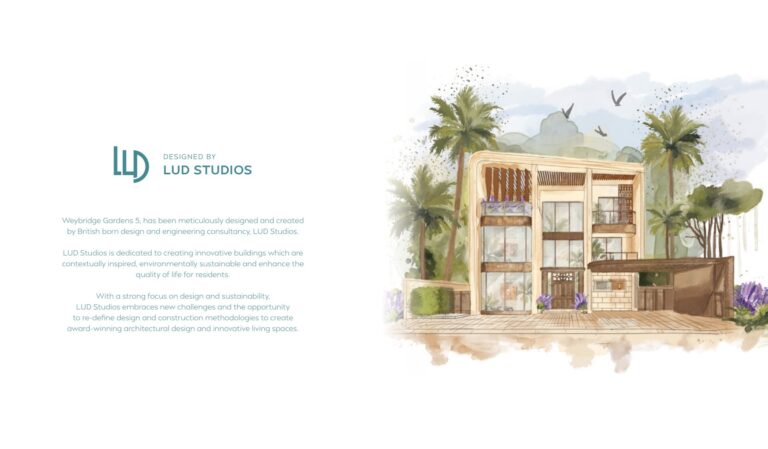 Weybridge Gardens Phase 5 by Leos Developments Dubailand Oasis
from AED 756,782
27 more in the PDF: prices, handover dates, payment plans
The PDF opens instantly. Refreshed monthly from DLD data.
2. Build the budget by scope, not by a single headline figure
A reliable budget separates construction work from the costs that are often omitted from early estimates. These may include design, approvals, building deposits, demolition, repairs discovered after opening walls or ceilings, custom joinery, appliances, furniture, delivery, installation, professional cleaning and snagging.
Based on open market data, indicative fit-out costs range from AED 240–400 per square foot for a basic level, AED 400–700 per square foot for a mid-level scope, and AED 700–1,400+ per square foot for premium work. These categories represent different products and specifications; they should not be treated as interchangeable quotes.
For design services, open market data indicates a broad range of AED 175–550 per square foot for full-service interior design, or approximately 10–20% of the works budget. The design scope, drawings, procurement support and site involvement should be defined before comparing proposals.
A contingency is particularly important in an occupied building or an older property, where concealed conditions may emerge after demolition. Open market guidance indicates a change-order reserve of 5–30%; allocating at least 10–15% is a practical planning approach.
| Scenario | Indicative work budget | Indicative on-site timeline | Planning focus |
|---|---|---|---|
| 1BR apartment, cosmetic refresh | AED 25,000–60,000 | Apartment works typically 6–16 weeks | Paint, repairs, selected finishes, practical presentation |
| 1BR apartment, mid-level renovation | AED 100,000–200,000 | Apartment works typically 6–16 weeks | Kitchen, bathrooms, lighting, storage and durable finishes |
| 1BR apartment, luxury scope | AED 350,000–600,000+ | Apartment works typically 6–16 weeks, subject to procurement | Higher-specification fit-out, detailed joinery and furnishing |
| 3BR villa renovation | AED 250,000–400,000 | Villa works typically 12–20+ weeks | Scope definition, approvals, services and exterior interfaces |
| 4BR villa renovation | AED 600,000–850,000 | Villa works typically 12–20+ weeks | Coordinated design, construction and procurement programme |
These are open-market indicators, not quotations. The budget can change materially with the property condition, building restrictions, technical requirements, finish selection and furniture specification.
3. Plan the timeline around approvals, procurement and snagging
Construction time is only one part of the programme. A rental launch can be delayed by building access rules, NOC requirements, approvals, contractor appointment, material lead times or incomplete furniture installation. A programme should identify these dependencies before work starts.
A typical sequence is: briefing and site inspection in around one week; concept development in three to four weeks; design development and drawings in four to eight weeks; approvals in two to eight weeks; fit-out in six to twenty weeks; and handover, snagging and furnishing in two to four weeks. These are indicative timeframes, not guaranteed deadlines.
For an apartment, the building NOC is usually the first practical gate. The landlord, developer or management company may require fit-out documentation, a refundable deposit and compliance with a fit-out manual. Based on open market data, building NOC fees are typically AED 1,000–5,000, with a refundable deposit of AED 5,000–15,000; one to three weeks is an indication.
Government and utility requirements depend on the work scope and location. Dubai Municipality, DDA, Trakhees, Civil Defence, DEWA and master-developer processes may be relevant. A Dubai-licensed consultant or contractor handles the applicable submissions and approvals. Requirements differ between buildings and communities, so confirm them for the specific asset.
4. Assess payback with property-specific evidence
Payback should be assessed as a range of possible outcomes, not as a promised result. Start with the total capital committed to the property: purchase price, transaction costs, renovation, furnishings, approvals, deposits, financing where applicable, holding costs and a contingency reserve.
Then compare the likely rental position before and after the planned works. DLD and datadubai area and building data can help frame the location and building review. This information should be considered together with the unit’s layout, floor, view, condition, parking, amenities, competing stock and current market evidence.
For a long-term rental, model the expected annual rent alongside vacancy, leasing costs, maintenance, service charges, utilities where paid by the owner, replacement of worn items and management. For a holiday home, include furniture and equipment, licence-related operating requirements, cleaning, guest turnover, utilities, maintenance, management and periods without bookings.
A useful approach is to prepare three cases: a conservative case with lower rent and higher vacancy or operating costs; a base case; and a higher-cost or delayed-completion case. If the project only works in the most optimistic case, the scope or acquisition price may need reconsideration.
5. Improvements that can support rental positioning
Renovation can improve the marketability of a property when it solves visible and practical weaknesses. The most useful improvements are often not the most decorative ones. Their impact on rent depends on the particular building, community and competing supply.
- Repairing worn finishes, doors, cabinetry, sanitaryware and visible defects.
- Improving kitchen usability, appliance integration and worktop condition.
- Updating bathrooms where waterproofing, fittings or storage are inadequate.
- Creating practical storage for daily living, cleaning equipment and luggage.
- Using a coherent lighting plan for living, dining, work and bedroom areas.
- Selecting durable, replaceable finishes suitable for regular use.
- Providing complete furniture and equipment where the strategy requires a furnished home.
- Reviewing cooling performance, electrical capacity and maintenance access before cosmetic work is finalised.
In a holiday home, clarity and consistency matter: guests need intuitive storage, sufficient seating, comfortable sleeping arrangements and a functioning kitchen. In a long-term rental, tenants may place more weight on durability, practical space and the condition of core services.
6. Control project risk during execution
The contract and scope documentation should identify what is included, what is excluded, who supplies each item, how substitutions are handled, and how variations are approved. Retention and payment schedules are determined by the contract. For structural defects, UAE civil code rules provide for joint ten-year liability of the contractor and architect or engineer from handover; this cannot be waived by contract.
Before work begins, document the existing condition, building access arrangements, lift protection, working hours, waste removal rules and insurance requirements. Confirm whether changes affect partitions, services, fire-safety systems, façades, windows or other common elements. Work outside the approved scope can affect deposits and require further approvals.
Furniture procurement also needs a separate schedule. Custom furniture is typically indicated at eight to sixteen weeks, so it should be specified early if the rental launch depends on it. A final snagging period is needed to test appliances, lighting, plumbing, locks, joinery and the completeness of the inventory.
How we help
Continental Club Property LLC is a Dubai real estate agency with RERA ORN 31933 and an office on Sheikh Zayed Road. Our team supports property purchase, renovation for rent or sale, and resale planning. We use available DLD and datadubai information for area and building review, help define the investment brief, and coordinate the selection of suitable delivery specialists for the project.
For design and renovation planning, we can arrange a structured project route that covers the brief, scope, design, approvals coordination and fit-out process. Design work can involve Vitaly Zlobin, an architect and interior designer whose services include site and programme analysis, concept and schematic design, interior, landscape and lighting design, optional working documentation, FF&E and author supervision. Learn more through Interior design, villa design and renovation in Dubai.
FAQ
Is long-term rental or a holiday home better after renovation?
The answer depends on the building, location, operating costs, furnishing requirements and the owner’s preferred level of involvement. A holiday home requires a DET licence, while long-term rental usually has a different operating model and tenant profile. Compare both options using property-specific rental evidence and a full cost model.
How much does it cost to renovate a rental apartment in Dubai?
Based on open market data, indicative costs for a 1BR apartment range from AED 25,000–60,000 for a cosmetic renovation, AED 100,000–200,000 for a mid-level renovation, and AED 350,000–600,000+ for a luxury scope. The final budget depends on the building, condition, area, specifications and approvals.
How long does a rental renovation take in Dubai?
Apartment work on site typically takes around 6–16 weeks as an indication. The overall programme can be longer because it may include design, building NOC, contractor mobilisation, procurement, custom furniture and final snagging. Allow additional time where approvals or made-to-order items are required.
Do I need approval to renovate an apartment in Dubai?
Typically, yes. The process usually begins with the landlord, developer or building management NOC, fit-out rules and any required deposit. Further approvals depend on the scope and jurisdiction. Approvals are handled by a Dubai-licensed consultant or contractor; confirm the requirements for the specific building.
How can I assess renovation payback before buying or starting work?
Build a property-specific model: purchase price, transaction and holding costs, renovation budget, furniture and equipment, approval costs, operating expenses, vacancy assumptions and expected rent. Use DLD and datadubai area and building data as part of the location review, then test conservative, base and higher-cost scenarios. Do not treat projected rent as guaranteed.
Which improvements can support a higher rental position?
Practical layouts, reliable kitchens and bathrooms, adequate storage, durable finishes, functional lighting, cooling performance, complete furniture and clear maintenance standards can improve a property’s marketability. Their effect on rent depends on the building, community, competing stock and the quality of execution.
PDF shortlist · updated 1 November 2026
New Dubai projects of November 2026
30 projects · prices from DLD and developers
30 more in the PDF: prices, handover dates, payment plans
The PDF opens instantly. Refreshed monthly from DLD data.