
Building a new villa in Dubai is a property decision that combines land acquisition, design management, approvals, construction control and final handover. For an owner, buyer or investor, the process starts before the purchase contract: a plot may have different ownership conditions, community rules, setback requirements and approval procedures that directly affect the future house.
A new-build villa can be planned for personal use, long-term holding, resale or rental positioning. The eventual value of the property depends not only on location and built-up area, but also on a coherent layout, quality of construction, maintenance considerations and documentation at handover. The sequence below describes the typical route from plot review to snagging, with timelines and costs presented as market guidance rather than fixed commitments.
1. Start with the plot, ownership and development potential
Foreign buyers can build on land in areas where foreign ownership and the intended development are permitted. Before purchasing a plot, confirm the ownership status, plot boundaries, permitted use, buildable area and the relevant master-developer requirements. These points vary by plot and community and should be checked for the specific property.
The first review should also consider how the future villa will work in practice. This includes access, orientation, privacy from neighbouring plots, views, parking, outdoor living areas and the relationship between indoor spaces and the Dubai climate. Land conditions may influence the location of service areas, pools, terraces, shading and landscaping.
For an investment-oriented purchase, the plot review should be connected to the likely future buyer or tenant profile. A villa designed for owner occupation may prioritise highly individual planning choices, while a property intended for resale or rental may require a more broadly usable bedroom layout, service spaces and durable materials. Market data by area and building can help frame a purchase and renovation or development strategy, but the appropriate positioning depends on the specific community and property.
PDF shortlist · updated 1 November 2026
New Dubai projects of November 2026
30 projects · prices from DLD and developers
-
 Rise By Athlon 1 Wadi Al Safa 5 · 1–3 BR
from AED 1,412,000
-
 Zuha Island Villas World Islands
from AED 68,000,000
-
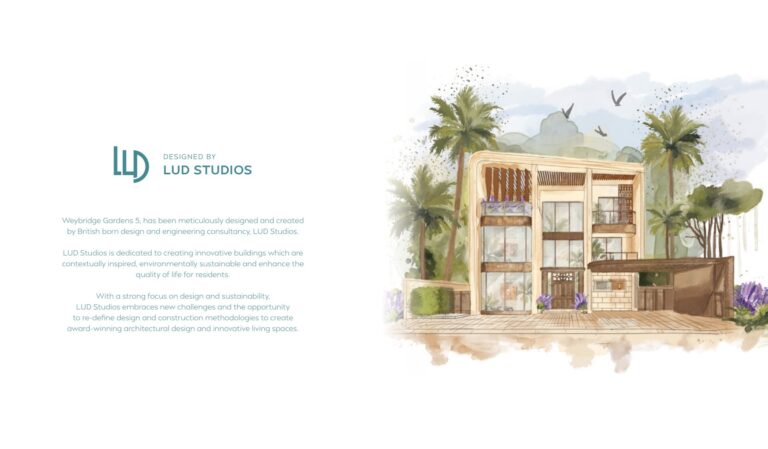 Weybridge Gardens Phase 5 by Leos Developments Dubailand Oasis
from AED 756,782
27 more in the PDF: prices, handover dates, payment plans
The PDF opens instantly. Refreshed monthly from DLD data.
2. Define the brief and appoint the project team
Once the plot has been selected, the owner prepares a clear brief. It usually covers the required number of bedrooms, family and guest areas, staff accommodation, parking, pool, landscape, home office, entertainment areas, storage and budget priorities. The brief should also state whether the project is intended for personal use, rental, sale or a combination of these goals.
The design process can begin with a site analysis and programme, followed by a preliminary concept and schematic design. Vitaly Zlobin is an architect and interior designer whose work includes site analysis, preliminary concepts, architectural and interior design, landscape and lighting design, with working documentation, FF&E and author supervision available as optional services. His approach starts from the site and considers climate, light and materials as part of the design process.
For interiors, two to three revision rounds are typically used. As an ориентир, a preliminary design stage may take around 1–1.5 months for homes up to 400 square metres and 2–3 months for larger houses. The final schedule depends on the complexity of the villa, the number of decisions required from the owner and the scope of technical documentation.
3. Design development, engineering and procurement planning
After the concept is approved, the project moves into detailed development. This is where the appearance of the villa is translated into plans, elevations, material selections, lighting intent, furniture layouts and technical coordination. The construction package may include architectural drawings, structural design, MEP engineering and specifications, depending on the agreed scope.
Design decisions made at this stage affect both construction cost and future operating conditions. Examples include façade materials, glazing, shading, waterproofing details, air-conditioning requirements, kitchen equipment, bathroom systems, lighting controls and landscape irrigation. Changes introduced after construction begins can create additional cost and delay, so owners normally benefit from resolving major decisions before contractor appointment.
Custom furniture and selected finishes should be planned early. As a market ориентир, made-to-order furniture may require 8–16 weeks. Procurement sequencing is particularly important where a project uses custom joinery, imported materials or coordinated lighting and furniture packages.
4. Permits, NOCs and authority approvals
Engineering consulting, including architectural submissions, is regulated in Dubai. Drawings are submitted and the professional responsibility is carried by a consultancy office registered with Dubai Municipality, while contractors also go through registration requirements. Approvals are handled by a Dubai-licensed consultant or contractor rather than by the owner directly.
For plots in the main Dubai Municipality territory, a building permit is generally processed through the Dubai Building Permit System. Although the permit issuance itself may take days once the file is complete, the overall approvals period typically takes weeks because it can include master-developer NOCs, DEWA requirements and Civil Defence requirements.
Different areas may follow different approval routes. Some communities require master-developer NOCs through a portal or community office, and the applicable rules can include design controls, contractor requirements and deposits. DEWA NOCs for load and meter matters are submitted by registered consultants or contractors. Civil Defence requirements address fire and life-safety matters and may form part of the approval and completion process.
Do not assume that villa concessions intended for UAE citizens apply to foreign owners. Certain self-build, instant-permit and extension measures are limited to UAE citizens. A foreign owner should confirm the applicable process for the particular plot, development and scope of works. A permit cannot be guaranteed; confirm requirements for the specific property.
| Project stage | Typical duration | Key output |
|---|---|---|
| Brief and site review | About 1 week | Programme, plot review and initial priorities |
| Concept design | About 3–4 weeks | Planning concept and design direction |
| Design development and drawings | About 4–8 weeks | Coordinated design and technical documentation |
| Approvals | About 2–8 weeks | NOCs and authority submissions, depending on the project |
| Construction | About 8–14 months for a new villa | Built villa, systems and external works |
| Snagging and handover | About 1–2 months | Defect review, completion documents and handover |
| Total new-villa programme | About 12–24 months | From design through final handover |
All periods in the table are ориентиры. Actual timing depends on the plot, community, design scope, authority comments, contractor capacity, procurement and changes requested during the project.
5. Architect’s fees, construction budget and contingency
Architectural fees are commonly structured as a percentage of construction cost or as a defined fee for agreed stages. According to open market data, as an ориентир, an architect’s fee for a villa may be around 4–7% of construction cost. Where structural and MEP engineering are included, the range may be around 6–12%. Engineering can also be charged separately at approximately 3–5%.
Fees quoted per square foot are more commonly associated with full interior design and fit-out scopes than with a complete villa architectural service. According to open market data, full-service interior design may range from approximately AED 175–550 per square foot, or around 10–20% of the works budget. The scope behind any rate should be defined carefully: concept only, detailed drawings, engineering coordination, material selection, furniture procurement and site supervision are different services.
For new villa construction, open market data indicates the following broad ориентиры: approximately AED 350–450 per square foot for standard construction, AED 450–600 per square foot for mid-range construction and AED 600–800+ per square foot for premium construction. These are not interchangeable products, and the actual budget depends on the villa’s design, structural complexity, MEP systems, finishes, landscape, pool and procurement choices.
A contingency for change orders is important. A range of approximately 5–30% may be encountered depending on project conditions; a reserve of at least 10–15% is commonly planned. The reserve is not a substitute for detailed documentation, but it provides a financial buffer for changes, site findings and owner decisions during delivery.
6. Construction management, payments and quality control
Once approvals are in place and a contractor is appointed, construction can begin. The owner should use a written agreement that defines scope, drawing hierarchy, materials, programme, payment stages, variation procedure, responsibility for approvals, testing, handover documents and defect obligations. Retention and the payment schedule are determined by the contract.
Payments are usually linked to project milestones rather than made as an unrestricted advance. The milestone structure should correspond to visible work and agreed deliverables, such as mobilisation, structural progress, MEP milestones, finishes, installation and final completion. Any change to scope should be priced and documented before it is carried out where possible.
Site supervision and regular reporting help the owner track progress against drawings, material approvals and the agreed programme. Inspection is especially important before concealed work is closed, including waterproofing, structural elements, MEP routes and insulation. This can reduce later rework and help preserve the quality expected at resale or rental marketing stage.
7. Snagging, handover and long-term responsibility
Snagging is the final review of defects, incomplete work and mismatches between the approved scope and completed villa. It may include finishes, doors, joinery, sanitary ware, lighting, HVAC operation, electrical systems, landscaping and external areas. The contractor addresses the agreed snag list before final handover, subject to the contract and completion requirements.
The handover file should include relevant approvals, completion documents, warranties, equipment manuals, testing records and as-built information where applicable. These documents are useful for ownership, future maintenance, resale due diligence and any rental preparation.
Under the UAE Civil Code, the contractor and the architect or engineer can be jointly liable for structural defects for 10 years from handover. This responsibility cannot be waived by contract. The precise application depends on the project and the parties’ roles, so confirm the contractual and technical arrangements for the particular villa.
How we help
Continental Club Property LLC supports buyers and owners in Dubai with property selection, purchase support, renovation for rental or resale, and sale strategy. The team uses DLD data for areas and buildings and can help connect the development decision with the property’s intended market position, whether the objective is personal use, rental preparation or future sale.
For design, villa planning and renovation coordination, we help organise the required specialists and project scope through our Interior design, villa design and renovation in Dubai service. This can include defining the brief, selecting the appropriate delivery format and coordinating design with the approval and fit-out process through Dubai-licensed consultants or contractors.
FAQ
Can a foreign buyer build a villa in Dubai?
Foreign buyers can build on plots in areas where foreign ownership and the intended development are permitted. The ownership status, community rules, plot conditions and buildable area should be checked for the specific plot before purchase.
How long does it take to build a new villa in Dubai?
A typical overall timeline is 12–24 months as an ориентир. It may include 3–4 months for design, 2–3 months for approvals, 8–14 months for construction and 1–2 months for snagging. The actual schedule depends on the plot, community, project scope, approvals and procurement.
What is the typical architect’s fee for a villa in Dubai?
As a market ориентир, an architect’s fee for a villa may be around 4–7% of construction cost. Where structural and MEP engineering are included, the range may be 6–12%. Engineering may also be priced separately at around 3–5%.
Who submits villa permits in Dubai?
Permit applications are typically submitted by a Dubai-licensed consultant or contractor, not by the owner. The route may involve Dubai Municipality or another relevant authority, as well as master-developer, DEWA and Civil Defence requirements where applicable.
Do UAE citizen villa permit concessions apply to foreign owners?
No. Certain villa concessions and instant-permit routes are intended for UAE citizens and should not be assumed to apply to foreign owners. Requirements should be confirmed for the specific plot and community.
Is there a 10-year liability period for villa construction in Dubai?
Under the UAE Civil Code, the contractor and the architect or engineer can be jointly liable for structural defects for 10 years from handover. This responsibility cannot be excluded by contract.
PDF shortlist · updated 1 November 2026
New Dubai projects of November 2026
30 projects · prices from DLD and developers
30 more in the PDF: prices, handover dates, payment plans
The PDF opens instantly. Refreshed monthly from DLD data.