
Renovating a Dubai property involves more than selecting finishes, appointing a contractor and setting a construction budget. Before work begins, an owner usually needs to establish which authority governs the property, whether the master developer or building management requires a no-objection certificate (NOC), and whether utility or fire-safety approvals apply.
For buyers, investors and owners preparing a property for rental, resale or personal use, this process should be reviewed during due diligence. A planned renovation can support the positioning of an apartment or villa, but the scope, programme and costs need to reflect the rules of the building and community. Approval is not automatic, and a permit cannot be guaranteed.
The route may involve Dubai Municipality (DM), Dubai Development Authority (DDA), Trakhees, a master developer, DEWA and Civil Defence. Their roles overlap in practice: community consent is often required before a government or zone authority application can proceed.
Why renovation permits and NOCs matter in Dubai
An NOC is usually the property-level or community-level consent to carry out works. It may be issued by a master developer, landlord, owners’ association, building management or community management team. A permit is the technical approval issued through the authority responsible for the relevant area or type of work.
For an apartment, building management commonly checks access arrangements, contractor documentation, working hours, protection of common areas, waste removal and the building fit-out manual. For a villa, the review may extend to external changes, plot conditions, structural work, utilities, landscaping and the master developer’s design requirements.
Starting work without confirming the correct route can affect the construction schedule and may put a refundable building or community deposit at risk. Where changes have not been approved, an owner may need to pause, document or resubmit the scope before proceeding. Requirements differ by building and community, so confirm them for the specific property.
PDF shortlist · updated 1 November 2026
New Dubai projects of November 2026
30 projects · prices from DLD and developers
-
 Rise By Athlon 1 Wadi Al Safa 5 · 1–3 BR
from AED 1,412,000
-
 Zuha Island Villas World Islands
from AED 68,000,000
-
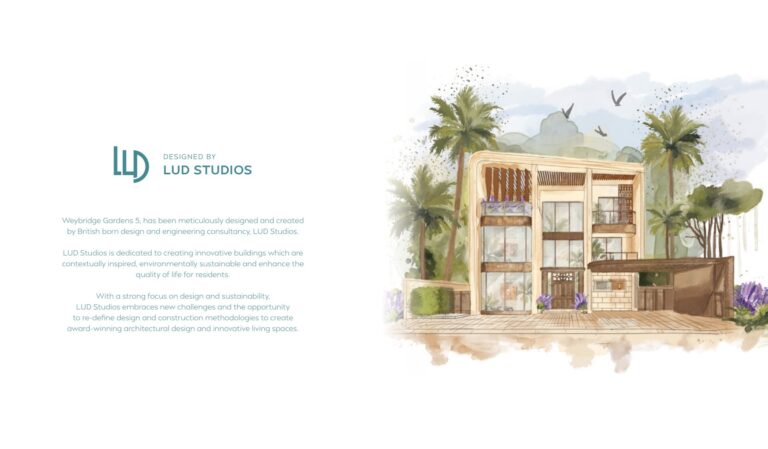 Weybridge Gardens Phase 5 by Leos Developments Dubailand Oasis
from AED 756,782
27 more in the PDF: prices, handover dates, payment plans
The PDF opens instantly. Refreshed monthly from DLD data.
Which authority covers your property?
The first question is geographical and administrative: where is the property located, and which authority or free-zone body regulates modifications there? The answer should be confirmed before design drawings are finalised, because the submission format and technical requirements may affect the design itself.
| Authority or party | Typical role | Who normally submits | Timing and cost orientation |
|---|---|---|---|
| Dubai Municipality | Building permits on the main Dubai Municipality territory through the Dubai Building Permit System. | A Dubai-licensed consultant or contractor. | The permit itself may be issued in days once the file is complete, but the full approval sequence is commonly weeks because NOCs, DEWA and Civil Defence may be involved. |
| Dubai Development Authority | Fit-out permits in relevant DDA areas; structural or GFA changes may require a Building Modification process. | The appointed contractor. | Depends on the scope, documents and building requirements. |
| Trakhees | Modification approvals in relevant PCFC areas, including Palm Jumeirah, Jebel Ali and certain free zones. | An approved contractor, with required consents. | Depends on the modification type and Civil Defence requirements. |
| Master developer or building management | Community or building NOC, fit-out rules, access control and deposits. | Owner, consultant or contractor, depending on the community procedure. | Apartment NOC: typically one to three weeks; AED 1,000–5,000 plus a refundable AED 5,000–15,000 deposit, according to open market data, as an orientation. |
| DEWA | NOCs related to electrical load, meters and relevant utility changes. | Registered consultant or contractor. | Depends on the technical scope. |
| Civil Defence | Fire-safety requirements; some fit-out projects require a Civil Defence completion certificate. | Consultant or contractor as required by the project. | For villa-related approvals, open market data indicates AED 2,000–12,000 and three to six weeks as an orientation; scope varies. |
These figures are planning orientations, not fixed tariffs or commitments. A single project may need only building management approval, while another may require several linked submissions.
Apartment renovation: start with the building NOC
For an apartment, the practical starting point is normally the landlord, master developer or building management team. Ask for the fit-out manual and confirm whether the building requires a specific contractor approval process, insurance documents, method statements, access bookings or a security deposit.
The usual sequence is building or community NOC first, then the relevant authority permissions if the scope requires them. DDA fit-out submissions, for example, typically require the building owner’s NOC, a contractor appointment letter, Ejari and drawings. If the work changes structure or gross floor area, a Building Modification route may apply instead of a standard fit-out process.
Apartment scopes vary significantly. Replacing finishes and furniture is different from modifying partitions, plumbing, electrical loads, ventilation or fire-safety elements. Do not assume that internal work is automatically exempt because it is inside a private unit. The building rules and technical impact determine the process.
Villa renovation: community controls and technical approvals
A villa renovation may involve more stakeholders because the work can affect the plot, façade, roof, external areas, utilities and structural elements. The master developer’s NOC is often an early milestone. Open market data suggests an orientation of AED 1,500–8,000 and two to four weeks for a villa master-developer process, although the quality of available data is limited and requirements vary by community.
DEWA and Civil Defence may become relevant where the project changes electrical demand, meters, fire-safety provisions or other regulated systems. For a larger villa alteration, the overall approval programme should allow for linked technical reviews rather than treating each approval as a separate administrative task.
Some permit simplifications and self-build arrangements for villas apply to UAE citizens. They should not be assumed to apply to foreign owners. A Dubai-licensed consultant or contractor should confirm the applicable route for the property, ownership situation and scope of works.
DEWA and Civil Defence: when technical scope changes
DEWA-related approvals are generally relevant when works affect electrical loads, connections or meters. Registered consultants or contractors submit the required NOC requests. Early coordination is important where a design adds high-load equipment, changes distribution arrangements or requires utility-related work.
Civil Defence requirements focus on fire safety. Depending on the area and the fit-out scope, approvals or a completion certificate may be needed. Layout changes, fire-rated elements, systems serving the property and evacuation-related conditions can all affect the review route.
It is useful to treat DEWA and Civil Defence as design inputs, not only final-stage paperwork. A contractor can price and programme work more reliably when the approved scope, services strategy and fire-safety requirements are aligned before site mobilisation.
What may be allowed without a separate permit in Trakhees areas?
In relevant Trakhees areas, including Palm Jumeirah, Jebel Ali and certain free zones, limited works may be allowed without a separate permit after a completion certificate has been issued. The permitted examples include wall finishes and painting, furniture, flooring, partitions up to 1.8 metres, and replacement of windows or doors within existing openings.
This does not mean that all interior works are unrestricted. Other modifications may require a Modification NOC. An approved contractor, landlord consent and compliance with Civil Defence requirements remain relevant. Structural changes, additions, changes beyond existing openings and other non-minor works should be checked before ordering materials or scheduling labour.
The distinction is important for acquisition planning. A buyer considering a light refresh may have a different approval path from an owner planning a full reconfiguration, external alteration or building-services upgrade.
Plan the approval route before committing to a renovation budget
Approval planning should sit alongside the purchase and renovation budget. According to open market data, as an orientation, a 1BR apartment renovation can range from AED 25,000–60,000 for cosmetic works, AED 100,000–200,000 for a mid-level renovation, and AED 350,000–600,000 or more for a luxury scope. The final budget depends on the property condition, building restrictions, materials, technical work and furniture.
For construction changes, owners should also keep a contingency for change orders. A reserve of at least 10–15% is commonly planned, while the potential range can be 5–30%, depending on the project. This is particularly relevant when existing conditions are unclear or when approvals require design changes.
Typical on-site timelines are six to sixteen weeks for an apartment and twelve to twenty or more weeks for a villa. Custom furniture may take eight to sixteen weeks. These are orientations, not commitments, and they should be coordinated with NOCs, permits, contractor availability and the building’s permitted working hours.
Under the UAE Civil Code, a contractor and architect or engineer have joint responsibility for structural defects for ten years from handover. This statutory responsibility cannot be excluded by contract. Payment milestones, retention and other commercial terms should still be defined clearly in the project agreement.
How renovation decisions connect to rental and resale strategy
A renovation can help an owner align a property with the expectations of its intended market segment, whether the objective is personal use, rental preparation or future resale. The practical question is not only how the property will look, but whether the scope is feasible under the building rules, approval route, budget and intended holding period.
For an investor, a review of comparable transactions and building-level conditions can help distinguish between a cosmetic upgrade and a more extensive fit-out. Renovation does not guarantee rental income, resale value growth or a particular sale price. The likely effect depends on the asset, location, unit condition, competing supply and market conditions at the time of leasing or sale.
How we help
Continental Club Property LLC supports buyers and owners with property selection, Dubai Land Department data for areas and buildings, renovation planning for rental or sale, and the sale process. The team can help identify the questions to clarify before purchase, including building requirements, likely renovation scope and the need for specialist approvals.
For design, villa design and renovation coordination, we can help arrange the appropriate project route and specialists through our Interior design, villa design and renovation in Dubai service. Permit submissions and technical approvals are handled by a Dubai-licensed consultant or contractor, subject to the requirements of the relevant authority, building and community.
FAQ
Who applies for a renovation permit in Dubai?
A Dubai-licensed consultant or contractor normally submits permit applications, rather than the owner. The required route depends on the property location, the building rules and the scope of work.
Do I need an NOC before renovating an apartment in Dubai?
In most cases, yes. An apartment renovation usually starts with an NOC from the landlord, master developer or building management, followed by the relevant authority approvals where required.
What work can be done without a separate permit in Trakhees areas?
After a completion certificate, limited works such as painting, wall finishes, furniture, flooring, partitions up to 1.8 metres, and replacement of windows or doors within existing openings may be allowed without a separate permit. The contractor, landlord consent and Civil Defence requirements still matter.
How long do Dubai renovation approvals take?
Timing depends on the building, community and scope. As an orientation, an apartment building NOC may take one to three weeks, while the full sequence of NOCs and authority approvals commonly takes weeks rather than days.
Are DEWA and Civil Defence approvals required for every renovation?
Not for every scope. They may be required when work affects electrical loads, meters, fire safety systems, layouts or fit-out conditions. The consultant or contractor should confirm requirements for the specific property.
Can a renovation permit in Dubai be guaranteed?
No. Approval depends on the submitted documents, building and community rules, technical requirements and the decisions of the relevant authorities. Confirm the route for the specific property before committing to works.
PDF shortlist · updated 1 November 2026
New Dubai projects of November 2026
30 projects · prices from DLD and developers
30 more in the PDF: prices, handover dates, payment plans
The PDF opens instantly. Refreshed monthly from DLD data.