
Renovating an apartment in a Dubai tower is a project with two parallel tracks: the design and construction work inside the unit, and the building approval process outside it. Even a relatively contained fit-out can affect lift operations, corridors, service routes, fire-safety requirements and neighbouring residents. For this reason, building management commonly requires documents, deposits and a defined working method before contractors enter the property.
For a buyer, investor or owner, these requirements should be reviewed before committing to a renovation budget or setting a leasing strategy. A well-scoped renovation can improve an apartment’s presentation for sale or rent, but the final result depends on the building’s rules, permitted scope, contractor coordination and the condition of the existing unit. Read more about the practical framework in renovating a flat: building rules.
Check renovation constraints before buying or planning
When evaluating an apartment for purchase, the visible condition of kitchens, bathrooms, flooring and wardrobes is only part of the picture. The building’s fit-out manual may define what can be changed, which materials are accepted, how contractors access the tower and whether additional approvals are needed for particular works.
Before finalising a scope, request the current building rules from the landlord, developer or management company. Ask whether the property is subject to a standard fit-out process, whether the building has designated contractors or technical requirements, and whether any previous alterations are documented. Requirements can differ between towers, communities and management companies, so they should be confirmed for the specific unit.
- Review the permitted working hours and any restrictions for weekends or public holidays.
- Confirm procedures for contractor registration, worker access and delivery access.
- Check lift booking rules and the required protection for common areas.
- Request the fit-out manual, forms and deposit schedule.
- Clarify whether the intended work affects plumbing, electrical load, ventilation or fire-safety systems.
- Confirm the process for inspection, completion and release of the refundable deposit.
These checks are relevant not only for extensive refurbishment. Replacing finishes, installing joinery or changing internal partitions may still trigger building procedures. A realistic acquisition budget should therefore include approvals, site logistics and a reserve for changes that arise after opening up the apartment.
PDF shortlist · updated 1 November 2026
New Dubai projects of November 2026
30 projects · prices from DLD and developers
-
 Rise By Athlon 1 Wadi Al Safa 5 · 1–3 BR
from AED 1,412,000
-
 Zuha Island Villas World Islands
from AED 68,000,000
-
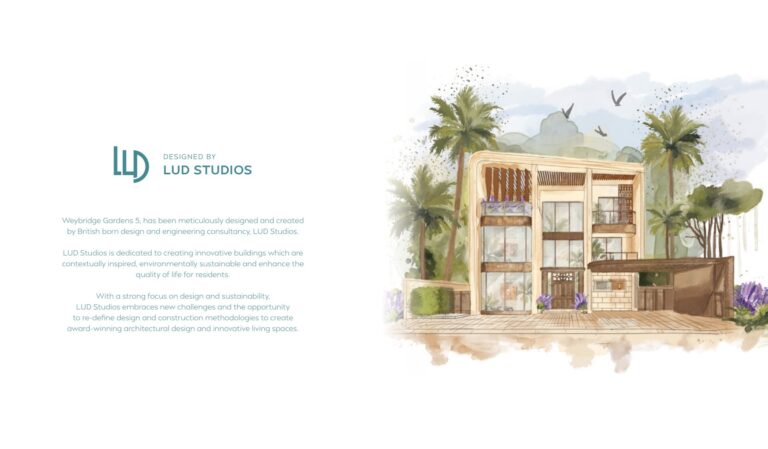 Weybridge Gardens Phase 5 by Leos Developments Dubailand Oasis
from AED 756,782
27 more in the PDF: prices, handover dates, payment plans
The PDF opens instantly. Refreshed monthly from DLD data.
The NOC and fit-out approval sequence
For an apartment, the usual starting point is an NOC from the landlord, developer or building management company. The building may require proof of ownership or tenancy documentation, proposed drawings, contractor details, a work schedule and payment of applicable fees or deposits. The fit-out manual normally sets out the submission sequence and conditions for access.
In Dubai Development Authority areas, a fit-out permit is submitted by the contractor. Typical documentation includes the building owner’s NOC, a contractor appointment letter, Ejari and drawings. Where work affects structural elements or gross floor area, a Building Modification process may be relevant instead. In other areas, the route can involve Dubai Municipality, master-developer and utility requirements. A licensed Dubai consultant or contractor carries out the relevant approval submissions.
Do not treat an NOC as a broad permission to make any change inside the unit. It usually authorises an identified scope subject to stated conditions. If the scope changes during construction, the owner and contractor should check whether an amendment or further approval is needed.
What a fit-out manual normally controls
A fit-out manual is the building’s operational rulebook for renovation works. It is intended to protect residents, common property and building systems while contractors work in occupied towers. The exact content varies, but it often governs site access, safety, permitted materials, waste removal, inspections and restoration obligations.
Working hours and resident access
Buildings commonly limit noisy works to specified daytime hours. Restrictions may apply to drilling, demolition, deliveries and movement of materials. Owners should build these limits into the programme rather than assuming that a contractor can work continuously until completion. Delays may occur if work starts before access passes, lift slots or management approval are in place.
Service lifts and common-area protection
Most towers require advance booking of a service lift for materials, furniture and debris removal. Contractors may be required to protect lift interiors, corridors, walls and floors before transport begins. Any damage to common areas can affect the release of a refundable deposit, so photographs of existing conditions and a documented handover process are useful.
Site conduct and waste
The manual may regulate worker identification, security procedures, storage locations, debris removal and cleaning. A tower is an operating residential environment, not an empty construction site. The contractor’s method statement should account for resident circulation, building security and the management company’s disposal procedure.
Deposits, contractor documents and insurance
Building management may charge an NOC fee and request a refundable fit-out deposit before work starts. Based on open market data, an apartment building NOC is typically around AED 1,000–5,000, with a refundable deposit typically around AED 5,000–15,000. These are market indications only: the applicable amounts, payment method and refund conditions depend on the individual building.
The deposit is commonly linked to compliance with building rules and the condition of common areas after completion. It may be retained in whole or in part if building property is damaged, waste is not removed, access rules are breached or close-out documents are incomplete. The owner should obtain written confirmation of the handover and ask what is needed for the refund.
Building management may also request contractor documentation, including insurance evidence, licences, staff records, safety documents or an appointment letter. Requirements differ by building and scope. The owner should avoid assuming that one contractor’s documents are accepted in every tower; check the current manual before appointing the team.
Structural, MEP and fire-safety limitations
Apartment renovation is not simply a matter of moving walls. Structural changes are generally restricted. Removing, cutting or altering a wall without confirming its function can create technical, legal and approval issues. The same caution applies to slabs, façades, balconies, shafts and shared building systems.
Changes to mechanical, electrical and plumbing systems can also require review. Moving a kitchen or bathroom, changing electrical loads, modifying ventilation or connecting new equipment may affect common risers, drainage, cooling or power capacity. DEWA NOCs for loads and meters are submitted by registered consultants or contractors where applicable.
Civil Defence requirements address fire safety. Depending on the location and scope, fit-out work may require compliance review and, in some areas, a Civil Defence completion certificate. Fire-rated elements, detectors, sprinklers, escape routes and other regulated systems should not be changed informally. Confirm the applicable process for the building before works begin.
Under the UAE Civil Code, the contractor and architect or engineer have joint responsibility for structural defects for ten years from handover. This responsibility cannot be waived by contract. The practical division of design, supervision, procurement and execution should nevertheless be clearly defined in the project agreements.
Budget and programme: planning realistic allowances
Costs vary substantially according to the apartment’s size, existing condition, level of specification, custom joinery, appliances, MEP changes and building access constraints. Based on open market data, a cosmetic renovation of a one-bedroom apartment may be around AED 25,000–60,000, a mid-level renovation around AED 100,000–200,000, and a high-specification renovation from around AED 350,000–600,000 or more. These are indicative market ranges rather than quotations.
Apartment works on site typically take around 6–16 weeks. This should be separated from the time needed to develop the design, obtain approvals, order materials and organise access. Custom furniture can take around 8–16 weeks. Include a contingency of no less than 10–15% for change orders, with the appropriate reserve depending on the condition and complexity of the project.
| Project item | Typical market indication | Planning note |
|---|---|---|
| Building NOC | AED 1,000–5,000 | Based on open market data; confirm with the specific building. |
| Refundable fit-out deposit | AED 5,000–15,000 | Release depends on handover conditions and the building’s process. |
| 1BR cosmetic renovation | AED 25,000–60,000 | Based on open market data, indicative only. |
| 1BR mid-level renovation | AED 100,000–200,000 | Scope, materials and MEP changes can alter the budget. |
| Apartment work on site | 6–16 weeks | Typical orientation; approvals and procurement are additional stages. |
| Custom furniture | 8–16 weeks | Coordinate dimensions, finishes and delivery access early. |
Renovation for rental, resale and day-to-day use
For an investor, the renovation scope should reflect the property’s position, building profile and intended tenant or buyer. A practical layout, durable finishes, adequate storage, working appliances and coherent lighting can make a unit easier to present. For an owner-occupier, the priorities may include comfort, maintenance and the way the apartment functions over time.
A renovation may support rental or resale positioning when it addresses the apartment’s actual weaknesses and is completed to a consistent standard. It does not guarantee a higher rental rate, sale price, faster transaction or investment return. Overcapitalising relative to the property and building can also reduce flexibility at resale.
Keep an organised project file with approved drawings, NOCs, invoices, warranties, manuals, completion records and photographs. This can help future buyers, tenants, property managers and maintenance teams understand what has been changed and who supplied key items.
How we help
Continental Club Property LLC supports buyers and owners with property selection, renovation planning for rental or sale, and coordination of the next steps after purchase. Our team uses DLD data for areas and buildings and can help assess how a unit’s condition, layout and renovation scope fit the intended ownership strategy.
We can assist with selecting suitable specialists and organising design and project work through our Interior design, villa design and renovation in Dubai service. For design work, we collaborate with Vitaly Zlobin, an architect and interior designer. Approval submissions and site approvals are handled by a licensed Dubai consultant or contractor as required for the specific project.
FAQ
Do I need an NOC to renovate an apartment in Dubai?
Usually, yes. The owner normally starts with an NOC from the landlord, developer or building management company. The exact process depends on the building, its fit-out manual and the scope of work.
How much is a building renovation deposit in Dubai?
Based on open market data, a building NOC may cost around AED 1,000–5,000 and the refundable deposit may be around AED 5,000–15,000. Amounts, refund conditions and required documents depend on the building.
Can I remove walls in a Dubai apartment?
Do not assume that a wall can be removed. Structural changes are generally restricted and may require a different approval route, technical documents and approvals from the relevant authorities. Confirm the wall type and approval requirements before starting work.
How long does an apartment renovation take in Dubai?
Work on site typically takes around 6–16 weeks, depending on the apartment, scope, building access rules, approvals, materials and custom furniture. NOC and approval stages should be included in the overall programme.
Does a Dubai apartment fit-out need Civil Defence approval?
Civil Defence requirements may apply to fit-out work, particularly where fire-safety systems, layouts or regulated elements are affected. In some areas, a Civil Defence completion certificate is required. Check the building manual and the applicable authority process.
Can renovation improve an apartment’s rental or resale position?
A renovation can make an apartment easier to present to tenants or buyers when the layout, finishes, condition and furnishing match the building and target market. It does not guarantee a rental rate, sale price or investment return.
PDF shortlist · updated 1 November 2026
New Dubai projects of November 2026
30 projects · prices from DLD and developers
30 more in the PDF: prices, handover dates, payment plans
The PDF opens instantly. Refreshed monthly from DLD data.