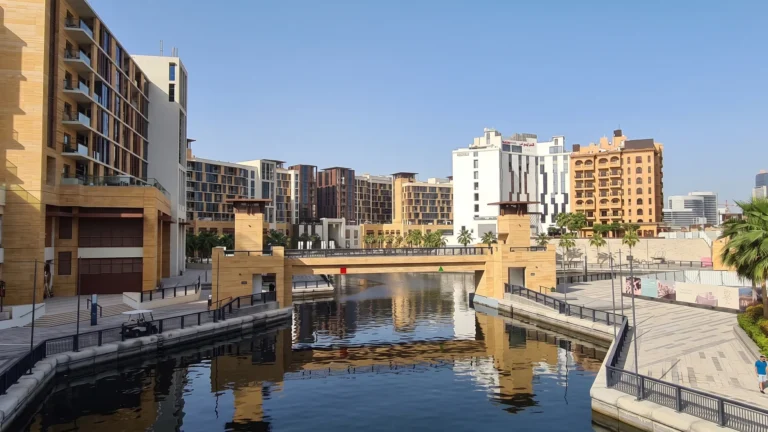
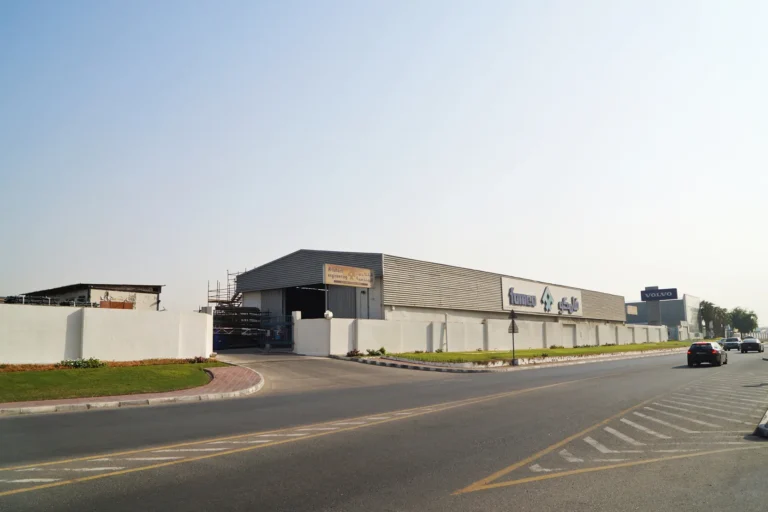
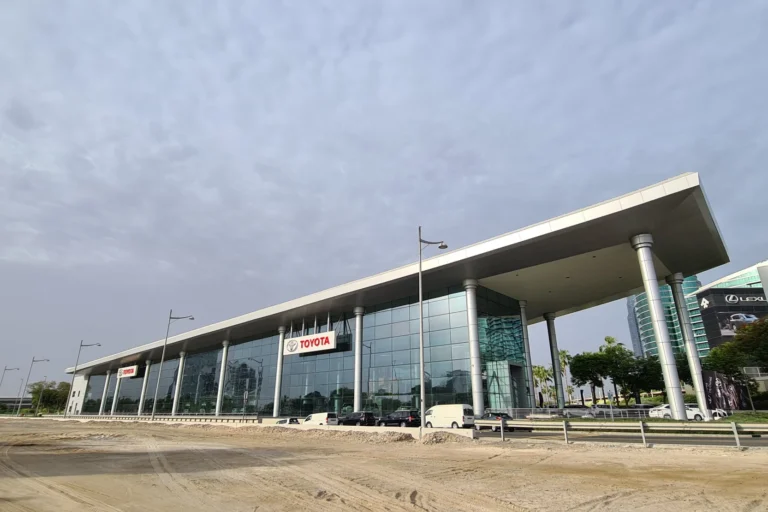
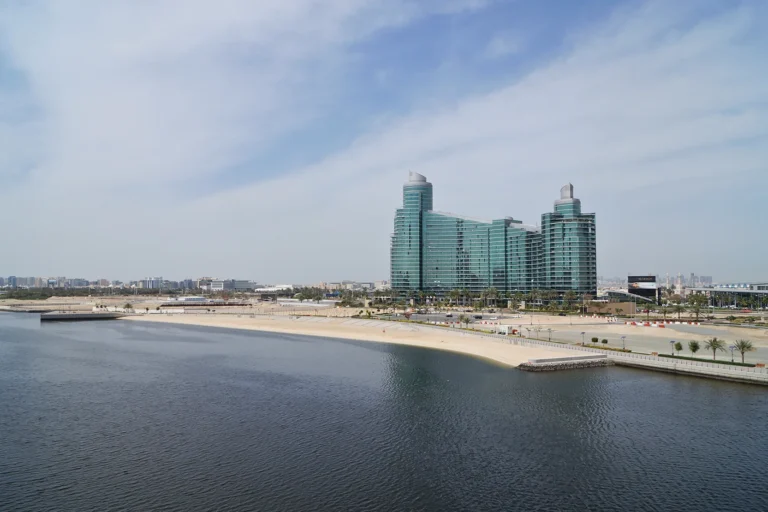
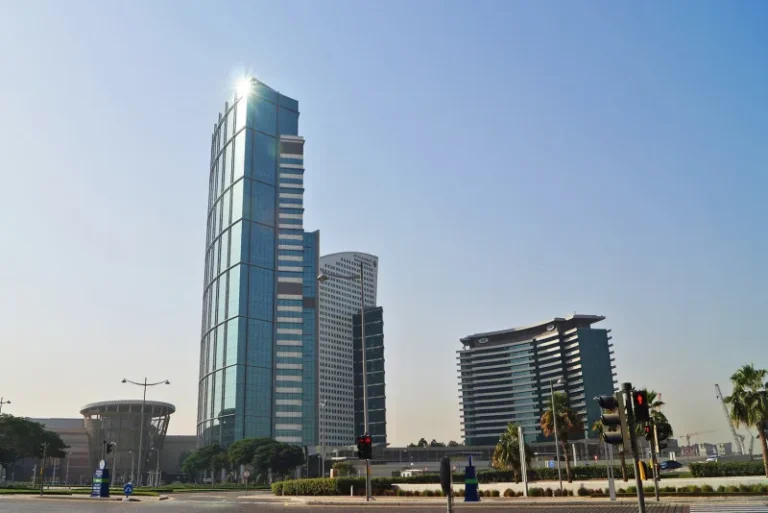
Dubai International Airport is a district of Dubai, 85 m from Airport Terminal 3 Metro Station, 35 sale transactions recorded in the DLD registry.
Dubai International Airport (DXB) is the city’s principal international gateway and a major transport, logistics and hospitality hub. The area around the airport is defined by large-scale aviation infrastructure — terminals, runways, cargo and support facilities — and by a concentration of hotels, business services and short-stay accommodation that serve travellers, airline crews and airport-related businesses. DXB’s operational profile and recent investments shape the character of the immediate surroundings rather than a conventional residential community.
Dubai International Airport occupies a central position in the city’s transport network and is recognised for high passenger volumes and extensive global connectivity. In 2022 DXB received the Aviation Business Awards’ ‘Airport of the Year’ title; during the first half of 2022 the airport handled 28 million passengers, a marked increase compared with the previous year. The airport forms part of the municipality of Dubai and is a focal point for aviation, freight and visitor accommodation.
The airport area is directly linked to Dubai’s road and rapid-transit systems. The Dubai Metro Red Line includes a station coded R13, located approximately 85 metres from key airport facilities and within walking distance. Road access is efficient for onward travel to central and coastal destinations.
These times are indicative for typical traffic conditions and reflect direct road connections between the airport precinct and major urban destinations. The mix of metro access, taxi services, airport shuttles and private vehicle routes makes the area one of the most connected points in the city for both local and international movement.
New mobility and aviation-support projects are part of the near-term planning emphasis around DXB. One notable programme under construction involves eVTOL vertiports intended to support electric vertical take-off and landing aerial taxi services. Skyports Infrastructure has progressed on the first vertiport near Dubai International Airport and, through agreements with Emaar Properties, Atlantis The Royal and Wasl Asset Management Group, the planned initial network is expected to include four vertiports by 2026 to form an early route network for an electric aerial taxi service. The vertiport initiative is spatially and operationally aligned with airport infrastructure and is intended to create new modal connections for short urban hops.
Beyond the vertiport programme and ongoing airport operations, land use in the immediate vicinity remains strongly oriented to aviation functions: terminals, airside and landside logistics, hotel and short-stay accommodation, car rental and servicing, and corporate offices that serve travel, freight and support industries. Commercial and service uses dominate the built environment; any residential presence is typically limited and influenced by the proximity to airport operations and transport corridors.
The airport precinct is most suitable for:
The area is less typical as a standard residential neighbourhood: its primary function is transport and service provision connected to the airport. Prospective users should assess location suitability against operational requirements such as noise exposure, vehicle access and proximity to terminal operations.
Q: How easy is it to access Dubai International Airport by public transport?
A: The Red Line metro serves the airport area; the relevant station is coded R13 and is located approximately 85 metres from airport facilities, making it a walkable option for many terminal access routes. The transport network is complemented by taxis, buses and airport shuttles.
Q: Are there new mobility projects planned near DXB?
A: Yes. A programme of eVTOL vertiports is underway, with Skyports Infrastructure delivering the first vertiport work and agreements in place with Emaar Properties, Atlantis The Royal and Wasl Asset Management Group to create a planned network of four vertiports aimed at initial operations around 2026.
Q: Is the airport area suitable for long-term residential living?
A: The precinct is primarily configured for aviation, commercial services and visitor accommodation. Those considering long-term residence should evaluate factors such as proximity to terminals, service infrastructure, and the local mix of uses before deciding.
Machine-readable mirrors of this page: Markdown · JSON. Every field carries its origin.
How to cite:Dubai International Airport — Continental Club Property, 2026-07-30, https://continentalclub.ae/location/dubai-international-airport/
The figures below come from registered Dubai Land Department transactions, not from listings. We show the median rather than the mean, so that one-off penthouses do not distort it.
Source: Dubai Land Department transaction registry. Prices per square metre, sale transactions.
Dubai market as a whole: prices, transactions and trends (DLD data) →
Neighbouring areas and sub-communities to compare location and prices.