
Below is a simple and clear process for selling an apartment in Dubai — from preparing documents to completing the transfer at a Trustee Office. Use it as an instruction and a checklist.
1) Prepare the required documents
To start the sale, you need your “property ownership certificate” and an ID document:
- OQOOD — if the property is in an off-plan (under-construction) project.
- Title Deed — if the property is ready (completed).
- Passport or Emirates ID.
If you can’t easily find your property certificate, you can download it via the Dubai REST app or through your account on the official government portal: https://dubailand.gov.ae/en/#/
PDF shortlist · updated 27 October 2026
New Dubai projects of October 2026
30 projects · prices from DLD and developers
-
 Rise By Athlon 1 Wadi Al Safa 5 · 1–3 BR
from AED 1,412,000
-
 Zuha Island Villas World Islands
from AED 68,000,000
-
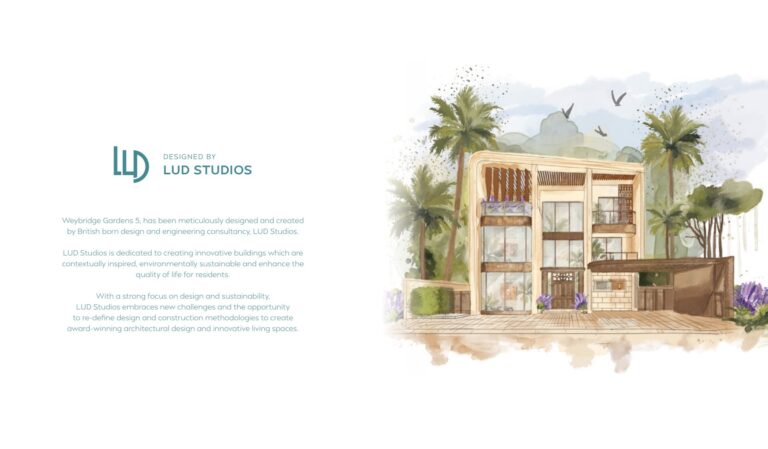 Weybridge Gardens Phase 5 by Leos Developments Dubailand Oasis
from AED 756,782
27 more in the PDF: prices, handover dates, payment plans
The PDF opens instantly. Refreshed monthly from DLD data.
2) Choose a licensed agency
It’s important to work with a properly licensed agency and broker. Make sure they have:
- a RERA certificate;
- a Broker Card.
3) Price your property
If the apartment hasn’t been significantly modified (major renovation/replanning) and isn’t heavily worn, pricing can often be done remotely based on current market conditions.
In practice, this means:
- reviewing active listings on major portals (similar units in your area and building);
- checking past sales history in your building via publicly available sources to understand the range of actual transactions.
4) Sign “Form A” with the agency
After choosing the agency, you sign Form A — the seller’s agreement/marketing mandate. From this point, the agency officially manages the sale: marketing, viewings, and negotiations.
5) The agency signs “Form B” with the buyer
Once a buyer is found, the agency signs Form B with the buyer — this formalizes the broker’s relationship with the buyer.
6) “Form F” is prepared and signed between the buyer and the seller
Next, Form F is prepared and signed by the buyer and the seller. It can usually be signed remotely once all terms are agreed.
7) The seller requests the NOC
The seller requests the NOC (No Objection Certificate) — a confirmation that there are no outstanding dues with the developer or the property management company (depending on the property).
8) Transfer at a Trustee Office
After the NOC is issued, the transfer date is scheduled at a Trustee Office (property ownership transfer and registration).
The meeting is strictly in person, with the buyer and seller present, or their representatives attending under a notarized Power of Attorney.
9) Fees payment and completion
Final step: the buyer pays the DLD fees and the Trustee fee. After that, the transaction is considered complete.
Quick checklist for the owner
- OQOOD (off-plan) or Title Deed (ready)
- Passport or Emirates ID
- Licensed agency (RERA, Broker Card)
- Market pricing (listings + sales history in the building)
- Form A → Form B → Form F
- NOC
- Transfer at the Trustee Office (in person / via POA)
- DLD fees and Trustee fee payment
PDF shortlist · updated 27 October 2026
New Dubai projects of October 2026
30 projects · prices from DLD and developers
30 more in the PDF: prices, handover dates, payment plans
The PDF opens instantly. Refreshed monthly from DLD data.