
In Dubai, a rent increase at renewal is governed by the difference between the current rent and the average market rent in the Rental Index, using the limits in Decree No. 43 of 2013. A party seeking to change renewal terms, including rent, must generally notify the other party at least 90 days before the contract ends, unless the tenancy contract provides otherwise.
The practical starting point is the DLD Rental Index for the relevant contract end date and property details. The Smart Rental Index changed how the average market rent is assessed, but it did not change the statutory increase brackets of 0% to 20%.
How Dubai rent increase rules work at renewal
Decree No. 43 of 2013 applies when a tenancy contract is renewed. It applies to landlords across the Emirate of Dubai, including special development zones and free zones. The decree refers to the Rent Index of the Emirate of Dubai, approved by RERA, to establish the average market rent used in the calculation.
The key comparison is not simply whether rents in a neighbourhood appear to have risen. The relevant question is how far the current annual rent is below the applicable average market rent shown by the index. The permitted increase, if any, then follows the statutory bracket.
This framework does not create an automatic right to charge the highest possible increase. It sets the maximum increase permitted by the applicable bracket at renewal. The tenancy contract, its end date, the notice given and the Rental Index result should all be reviewed together.
PDF shortlist · updated 1 November 2026
New Dubai projects of November 2026
30 projects · prices from DLD and developers
-
 Rise By Athlon 1 Wadi Al Safa 5 · 1–3 BR
from AED 1,412,000
-
 Zuha Island Villas World Islands
from AED 68,000,000
-
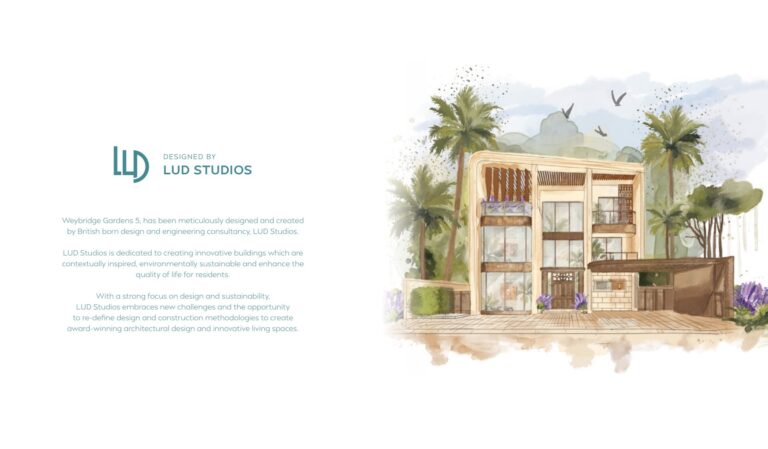 Weybridge Gardens Phase 5 by Leos Developments Dubailand Oasis
from AED 756,782
27 more in the PDF: prices, handover dates, payment plans
The PDF opens instantly. Refreshed monthly from DLD data.
Rent increase scale under Decree No. 43 of 2013
The following scale sets the maximum permitted increase at renewal. The percentage difference is measured between the current rent and the average market rent in the Rental Index.
| Current rent compared with average market rent | Maximum increase at renewal |
|---|---|
| Approximately up to 10% below market rent | 0% |
| From 11% to 20% below market rent | Up to 5% |
| From 21% to 30% below market rent | Up to 10% |
| From 31% to 40% below market rent | Up to 15% |
| More than 40% below market rent | Up to 20% |
The published wording around the boundary between 10% and 11% is not fully aligned across DLD materials. The legislation collection describes the first bracket as up to 10% below market rent and the next as 11% to 20% below. For a result close to that boundary, use the DLD calculator rather than relying on a manual percentage calculation.
The scale is sometimes misunderstood as an annual market-growth formula. It is not. It is a renewal framework based on the gap between the current rent and the applicable indexed average market rent.
RERA rent increase calculator
Decree No. 43 of 2013 scale: up to 10% below market — no increase; 11–20% — up to 5%; 21–30% — up to 10%; 31–40% — up to 15%; more than 40% — up to 20%. The DLD Rental Index service (Smart Rental Index; DIFC is not covered by the index) shows the average market rent for your building. Notice period: 90 days before the contract ends unless the parties agreed otherwise. This estimate is for guidance; DLD gives the official figure and the RDC hears disputes.
Open the Rental Index on the DLD website ↗The 90-day notice requirement
Article 14 of Law No. 26 of 2007, as amended by Law No. 33 of 2008, requires a party that does not wish to renew a tenancy contract, or wishes to change its terms, to notify the other party at least 90 days before the contract expiry date. A proposed rent change is a change of terms for this purpose.
The law also allows the parties to agree on a different notice period. Check the tenancy contract before assuming that 90 days is the only relevant deadline. Keep a clear record of the contract end date, the proposed terms and the date on which notice was sent or received.
The legislation does not state that an increase automatically becomes invalid whenever the 90-day requirement is not met. Published descriptions of the consequences differ. If timing is disputed, confirm the position through the RDC process or obtain advice tailored to the tenancy documents.
What the Smart Rental Index changes
DLD launched the Smart Rental Index on 2 January 2025. It uses artificial intelligence and building classification rather than relying only on area-wide averages. The published factors include construction quality, finishes, location, services and market conditions.
The index is based on registered tenancy contracts and is updated annually. It covers residential areas in Dubai, including free zones and special development zones, but DLD states that the Smart Rental Index excludes DIFC. This is important because the decree itself states that it applies across Dubai, including DIFC, while the Smart Rental Index FAQ identifies DIFC as outside that index coverage. Confirm the applicable index outcome directly with DLD where a DIFC tenancy is involved.
Owners may request a review of a building classification. New buildings enter the index after registration with DLD. These features concern the method used to assess average market rent; they do not alter the increase brackets in Decree No. 43 of 2013.
How to check a proposed increase
DLD provides a Rental Index service and the Dubai REST application as channels to check the applicable result. The online service asks for the tenancy contract end date, property type, area and current annual rent. For residential property, it also asks for the number of bedrooms and a property identifier, such as a DEWA number, Ejari number or area.
A useful check should be done before renewal discussions become urgent. The contract end date matters because the index query is designed around that date. The current annual rent should match the tenancy contract, and the property information should be entered carefully.
- Read the tenancy contract and identify its expiry date and any agreed notice period.
- Record the current annual rent and the property details shown in the tenancy documentation.
- Use the DLD Rental Index service or Dubai REST to obtain the index result for the relevant end date.
- Compare the proposed increase with the statutory bracket shown by the gap between the current rent and the indexed market rent.
- Send or respond to any renewal proposal within the contractual notice period, keeping copies of communications.
- If agreement is not reached, organise the contract, index result and notice evidence before considering an RDC filing.
Registration remains important because the index is based on registered tenancy contracts. See our guide to Ejari tenancy registration in Dubai for an overview of the tenancy registration record.
If the landlord and tenant disagree
Rental disputes fall within the exclusive jurisdiction of the Rental Disputes Center, known as RDC. Under the tenancy law framework, the tribunal determines average rental value using RERA criteria and the market conditions of the relevant area.
That means a disagreement about an increase is not resolved by a general rental complaint channel. DLD states that rental complaints are not handled through its general service because of jurisdictional limits; the appropriate forum for a dispute is RDC.
Before escalating, both parties can make the discussion more focused by identifying the precise issue: the index result, the proposed percentage, the contract expiry date, the notice period, or the evidence that notice was given. A copy of the tenancy contract, the Ejari record, communications about renewal and the Rental Index result can help show the facts in question.
RDC has jurisdiction to decide the dispute, but this does not predict the outcome of an individual case. The applicable documents and circumstances remain important.
Practical points for owners and tenants
For an owner, the clearest approach is to check the index before proposing a new rent and to give a written proposal early enough for the notice requirement in the contract. The permitted figure is a ceiling under the relevant bracket, not a required increase.
For a tenant, compare the proposal with the DLD result rather than relying only on advertised rents. If the figure appears inconsistent with the index or the notice was sent close to the expiry date, reply in writing and preserve the documents.
Both sides should distinguish a renewal rent question from other tenancy issues. A renewed tenancy should be recorded properly, and readers can also review Dubai tenancy laws and rental rules for broader renting context.
This article is general information, not legal advice.
Frequently asked questions
Can a landlord increase rent by any amount if market rents have risen?
No. At renewal, Decree No. 43 of 2013 sets a maximum increase of 0% to 20%, depending on how far the current rent is below the average market rent in the applicable Rental Index.
Is a 90-day notice always required for a rent increase?
The law generally requires notice at least 90 days before the contract ends when a party wants to change tenancy terms, including rent. However, the parties may agree to a different notice period in their contract.
Does the Smart Rental Index change the rent increase percentages?
No. The Smart Rental Index changed the way average market rent is assessed through building classification and other factors. The statutory brackets under Decree No. 43 of 2013 remain from 0% to 20%.
Does the Smart Rental Index cover DIFC?
DLD states that the Smart Rental Index covers residential areas in Dubai, including free zones and special development zones, but excludes DIFC. Because the decree states broader territorial application, confirm the relevant position directly with DLD for a DIFC tenancy.
Where can I check the permitted rent increase?
Use the DLD Rental Index service or the Dubai REST application. Enter the contract end date, property details and current annual rent carefully, then keep a record of the result.
Where is a dispute about a rent increase decided?
A rental dispute is decided by the Rental Disputes Center. DLD indicates that rental disputes are not dealt with through its general complaint service because RDC has jurisdiction.
What next
Learn more about what RERA is and how it protects you, then review your tenancy contract and the DLD Rental Index result before discussing renewal terms.
PDF shortlist · updated 1 November 2026
New Dubai projects of November 2026
30 projects · prices from DLD and developers
30 more in the PDF: prices, handover dates, payment plans
The PDF opens instantly. Refreshed monthly from DLD data.
Related articles
 Unmarried Couples in the UAE and Dubai: Housing, Law, and Practical Rules for Living and Investing in 2026
 Buying an Apartment in Dubai as a Foreigner: Full Legal and Investment Guide
 Freehold vs Leasehold in Dubai: Key Advantages for Property Buyers and Investors
 Freehold Property in the UAE: Full Ownership, Key Areas and Investment Opportunities in 2026