Renat BashirovUpdated: 28 August 202624 min read
Growth of Dubai’s Elite Property Market
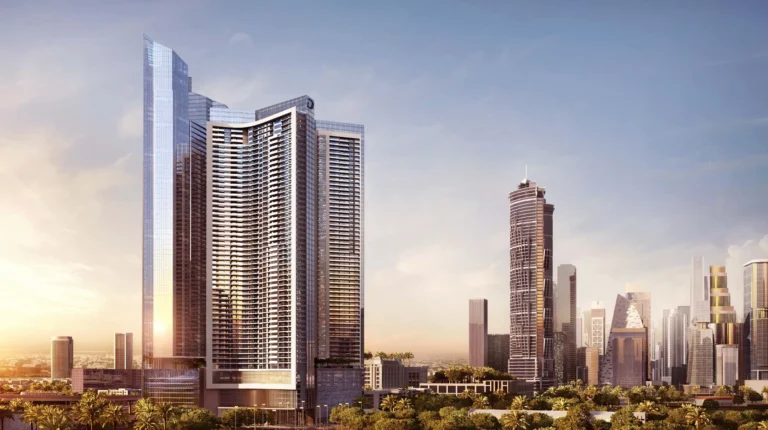
Dubai has become one of the most attractive global destinations for high-net-worth individuals who are looking for elite real estate, lifestyle, and long‑term capital protection. In recent years, the emirate has seen a powerful wave of demand from international buyers, including a strong inflow of Russian investors. The focus of this demand is clearly concentrated in the most prestigious districts of Dubai, where buyers target both capital appreciation and stable rental income.
Government policy in the UAE is deliberately oriented towards attracting foreign capital, and real estate is one of the key beneficiaries of this strategy. Liberal ownership rules in designated freehold zones, a transparent registration system through the Dubai Land Department (DLD), and active development of infrastructure all support the continuous expansion of the property market. As a result, the luxury segment has shown especially strong price growth, particularly in the most expensive coastal and villa communities.
Analysts note that new developments in Dubai’s top‑tier districts have already experienced a significant price surge compared with earlier periods. At the same time, expert forecasts indicate that demand for elite properties in 2026 is expected to remain high, with further potential for price growth in prime locations. For investors, this combination of strong fundamentals, international demand, and limited supply in key luxury districts creates a compelling long‑term investment story.
Whether the wider market justifies buying is a separate matter, weighed against registry volumes in is it worth buying property in Dubai.
Off‑Plan Developments in the UAE
Across the whole market, launch prices per square metre ran above the resale market in 2025 — see off-plan vs ready property in Dubai.
Related Articles
- ROI analysis of apartment in DAR AL JAWHARA: DLD data and real deals
- How to buy a home in Dubai in Al Bateen Residences – analysis 2025
- How to sell an apartment in Dubai in Oceana Atlantic – analysis 2026
- How to buy an apartment in Dubai in Canal Front Residence 6 – analysis 2026
- How to sell a property in Dubai in Nicholas Residence – analysis 2026
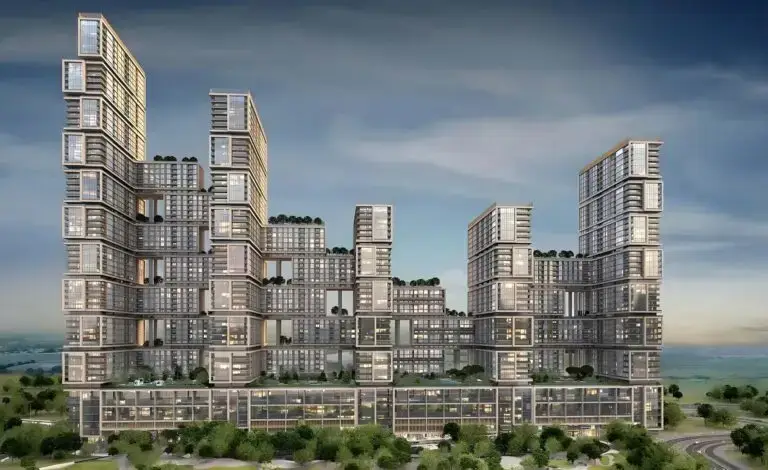
One of the defining features of the Dubai property market is the importance of off‑plan projects. Off‑plan refers to properties that are sold during the construction phase or even before construction starts, based on project documentation, floor plans, and developer reputation. This segment is particularly popular among foreign buyers, including Russian investors, who are looking to enter promising areas at earlier price points and benefit from future appreciation.
In practice, off‑plan investments in Dubai are concentrated in residential assets: apartments, villas, and townhouses. A smaller but notable share of demand is directed towards hotel apartments, which are managed by professional operators and can provide owners with guaranteed or structured rental income. For many investors, this model is attractive because it allows them to receive passive income without being involved in day‑to‑day property management.
Off‑plan transactions in Dubai are regulated and recorded through the DLD and its systems, which helps protect buyers’ interests. Investors receive an Oqood (off‑plan registration certificate) that confirms their contractual rights to the unit. Payment plans are typically linked to construction milestones, which spreads the capital outlay over time and lowers the initial entry threshold compared with buying a fully completed property. In 2026, off‑plan remains a core strategy for those who want exposure to developing districts and future infrastructure growth.
Where Dubai’s Wealthiest Residents Live
The geography of wealth in Dubai is not random. Certain districts consistently attract millionaires and billionaires due to a combination of location, urban planning, privacy, and lifestyle amenities. A notable study by Webster Pacific, conducted in the past, ranked Dubai districts by the number of resident millionaires. According to that ranking, Jumeirah, Al Barsha, and Arabian Ranches emerged as the leading areas by concentration of wealthy residents. Together, these three locations accounted for around 40% of Dubai’s millionaires at the time of the study.
Dubai as a whole is home to tens of thousands of individuals with net worth above one million US dollars and dozens of billionaires who either reside permanently or spend a significant part of the year in the emirate. These individuals are highly selective in their choice of district. They evaluate not only the quality of individual properties but also the broader environment: access to the sea, proximity to business districts, international schools, healthcare, and leisure infrastructure such as golf courses and equestrian clubs.
Each of the top luxury districts has its own clear positioning. Jumeirah is valued for its unique combination of beachfront lifestyle and central urban location. Arabian Ranches is a magnet for those who prefer suburban villa living, golf, and equestrian sports. Al Barsha is particularly popular among families due to its concentration of international schools, shopping malls, and entertainment facilities. Understanding these differences is crucial for investors who want to align their property choices with target tenant profiles and long‑term demand.
The mass market sits well below these districts: most sales clear between one and three million dirhams. Counts by segment are in who is buying property in Dubai.
Top Elite Districts of Dubai by Number of Millionaires
Based on the structure of the market and the earlier Webster Pacific ranking, the following districts stand out as the core elite zones by number of resident millionaires and overall prestige:
- Jumeirah – a long, established coastal district divided into Jumeirah 1, 2, and 3, with a mix of luxury villas and high‑end hotels.
- Al Barsha – a centrally located area with a strong family orientation, large villas, and landmark retail and entertainment facilities.
- Arabian Ranches – a master‑planned villa community with golf and equestrian infrastructure, designed for affluent families.
- Palm Jumeirah – the iconic man‑made palm‑shaped island, one of the most expensive and recognizable addresses in Dubai.
- Dubai Marina – a high‑density waterfront district built around an artificial marina, with a skyline of residential towers.
- Downtown Dubai – the central flagship district anchored by Burj Khalifa, Dubai Mall, and the Dubai Fountain.
- Business Bay – a mixed‑use business district with premium hotels, offices, and residential towers, adjacent to Downtown.
- Dubai Hills – a large master community with premium villas, apartments, a golf course, and a dedicated shopping mall.
- Al Barari – a low‑density, green luxury community known for spacious villas and landscaped gardens.
- Damac Hills – a golf‑oriented community with villas and apartments, positioned in the upper‑middle and premium segments.
Not all of these districts are equally accessible to foreign buyers in terms of ownership structure. Some are fully open freehold zones, while others are primarily available to UAE nationals or only accessible to expatriates through leasehold or rental arrangements. For investors, it is essential to distinguish between these regimes before planning a purchase.
Outside the elite tier the picture changes sharply; citywide averages are collected in apartment prices in Dubai.
Preferred Districts for Russian Investors
Russian investors in Dubai tend to focus on off‑plan residential projects in developing and established freehold districts. Their portfolios are dominated by apartments, villas, and townhouses, with a smaller allocation to hotel apartments operated by management companies. The logic behind these choices is straightforward: investors seek a balance between capital appreciation, rental yield, and liquidity in the resale market.
In practice, Russian buyers most often consider the following elite and upper‑premium locations:
- Palm Jumeirah – for its global brand recognition, beachfront lifestyle, and strong rental demand from tourists and long‑term tenants.
- Dubai Hills – for its master‑planned environment, golf course, and mix of villas and apartments appealing to families and professionals.
- Dubai Marina – for its waterfront setting, dense infrastructure, and high liquidity in both sales and rentals.
- Downtown Dubai – for its status as the city’s flagship district and proximity to major attractions and business hubs.
- Business Bay – for its business orientation, central location, and strong demand from corporate tenants and young professionals.
For many Russian investors, Dubai is not only a lifestyle destination but also a diversification tool. They often prioritize projects with strong developer reputations, clear construction timelines, and established demand from international tenants. In 2026, this approach remains relevant, especially in the context of continued interest in Dubai as a safe and transparent jurisdiction for capital placement.
Key Features of Dubai’s Elite Districts
Despite their differences, Dubai’s top luxury districts share several structural characteristics that define their investment profile and appeal to millionaires.
Freehold vs Leasehold
Foreigners in Dubai can only own property on a freehold basis in designated zones. Freehold ownership is equivalent to full ownership of the property and, in many cases, the land beneath it. It allows the owner to sell, lease, or bequeath the asset at their discretion. Dubai has around 60 such freehold zones, many of which are located in or around the city’s most prestigious districts.
Outside these zones, foreigners can access property primarily through leasehold structures, which typically involve long‑term leases while the underlying land ownership remains with the original owner, often a local or a government‑related entity. Leasehold can still be a viable option for long‑term use, but it does not provide the same level of control and long‑term capital security as freehold. For high‑net‑worth investors, freehold districts are usually the first choice.
Property Types: Villas, Apartments, Townhouses
Elite districts in Dubai offer a wide spectrum of property types:
- Villas – stand‑alone or semi‑detached houses with private plots, gardens, and often private pools. They dominate in communities such as Arabian Ranches, Dubai Hills, and parts of Jumeirah and Al Barsha.
- Apartments – units in mid‑rise and high‑rise towers, ranging from studios to large penthouses. They are the main product in Dubai Marina, Business Bay, Downtown Dubai, and many projects on Palm Jumeirah.
- Townhouses – multi‑level homes that combine features of villas and apartments, often with small private gardens and shared community facilities. They are common in master‑planned communities and appeal to families seeking a balance between price and space.
For investors, the choice between these types depends on budget, target tenant profile, and risk tolerance. Villas often provide a more exclusive lifestyle and can attract higher‑income tenants, while apartments usually offer higher liquidity and a broader tenant base.
Rental Income and Capital Appreciation
Elite districts in Dubai are characterized by a combination of rental income potential and capital appreciation. In many prime locations, investors can expect stable annual rental yields in the range of approximately 5–8%, depending on property type, micro‑location, and management quality. At the same time, limited supply in the most prestigious areas supports long‑term price growth.
In 2026, investors in Dubai’s luxury segment typically pursue two main strategies:
- Buy‑to‑let – acquiring completed or near‑completion properties in established districts with strong rental demand, focusing on stable cash flow.
- Capital growth – entering off‑plan projects in developing or upgrading districts, aiming to benefit from price increases by completion and beyond.
In both cases, careful selection of district, developer, and specific building is crucial. Factors such as proximity to the sea, views, floor level, and access to infrastructure can significantly influence both rental rates and resale values.
Which individual sales actually topped the registry is a separate list: the most expensive apartments in Dubai.
Palm Jumeirah
Palm Jumeirah is one of the most iconic and expensive districts in Dubai. It is a man‑made island in the shape of a palm tree, extending into the Arabian Gulf. This engineering and urban planning landmark has become a global symbol of Dubai and a magnet for high‑net‑worth individuals from around the world.
One of the key features of Palm Jumeirah is its unique combination of beachfront living and relative proximity to the main business districts. The island is connected to the mainland by a monorail, which provides convenient access to the rest of the city. The coastal location ensures that many properties have direct beach access or panoramic sea views, which is a major driver of both prices and rental demand.
From an investment perspective, Palm Jumeirah offers both villas and apartments. Buyers can choose between private villas on the fronds, often with their own beaches and pools, and apartments in high‑end residential complexes located on the trunk and crescent. Prices on the island start from around 3,500 US dollars per square meter, but units closer to the water and with better views command significantly higher rates.
Palm Jumeirah is also a major tourism hub. It hosts a concentration of luxury hotels, serviced apartments, and entertainment facilities. Among them are a large aquarium and underwater world museum, a dolphinarium, water parks, and diving centers. This tourism infrastructure supports strong short‑term rental demand, while the prestige of the address attracts long‑term tenants willing to pay a premium for the lifestyle.
For investors, Palm Jumeirah is typically viewed as a blue‑chip location with high entry prices but also strong resilience and long‑term capital preservation. In 2026, it remains one of the most sought‑after addresses for those who prioritize status, sea views, and global recognizability of their property.
Al Barsha
Al Barsha is a centrally located district that has become one of the preferred choices for affluent families in Dubai. Compared with many newer master‑planned communities, Al Barsha is less densely populated and offers a mix of villas, townhouses, and mid‑rise apartment buildings. The area is known for its relatively spacious plots and a more traditional urban fabric, which appeals to residents who value privacy and a quieter environment while still being close to the city’s main arteries.
Although Al Barsha attracts tourists to some extent, it is primarily a residential district rather than a pure tourist zone. Its key landmark is the Mall of the Emirates, one of Dubai’s largest and most famous shopping centers. Inside the mall is an indoor ski resort, which has become a symbol of the UAE’s ambition to “tame” nature and showcase advanced engineering solutions. This unique facility draws visitors from all over the world and adds to the district’s visibility.
Al Barsha is also home to the world’s largest butterfly park and the Dubai Miracle Garden, a botanical garden with unique plant compositions, many of which have been included in the Guinness World Records. These attractions reinforce the district’s family‑friendly positioning and provide residents with convenient access to leisure and recreation.
From an investment standpoint, Al Barsha is particularly interesting because of its strong demand from families and long‑term residents. The district hosts numerous international schools and kindergartens, which is a decisive factor for many expatriate families when choosing where to live. While the area is not as heavily marketed internationally as some waterfront districts, its combination of central location, educational infrastructure, and family‑oriented amenities makes it a stable and attractive choice for long‑term rental strategies.
Dubai Marina
Dubai Marina is a showcase of Dubai’s ambition to create new urban landscapes through engineering. The district is built around a large man‑made marina, effectively a human‑made bay, and is surrounded by a dense cluster of residential and mixed‑use skyscrapers. Once fully completed, with around two hundred towers, Dubai Marina is expected to be one of the largest artificial harbors in the world.
The district is famous for its long, well‑developed waterfront promenade, which is lined with cafes, restaurants, and retail outlets. Dubai Marina Mall, a mid‑sized shopping center, serves as a focal point for residents and visitors. The combination of waterfront living, urban density, and extensive amenities makes Dubai Marina one of the most vibrant and liquid residential markets in the city.
Property prices in Dubai Marina are heavily influenced by proximity to the water and the quality of views. Units on the first line of the marina, especially those with unobstructed water or sea views, can reach prices above 20,000 US dollars per square meter. Floor level is another critical factor: apartments on higher floors in towers exceeding 300 meters in height often command a significant premium.
On average, a one‑bedroom apartment in Dubai Marina is priced at around 3,300 US dollars per square meter, although actual prices vary depending on building, view, and finishing quality. For investors, Dubai Marina offers high rental demand from young professionals, expatriate families, and short‑term tenants. The district’s strong brand, metro access, and proximity to business hubs such as Dubai Media City and Dubai Internet City further support its investment appeal in 2026.
Jumeirah
Jumeirah is one of Dubai’s most established and prestigious coastal districts. It stretches along the shoreline and is divided into three main sections: Jumeirah 1 (eastern part), Jumeirah 2 (central part), and Jumeirah 3 (western part). A significant portion of the coastline in Jumeirah is occupied by luxury hotels and high‑end villas, many of which have direct or close access to the beach.
Unlike many newer freehold communities, Jumeirah is not generally open to foreign buyers on a freehold basis. Full ownership of residential property in this district is typically reserved for UAE nationals. Foreigners and expatriates can access Jumeirah primarily through rental of apartments or villas, and tourists can stay in the numerous hotels located along the coast.
Despite these ownership restrictions, Jumeirah plays a crucial role in the overall structure of Dubai’s elite property market. It is a preferred residential area for many wealthy Emirati families and long‑term residents who value its central location, established infrastructure, and coastal lifestyle. The district offers quick access to both the historic parts of Dubai and the newer business hubs, making it highly convenient for daily commuting.
For investors, the main implication is that direct freehold acquisition in Jumeirah is generally not an option unless they hold UAE citizenship. However, understanding the dynamics of this district is still important, as it influences demand patterns in neighboring freehold areas and sets a benchmark for luxury coastal living in the city.
Arabian Ranches
Arabian Ranches is a master‑planned villa community that has become synonymous with suburban luxury living in Dubai. It is particularly popular among affluent families who prefer a quieter, low‑density environment compared with the high‑rise coastal districts. The community is designed around green spaces, parks, and leisure facilities, creating a self‑contained residential environment.
One of the defining features of Arabian Ranches is its focus on high‑end hobbies and sports. The district is home to an international 18‑hole golf club, which attracts both residents and visitors. In addition, the community has strong equestrian infrastructure, appealing to those who are passionate about horse riding and related activities. This combination of golf and equestrian facilities positions Arabian Ranches as a lifestyle destination rather than just a residential area.
The housing stock in Arabian Ranches is dominated by villas, typically with two or three bedrooms, although larger configurations are also available. The average price for such villas is around 2,300 US dollars per square meter, reflecting the premium nature of the community and its amenities. The layout of the district, with clusters of villas organized around green spaces and community centers, supports a strong sense of neighborhood and privacy.
For investors, Arabian Ranches offers exposure to a stable, family‑oriented tenant base. Demand is driven by residents who plan to stay in Dubai for the medium to long term and who value space, greenery, and access to sports facilities. In 2026, this district continues to be a preferred choice for high‑income UAE nationals and expatriates seeking a suburban lifestyle with high service standards.
Business Bay
Business Bay is one of Dubai’s main business‑oriented districts and a key node in the city’s central urban corridor. It is characterized by a dense concentration of office towers, premium hotels, and residential buildings. The district is designed to serve as a mixed‑use hub where people can live, work, and access a wide range of services within a compact area.
Business Bay is home to some of the most expensive five‑star hotels in the city and attracts large international companies that establish their regional offices there. The master plan envisions the construction of around 230 skyscrapers, which underscores the long‑term development potential of the area. In addition to its business function, Business Bay benefits from access to a 12‑kilometer stretch of waterfront, which enhances its attractiveness for both residents and visitors.
From a residential perspective, Business Bay is one of the most expensive districts in Dubai in terms of apartment prices, largely due to the high flow of people and strong demand from professionals working in and around the area. Premium‑class apartments in some complexes are priced above the citywide average. As a guideline, studio units in Business Bay are priced at approximately 3,800 US dollars per square meter, while one‑bedroom apartments average around 3,300 US dollars per square meter.
For investors, Business Bay offers a clear value proposition: proximity to major business centers, high occupancy rates, and strong rental demand from corporate tenants and young professionals. The district’s adjacency to Downtown Dubai further enhances its appeal, as residents can easily access the city’s main attractions while benefiting from a more business‑oriented environment. In 2026, Business Bay remains a core choice for those who prioritize rental income and liquidity in the central segment of the market.
Downtown Dubai
Downtown Dubai is the flagship district of the city and one of the most recognizable urban environments in the world. It is anchored by Burj Khalifa, the tallest skyscraper on the planet, which has become a global symbol of Dubai’s rapid development. The district also hosts Dubai Mall, one of the world’s largest shopping centers, and the famous Dubai Fountain, a large musical fountain that attracts crowds of visitors every evening.
Geographically, Downtown Dubai is located adjacent to Business Bay, forming a continuous central corridor of high‑rise development. The district includes a mix of office towers, residential skyscrapers, and clusters of private villas in certain sub‑communities. This diversity of property types allows it to cater to a wide range of residents, from corporate executives and entrepreneurs to families seeking a central address.
In terms of residential demand, studios and one‑ or two‑bedroom apartments dominate transaction volumes, as they are more accessible in terms of budget and are highly liquid in the rental market. The average price per square meter for a one‑bedroom apartment in Downtown Dubai is around 4,350 US dollars, reflecting the district’s premium status and central location.
For investors, Downtown Dubai offers a combination of strong rental demand, global brand recognition, and long‑term capital appreciation potential. Properties here are attractive to both long‑term tenants and short‑term visitors who want to stay close to the city’s main attractions. In 2026, the district continues to be a benchmark for luxury urban living in the Middle East and a key component of many international investors’ Dubai portfolios.
Dubai Hills
Dubai Hills is a large master‑planned community that has quickly gained a reputation as one of Dubai’s most promising premium districts. It is designed as a balanced environment combining villas, townhouses, and apartment complexes, all centered around a championship golf course and extensive green spaces. The community also features its own shopping mall, Dubai Hills Mall, which provides residents with convenient access to retail and entertainment.
The district is particularly attractive to buyers who value space, greenery, and a more relaxed pace of life compared with the dense high‑rise coastal areas. Dubai Hills offers wide streets, parks, and community facilities such as schools, healthcare centers, and sports amenities. This makes it a strong contender for families and professionals who plan to live in Dubai for the long term.
From a pricing perspective, Dubai Hills offers a range of options. Three‑bedroom villas are priced at approximately 2,700 US dollars per square meter, reflecting the premium nature of the community and its golf‑oriented positioning. At the same time, the district also includes apartment complexes, where one‑bedroom units start from around 170,000 US dollars. This price spectrum allows investors to enter the community at different budget levels while still benefiting from its overall positioning and infrastructure.
For investors in 2026, Dubai Hills represents a strategic choice for exposure to a growing, family‑oriented community with strong lifestyle appeal. The combination of golf, green spaces, and a dedicated mall supports both end‑user demand and rental interest from tenants who prioritize quality of life and community amenities.
Conclusion
The sustained growth of Dubai’s elite real estate segment is the result of a deliberate, long‑term state policy aimed at attracting foreign investment while protecting the interests of citizens. Not all prestigious districts are equally accessible to foreign buyers: freehold ownership is limited to around 60 designated zones, and some of the most established coastal areas, such as Jumeirah, remain primarily the domain of UAE nationals.
Russian investors and other international buyers tend to focus on freehold districts with strong infrastructure and clear investment potential, such as Palm Jumeirah, Dubai Hills, Dubai Marina, Downtown Dubai, and Business Bay. Wealthy UAE citizens, on the other hand, often prefer locations like Jumeirah, Al Barsha, and Arabian Ranches, which offer established communities and, in some cases, restricted ownership structures.
Across the elite segment as a whole, investors can reasonably expect further price growth in the coming years, supported by sustained demand and limited supply in the most prestigious districts. Expert assessments indicate that in the near term, prime properties in Dubai may still show capital appreciation in the order of 10–20%, depending on location and asset type. At the same time, villas and apartments in top districts can generate stable rental income in the range of approximately 5–8% per year, making them a compelling option for those seeking a combination of income and capital growth.
In 2026, the key to successful investment in Dubai’s elite real estate lies in a deep understanding of district‑level specifics: ownership regimes (freehold vs leasehold), target resident profiles, infrastructure, and long‑term development plans. By aligning these factors with personal goals and risk tolerance, investors can build resilient portfolios that benefit from Dubai’s unique position as a global hub for capital, tourism, and high‑end urban living.