Old Town is a district of Dubai, 1.5 km from Burj Khalifa / Dubai Mall Metro Station.
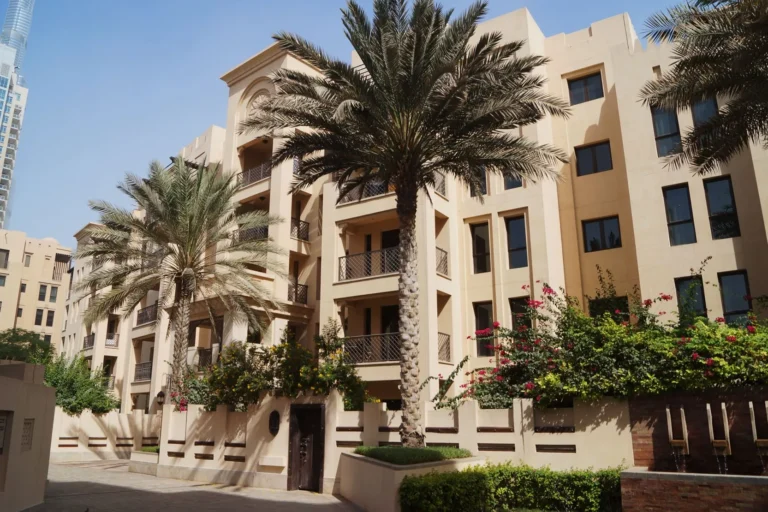
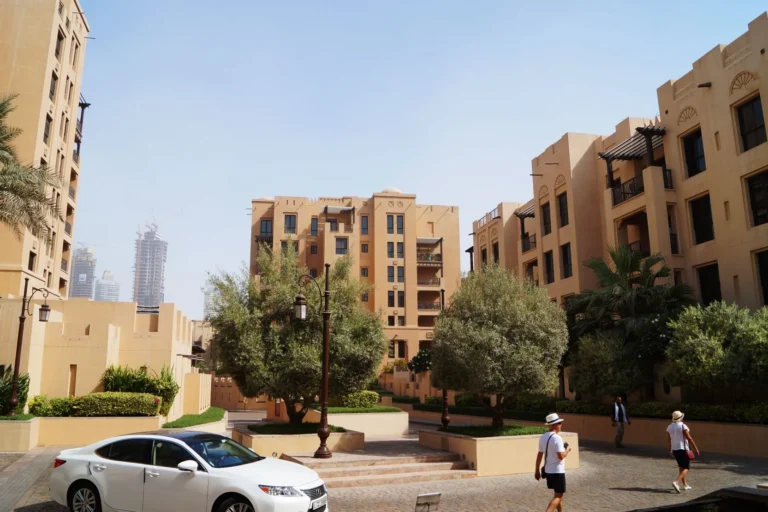
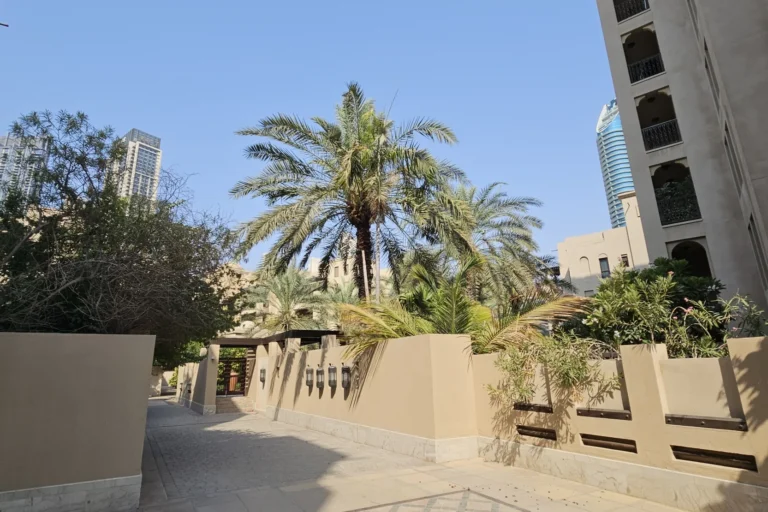
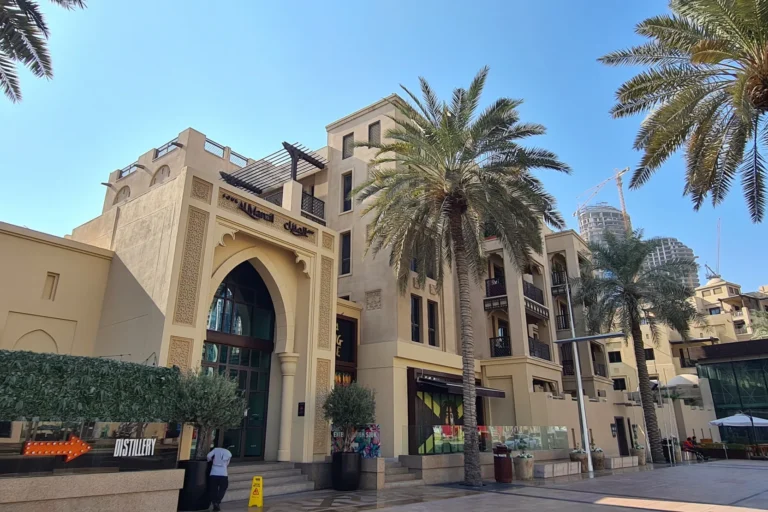
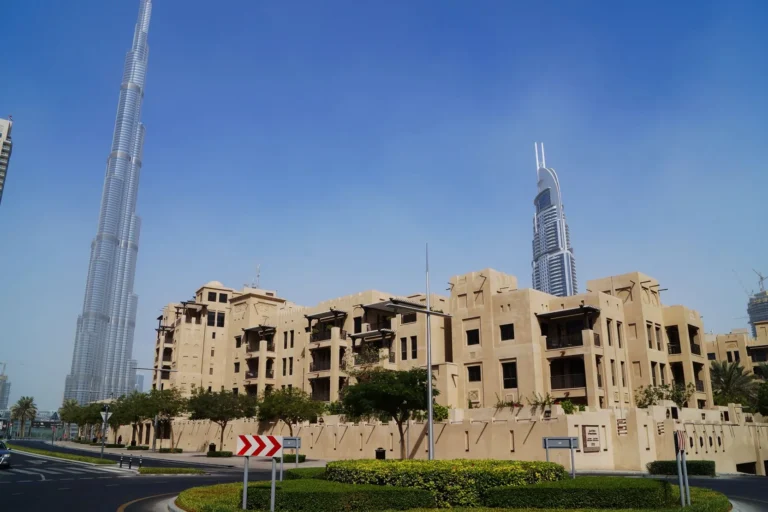
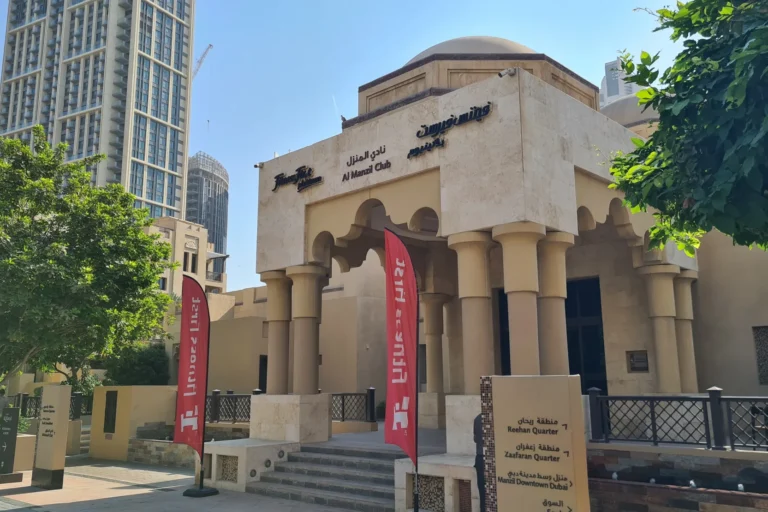
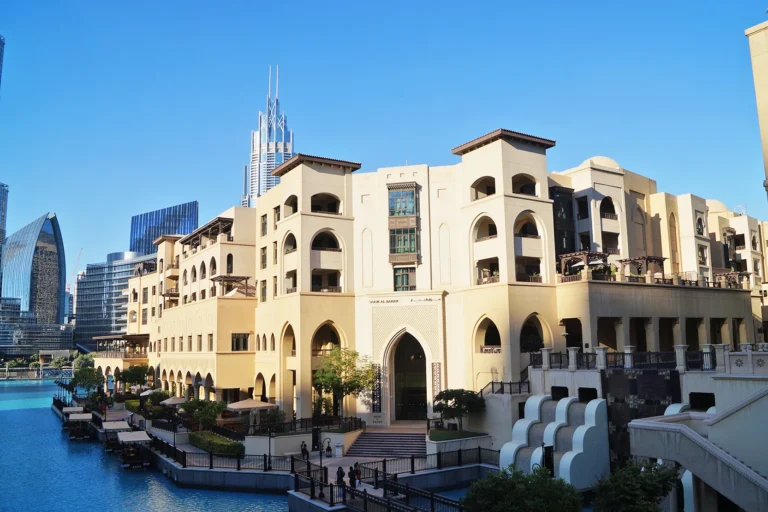
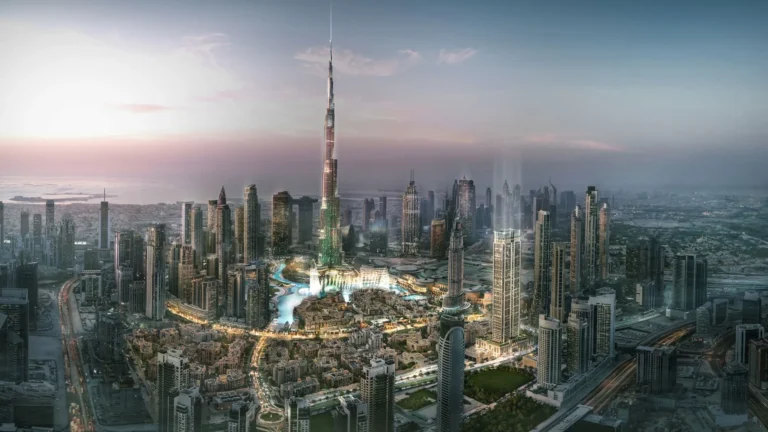
Old Town is a compact residential district in the heart of Downtown Dubai, developed as a pedestrianised neighbourhood with traditional Arabic architectural references. It sits immediately north of the Burj Khalifa complex and the Dubai Fountain, offering a mix of low-rise blocks and shared communal facilities within walking distance of major attractions.
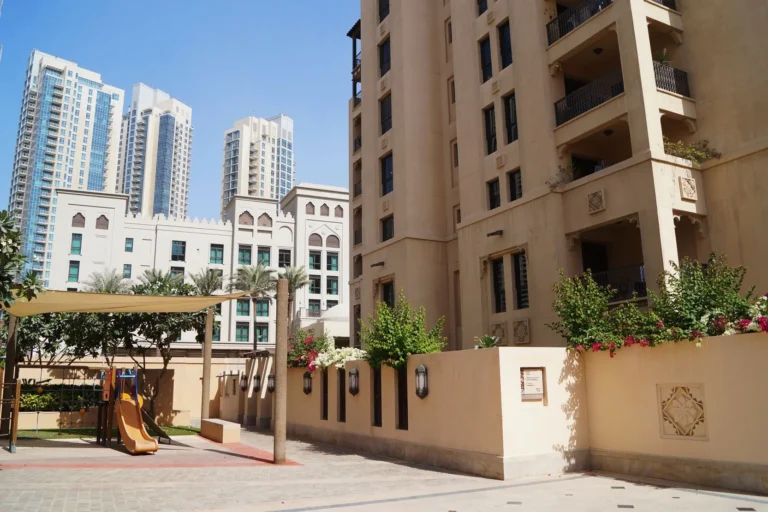
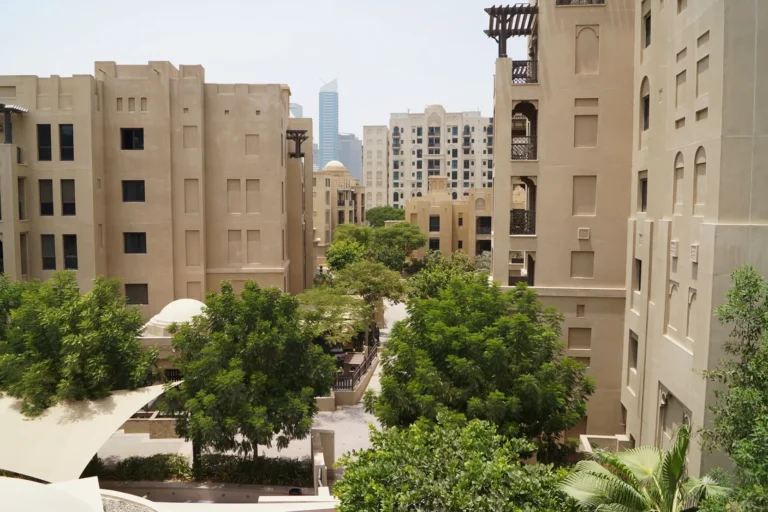
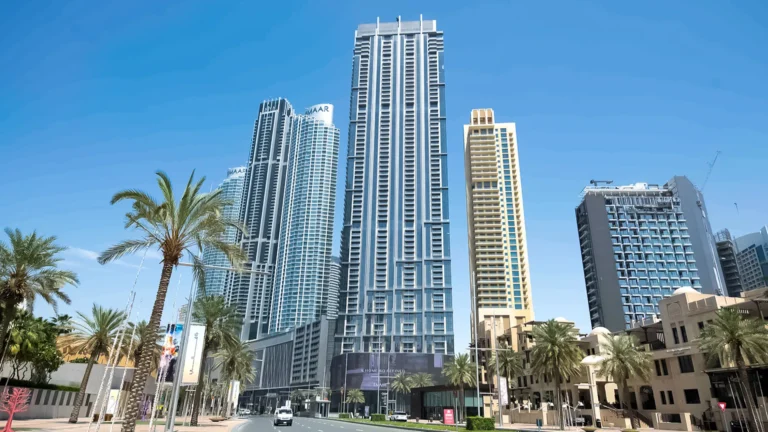
Old Town is a subcommunity of Downtown Dubai. The district is organised into six named zones and comprises a series of low-rise residential blocks arranged around traffic-free streets and courts. Buildings are typically between four and seven storeys and the whole district was constructed in the mid-2000s; construction began in 2004 and finished in 2006.
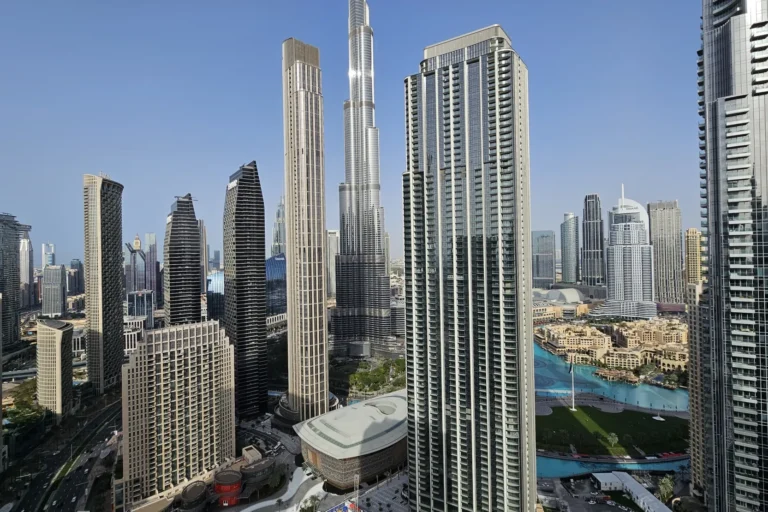
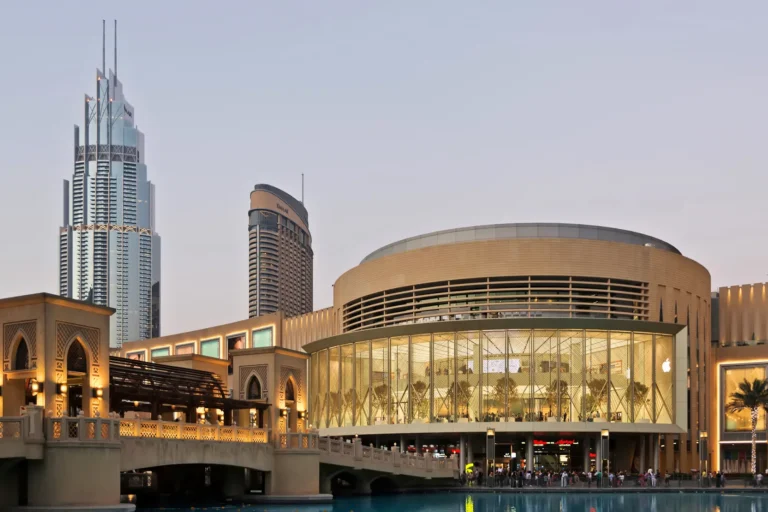
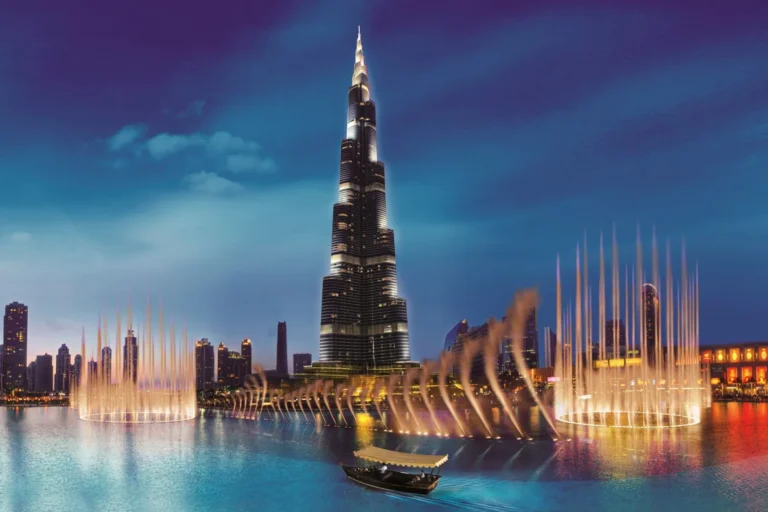
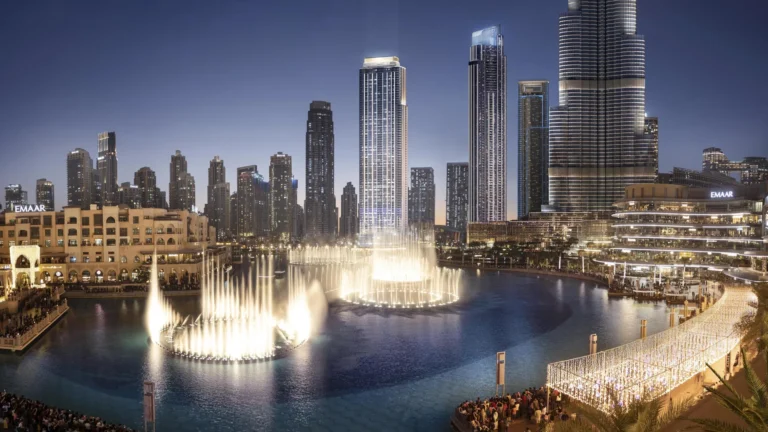
Its location places residents a short distance from the Burj Khalifa podium, Souk Al Bahar and the Dubai Mall, and within easy reach of the Dubai Fountain. Many apartments face the central lake and have views of the fountain displays and the Burj Khalifa; other addresses front on to busier streets and can experience more traffic noise.
Public transport options are available nearby, with buses and taxis accessible from the district. The nearest metro infrastructure is on the Red Line (station code R25); the point of reference for the metro is approximately 1.5 km from Old Town and is not treated as readily walkable within the immediate neighbourhood. The Burj Khalifa and Business Bay metro stations are commonly used by residents to access the wider city.
Key distances from Old Town (approximate):
Typical drive times quoted for journeys from Old Town include roughly 9 minutes to Dubai Mall, about 24 minutes to Palm Jumeirah, around 23 minutes to Burj Al Arab and about 28 minutes to The Walk JBR. Drive time to Dubai International Airport (DXB) is commonly given as roughly 33 minutes and to Al Maktoum International Airport (DWC) as roughly 49 minutes, depending on traffic and route choice. Sheikh Zayed Road and Al Khail Road are accessible within a short drive and form the main arterial links to other parts of Dubai.
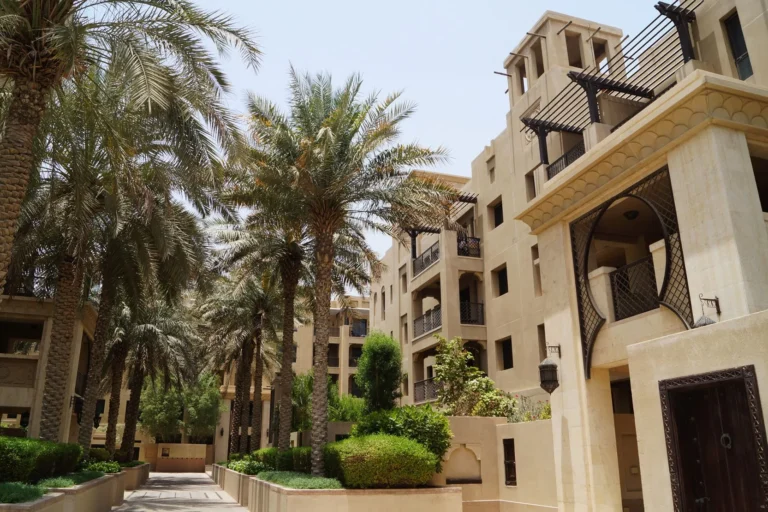
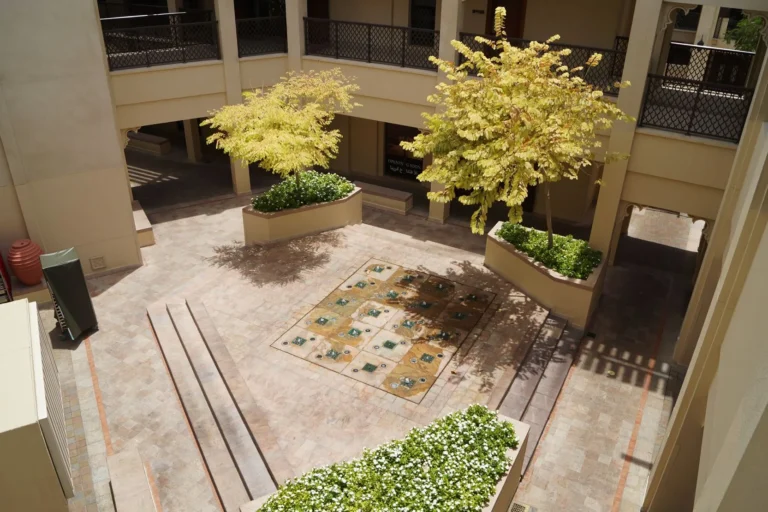
Old Town was planned as a pedestrianised residential district with a traditional aesthetic. The masterplan divides the area into discrete zones—Yansoon, Zaafaran, Reehan, Zanzebeel, Kamoon and Miska—and the completed development consists of about 35 residential buildings. Buildings are low-rise and oriented around shared courtyards and a central lake.
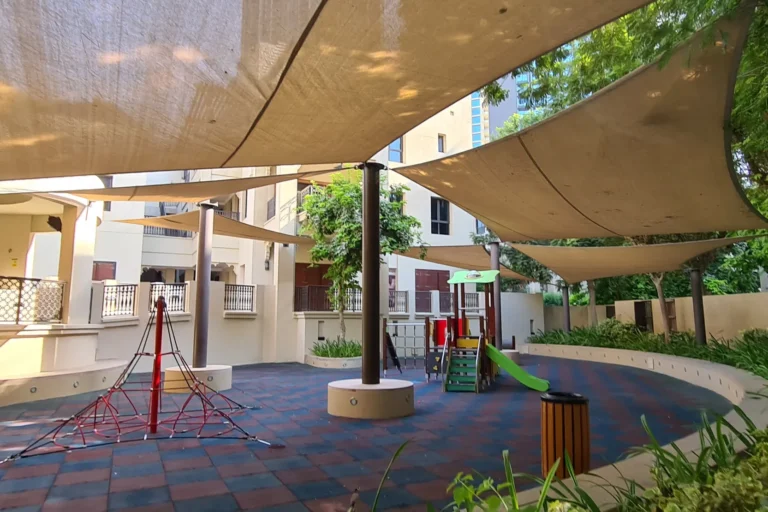
Onsite communal amenities commonly cited include multiple shared swimming pools, children’s play areas, a gym and aerobics room, squash courts, a games room, an entertainment lounge and various coffee shops. The immediate retail and dining offer is extended by the proximity of Souk Al Bahar and the Dubai Mall.
Projects recorded as being nearby include:
The projects listed above are those identified in proximity to Old Town; where a developer is recorded in the available data it is noted (for example, several Kamoon and Miska phases are by Emaar Properties). There are multiple further projects and phases in the broader Downtown area.
Property transaction activity for Old Town is recorded by the Dubai Land Department and made available under the government’s open data arrangements. At the time of the latest aggregation there are 50 sale transaction records for Old Town; the transaction listings are updated regularly on working days.
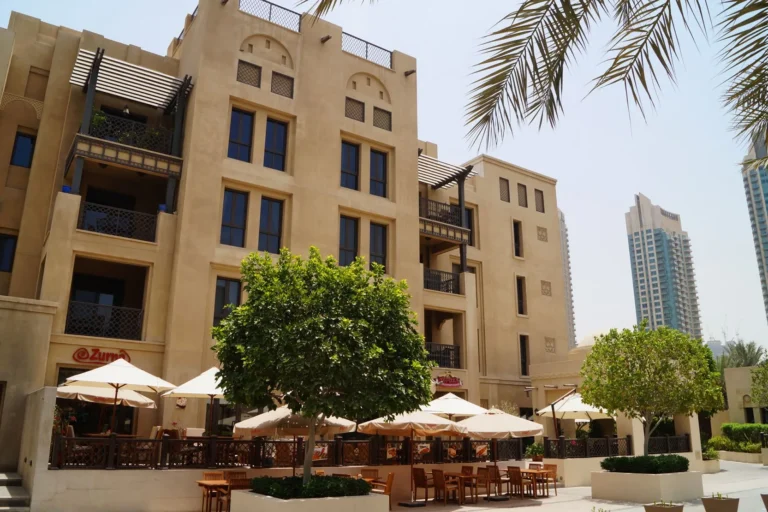
Old Town is subdivided into smaller neighbourhood pockets. The entries with direct references include:
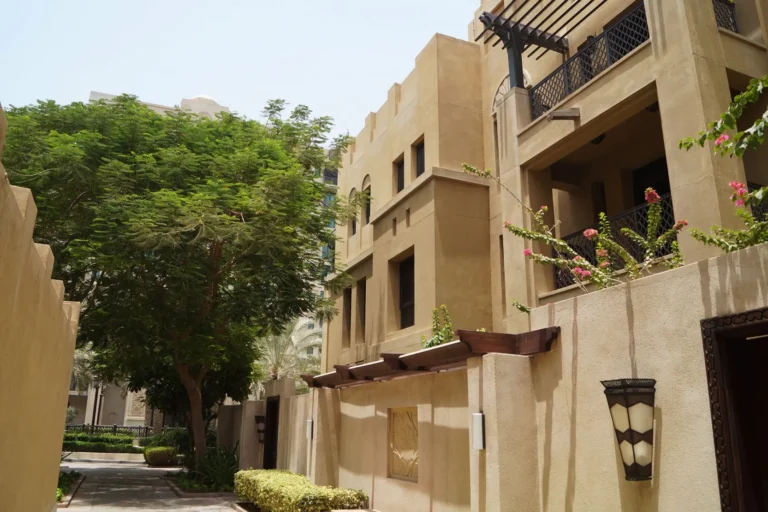
Old Town appeals to those who prioritise proximity to central Dubai landmarks and a pedestrian-friendly neighbourhood feel. Its location is suitable for residents who want quick access to the Dubai Mall, Burj Khalifa and the entertainment and dining options around Souk Al Bahar, as well as professionals working in central business districts such as DIFC. The low-rise scale and communal facilities also make the district appropriate for families and long-term residents seeking a quieter residential character compared with high-rise neighbourhoods.
Specific buyer or renter considerations include apartment orientation (lake-facing units offer fountain and Burj views; street-facing units are closer to vehicular routes) and the nature of shared amenities. The district’s compact form and proximity to major attractions mean foot traffic and visitor numbers can be higher around peak times and event days.
Q: How close is Old Town to Dubai Mall and Burj Khalifa?
A: Old Town borders the Burj Khalifa/Downtown area; the Dubai Mall and Burj Khalifa are within roughly one kilometre of the district.
Q: What building types and amenities are typical in Old Town?
A: The district is made up of low-rise residential buildings of about four to seven storeys. Common communal amenities include swimming pools, children’s play areas, a gym/aerobics room, squash courts, games rooms and small food and beverage outlets, with a wider retail and dining offer at nearby Souk Al Bahar and Dubai Mall.
Q: Which developers have projects near Old Town?
A: Several nearby phases are associated with Emaar Properties, including the Kamoon and Miska series. Other named projects in proximity are listed in local project registers.
Q: Are there schools and services close to Old Town?
A: There are a number of schools and child services within a short drive of Old Town; examples referenced in local information include Citizens School and Widad Center for Child Development at distances of about 2.0–2.2 km from the district.
Dubai market as a whole: prices, transactions and trends (DLD data) →
Largest management companies in the area: Emaar Community Management (18), Emaar Hospitality Community Management (12), Luxury Owner Association Management Services Co. (3).
Check any building’s service charge → All communities
RERA-approved 2026 budgets from the DLD service charge index (Mollak); residential buildings. Rate is AED per sq ft per year; YoY compares the same buildings in 2025.



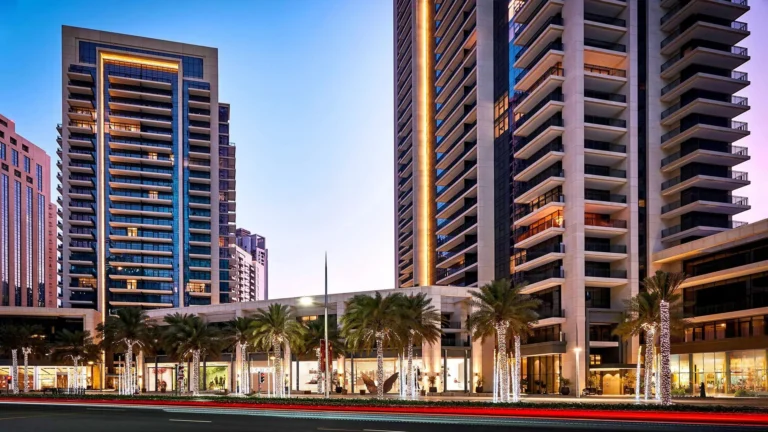
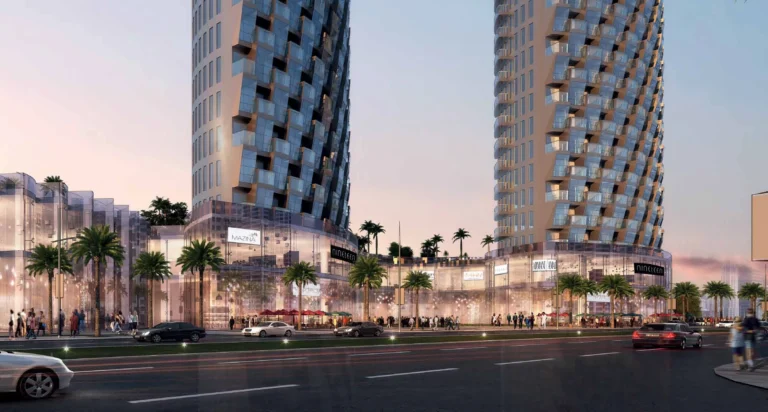

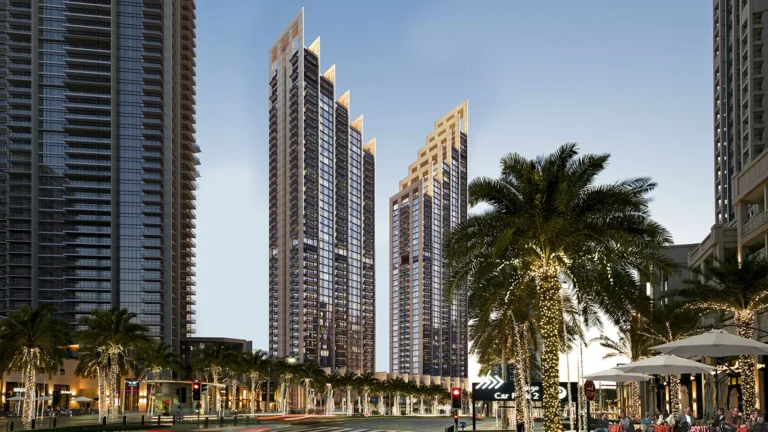

Nothing found. Try relaxing the filters.
Neighbouring areas and sub-communities to compare location and prices.