Abu Dhabi is the largest and wealthiest emirate in the UAE, and Abu Dhabi city is the country’s capital. The emirate accounts for more than 70 % of the UAE’s land area and holds around 95 % of its proven oil reserves. Its economic base differs from Dubai’s, with energy, industry and government institutions playing a central role alongside the ongoing diversification of the economy and residential real estate sector.
For buyers considering the UAE, Abu Dhabi offers a different urban and residential setting from Dubai property. Development is generally less dense, with a larger share of villas, townhouses, private plots and gated communities. Many master-planned districts are connected to waterfronts, beaches, marinas, mangroves or parks. This makes location, ownership status and the form of the property particularly important when reviewing an individual purchase.
Foreign buyers can obtain full freehold ownership in designated investment zones. These include:
Outside designated investment zones, a foreign buyer does not receive freehold ownership. The available form of tenure is a long-term leasehold right for up to 99 years. This distinction can affect the legal structure of the purchase and the property’s resale liquidity, so the title form should be checked for each specific unit, plot or project.
A purchase in an eligible zone may also be relevant to an application for a long-term residence visa, often referred to as a Golden Visa. Visa thresholds, eligibility rules and document requirements are set at the federal level and may change. Current requirements should therefore be verified before linking a property purchase to a residency plan. For an overview of property-related residency routes in the UAE, see UAE residency through property.
Abu Dhabi’s residential stock includes a substantial proportion of low-rise and mid-rise buildings, commonly in the 3–10 storey range, alongside villa and townhouse communities. The built environment is often planned around lower density, open areas and private outdoor space rather than concentrated high-rise districts.
This pattern is visible across both coastal and suburban locations. Waterfront communities may combine apartments, villas and leisure infrastructure, while inland districts tend to focus more strongly on family-oriented villas and townhouses. Rental demand also has a different profile from Dubai, with a larger family segment and longer tenancy periods often associated with established residential communities.
For a project-focused review of the emirate, including ownership rules and residential development formats, read our guide to new developments in Abu Dhabi.
The transaction and rental registry used for the figures elsewhere on this website is based on exports from the Dubai Land Department (DLD). It covers Dubai rather than Abu Dhabi. For this reason, we do not publish Abu Dhabi price, rental, yield or transaction-volume figures on this page. Verifiable transaction information and Dubai market tools are available through Dubai property transactions and the Dubai ROI calculator. Buyers comparing locations can also review current off-plan projects in Dubai alongside Abu Dhabi opportunities, while assessing each market according to its own ownership rules and available official records.
Machine-readable mirrors of this page: Markdown · JSON. Every field carries its origin.
How to cite:Abu Dhabi — Continental Club Property, 2026-08-30, https://continentalclub.ae/location/abu-dhabi/
Dubai market as a whole: prices, transactions and trends (DLD data) →
PDF shortlist · updated 27 October 2026
New Dubai projects of October 2026
30 projects · prices from DLD and developers
 Rise By Athlon 1 Wadi Al Safa 5 · 1–3 BR
from AED 1,412,000
 Zuha Island Villas World Islands
from AED 68,000,000
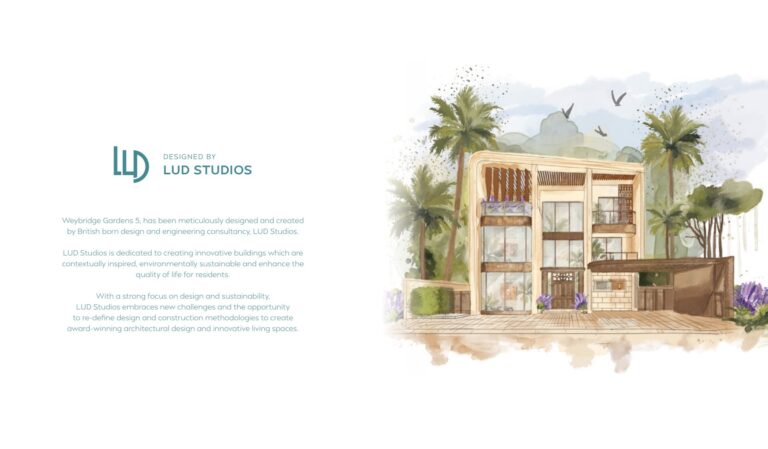 Weybridge Gardens Phase 5 by Leos Developments Dubailand Oasis
from AED 756,782
27 more in the PDF: prices, handover dates, payment plans
The PDF opens instantly. Refreshed monthly from DLD data.
