
Information current as of October 2026. “Turnkey” property transaction support in Dubai means one responsible broker coordinates the purchase from property selection to keys, while the buyer signs and pays only through the developer’s project escrow account or at a trustee office. For a ready property, the DLD sale-registration page lists 2% of the price for the seller and 2% for the buyer, plus registration and trustee fees; the allocation can be changed by agreement in Form F. The broker does not receive, exchange or transfer client money, open accounts, issue loans, or provide tax or legal opinions.
What end-to-end property transaction support covers
A purchase can feel unclear because several parties act at different moments: buyer, seller, developer, bank, building management, trustee office and the Land Department. The broker’s task is to keep the sequence visible, check that documents are ready before an appointment is booked, and explain who must sign or pay at each point.
This is not a service where the buyer disappears from the transaction. A buyer must approve the property, provide identification documents, sign the sale documents personally or through a properly authorised representative, and arrange payments in the form required for that transaction. A seller must provide ownership documents and, for a resale, arrange the no-objection certificate. A bank handles lending and registered mortgages. The trustee office processes the transfer registration.
For non-residents, a passport can be used for identification in a property sale registration. An Emirates ID is used where the party has one. The buyer should not rely on screenshots of documents or verbal statements about ownership, outstanding payments or handover dates.
Transaction support can include property selection using DLD transaction data, document coordination, arranging viewings, preparing standard brokerage and sale forms, following up on the NOC, coordinating manager’s cheques and accompanying the parties to the trustee office. It does not replace a lawyer, tax adviser or bank. If a buyer needs a tax position in the UAE or another country, that question belongs to a qualified tax adviser. Contract amendments, inheritance matters, corporate ownership structures and disputes may require an independent lawyer.
PDF shortlist · updated 27 October 2026
New Dubai projects of October 2026
30 projects · prices from DLD and developers
-
 Rise By Athlon 1 Wadi Al Safa 5 · 1–3 BR
from AED 1,412,000
-
 Zuha Island Villas World Islands
from AED 68,000,000
-
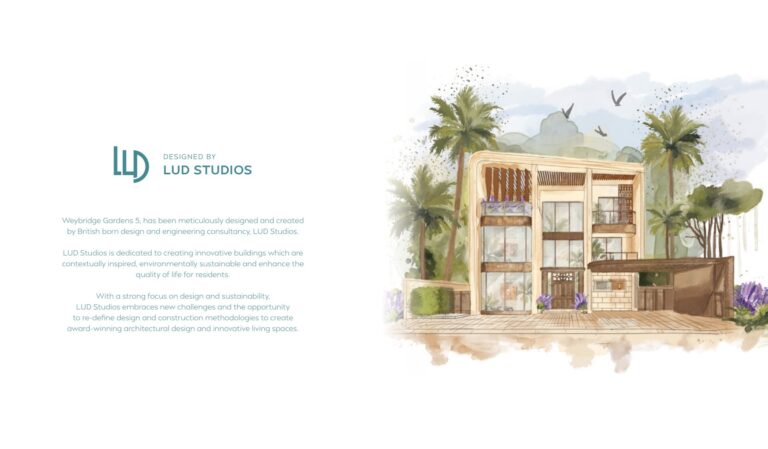 Weybridge Gardens Phase 5 by Leos Developments Dubailand Oasis
from AED 756,782
27 more in the PDF: prices, handover dates, payment plans
The PDF opens instantly. Refreshed monthly from DLD data.
Ready apartment: the resale route from listing to title deed
A ready-property purchase is commonly called a secondary or resale transaction. The property exists, a current owner sells it, and ownership is transferred through DLD registration. The registration itself may take around 20 minutes once the complete file is accepted, but that is not the duration of the full transaction.
| Step | Who acts | Documents and checks | Time and cost |
|---|---|---|---|
| 1. Select the unit and check the listing | Buyer and broker | The broker checks the permit details; the buyer inspects the unit before signing. A buyer can also use how to verify a listing by its Trakheesi permit before relying on an advertisement. | Depends on search and availability. No official fixed period. |
| 2. Check title and ownership | Buyer, broker, seller | Title deed details should be checked through the DLD verification service. See how to check ownership and a title deed in Dubai REST. The buyer should also ask whether the property is subject to a mortgage, lien or other restriction. | Confirm any fee and timing with DLD; there is no universal timetable. |
| 3. Sign Form F | Buyer and seller; broker coordinates | The parties use the standard DLD sale contract, called Form F. They may add terms that do not contradict the standard form. Form A is commonly used between seller and broker, and Form B between buyer and broker. | The transfer date and payment conditions are agreed in the contract. |
| 4. Deposit | Buyer and seller under Form F terms | Market practice often uses a 10% deposit by manager’s cheque, but this is not a statutory rule. The payee, release conditions and consequences of default must be read in the signed Form F. | Usually arranged after Form F; amount depends on the agreement. |
| 5. Obtain NOC | Seller obtains it; broker follows up | For freehold sale registration, DLD requires the developer’s e-NOC through Dubai REST. Read what an NOC is and how it is obtained. It is intended to confirm that relevant service charges are settled and that there are no relevant violations. | An older DLD brochure refers to AED 500. Current market estimates vary, so confirm the actual charge and timing with the issuer before booking transfer. |
| 6. Prepare manager’s cheques | Buyer, seller, bank where applicable | The required payees and amounts are confirmed before the trustee appointment. A manager’s cheque is a bank-issued payment instrument used for the agreed transfer payments and fees. | No universal list: it depends on price, mortgage status and Form F. |
| 7. Attend trustee office and register the sale | Buyer, seller or authorised representatives, trustee office | Passport for a non-resident or Emirates ID for identification; developer e-NOC for freehold property; payment instruments; additional bank documents if there is finance or an existing mortgage. | DLD indicates about 20 minutes for registration once the file is complete. |
| 8. Receive electronic title deed and take over | Buyer, trustee office, seller, broker | The result is an electronic title deed and electronic property card. Keys, access cards, parking remotes and building procedures are handed over under the agreed arrangements. | Registration is effective through DLD records; an unregistered real-estate transaction is invalid. |
| 9. Activate utilities and register tenancy if needed | New owner; broker may assist with forms | DEWA generally requires the title deed or SPA and an Emirates ID or passport. If the property will be leased, Ejari registration follows the tenancy agreement. | Ejari online cost is AED 177.75; through trustee centres it is AED 220. |
For a detailed walkthrough of the resale sequence, including the point at which each cheque is normally prepared, see how to buy a ready apartment in Dubai. On transfer day, payment and registration must follow the trustee procedure rather than an informal arrangement; the process is explained in payment for resale property through a trustee office.
Off-plan purchase: reservation, SPA, Oqood and handover
An off-plan purchase follows a different route because the unit is under construction and a title deed is not issued at reservation. Before payment, the buyer should check that the project is registered, the developer is registered, sale permissions exist, the project has an escrow account, and the project status records show the escrow details, bank agent, construction progress and expected completion information.
Dubai Law No. 8 of 2007 requires a developer selling units under construction to open an escrow account for the project. Articles 6, 7 and 9 govern the escrow-account framework. Buyer payments for an off-plan project should go to that project’s escrow route, not to a broker or an individual.
| Step | Who acts | Documents and checks | Time and cost |
|---|---|---|---|
| 1. Check project and escrow | Buyer and broker | Project registration, developer registration, sale permission, project escrow account, progress and stated completion information. | Complete before reservation. No fixed official review period. |
| 2. Reservation | Buyer and developer; broker coordinates | Reservation form, passport or Emirates ID, and the developer’s requested KYC documents. | Depends on the developer’s reservation terms. |
| 3. Sign SPA | Buyer and developer | Sale and Purchase Agreement, payment plan, unit details, handover terms and default clauses. The buyer should read the conditions for assignment before paying. | The contract sets the payment timetable. |
| 4. Register Oqood | Developer registers; buyer provides documents | Oqood is the initial registration of an off-plan sale. The developer registers it through the portal using the SPA and the buyer’s ID or passport. See Oqood registration for off-plan property in Dubai. | The contract must be registered within 90 days of signing. |
| 5. Pay instalments | Buyer and developer | Payments follow the SPA schedule and should use the authorised payment route: cheque to the developer’s Noqodi Developer Wallet, transfer to escrow, or ePay. | Amounts and dates are project-specific. |
| 6. Snagging and handover | Buyer and developer; broker may coordinate access | Inspect finishes, equipment, keys, access devices and defects before accepting handover documentation. There is no official DLD snagging checklist that we are aware of; use this apartment snagging checklist as a practical inspection tool. | Handover timing depends on the project and contract. |
| 7. Title deed after completion and payment | Developer and DLD; buyer receives result | When the unit is fully paid and the developer completes the required process, it moves from the initial register to the real-estate register and a title deed is issued. | DLD lists AED 540 per unit for initial title-deed registration. |
DLD asks developers to pay the property registration fee within 60 days after receiving it from the buyer. The buyer pays 4% to the developer for this purpose, while the initial-sale registration page expresses the registration fee as 2% plus 2%, together with AED 10 knowledge and AED 10 innovation fees. Keep each receipt and confirm the payment reference against the project records.
Check with DLD whether and how an Oqood certificate can be verified independently. If a record, payment confirmation or registration status is unclear, ask the developer and DLD to clarify it before making the next contractual payment.
Costs, payment routes and realistic timing
For a resale property, the DLD sale-registration page lists 2% of the property value for the seller and 2% for the buyer. Market practice often places the full 4% on the buyer, but that is not the DLD page’s stated allocation and is not automatic. The parties can allocate the payment in Form F.
The same page lists AED 250 for the title deed, AED 100 to AED 250 for property cards, AED 10 knowledge fee and AED 10 innovation fee. The trustee service-partner fee is AED 4,000 plus VAT where the price is AED 500,000 or more, or AED 2,000 plus VAT below AED 500,000. DLD pages have differed on certain trustee figures, so confirm the current fee at the selected trustee centre. Buyers can map the stated charges through the Dubai property purchase cost calculator before committing to a budget.
Broker commission is a matter of agreement. In resale transactions, 2% plus VAT is commonly quoted in the market and is commonly paid by the buyer, but it is not a statutory rate. DLD states that a broker receives commission after the contract is concluded and registered, unless the brokerage agreement says otherwise.
Market estimates put a straightforward resale cycle from Form F to transfer at around four to eight weeks. That is not an official service standard. An NOC, a seller’s mortgage, buyer finance, missing documents or a disputed payment instruction can extend the process. The DLD brochure refers to registration within 60 days of signing the contract; because that brochure is undated, confirm the current requirement for the specific transaction.
If the buyer uses a mortgage, it must be registered with DLD to be valid. The mortgage-registration fee is 0.25% of the mortgage amount, with a service-partner fee of AED 4,000 plus VAT, or AED 5,000 plus VAT for Oqood. The bank decides lending eligibility and required documents; the broker cannot approve credit or advise on the bank’s underwriting decision.
Buyer document checklist and post-transfer obligations
- Valid passport; Emirates ID if one has been issued.
- Current contact details required by the developer, bank or trustee office.
- For a resale: signed Form F, title-deed information, e-NOC and manager’s cheques or other approved payment instruments.
- For off-plan: signed SPA, reservation documentation, instalment receipts and Oqood-related documents.
- For bank finance: the documents requested directly by the bank.
- For a corporate buyer: certified corporate documents, a power of attorney or partners’ resolution where required, and certified Arabic translations for foreign documents.
- For a representative: an appropriate notarised POA and any required legalisation for a foreign POA.
After receiving the title deed, the owner arranges utility activation. Market information indicates a DEWA security deposit of about AED 2,000 for an apartment and AED 4,000 for a villa, with activation reported at about 15 working hours after payment; these figures should be confirmed directly with DEWA. Service charges remain an ownership obligation, and the buyer should obtain the building’s current payment instructions.
If the property is rented, the new owner becomes the landlord if the tenant remains in place. Ejari registration through Dubai REST or the online service is AED 177.75; through trustee centres it is AED 220. The centre route requires the original Unified Tenancy Contract and Emirates ID.
What can be done by power of attorney
A buyer may attend personally or act through a representative holding a notarised power of attorney with powers that cover the relevant purchase actions. DLD FAQ information states that a POA for purchase is valid for five years from notarisation, while a POA for sale, mortgage or gift is valid for two years. A POA issued abroad requires formal legalisation.
The broker can coordinate viewings, document collection, Form F or SPA preparation, NOC follow-up, trustee appointments and DEWA or Ejari applications without becoming the buyer’s legal representative. Signing Form F or an SPA, accepting title documents and making payments are normally done by the buyer personally or by a representative whose POA specifically describes those actions.
Requirements for foreign POAs can include the original document, legalisation, verification and a certified Arabic translation. Before appointing anyone, check with DLD whether an employee of a brokerage company may act as a POA representative. For the practical sequence, see buying Dubai property remotely under a power of attorney.
Where transactions usually stop or fail
The most preventable delay is a mismatch between documents and payment instructions. A manager’s cheque made out to the wrong name may not be accepted. Check each payee, spelling, amount and date against the trustee’s confirmed instructions before the appointment.
An unpaid service-charge balance can delay the NOC. The buyer should not assume that an NOC will be issued simply because a seller says the unit is clear. For a mortgaged property, the seller’s bank discharge and the coordination between lender, seller, buyer and trustee can add steps. A booking should not be treated as a completed purchase until the transfer is registered.
For off-plan purchases, avoid treating an Oqood record as a substitute for reading the SPA. The assignment threshold before resale, if any, is commonly set by the developer in the SPA rather than fixed by law. Project payment schedules, late-payment clauses and handover provisions should be understood before reservation.
See also: how to sell fast: real timelines and the cost of urgency.
Frequently asked questions
Can everything be done for me while I only sign?
A broker can coordinate most practical steps, but the buyer must sign personally or appoint a properly authorised representative. Payments should go only through the developer’s escrow route or the trustee process.
Who handles the NOC, cheques and trustee appointment?
The seller normally obtains the NOC, the buyer prepares required manager’s cheques, and the broker can coordinate documents and the trustee appointment. The trustee office registers the transfer.
What is Form F in Dubai?
It is the standard DLD sale contract between buyer and seller for a ready-property transaction. It records the price, timeline and agreed conditions.
How long does property transfer take in Dubai?
DLD indicates around 20 minutes for the registration step once documents are complete. A resale transaction commonly takes around four to eight weeks in market estimates, with no official total-cycle timetable.
Does the buyer always pay 4% DLD fee?
The DLD sale-registration page states 2% for the seller and 2% for the buyer. It is common market practice for the buyer to pay 4%, but the allocation should be stated in Form F.
What is Oqood?
Oqood is the initial registration of an off-plan sale. The developer registers the SPA and buyer details; it is not the final title deed.
Can a broker provide tax or legal advice?
No. A broker can explain the transaction procedure and coordinate documents, but tax analysis and legal opinions require a qualified tax adviser or lawyer.
Discuss a purchase in Dubai
If you are considering a purchase, arrange a free consultation to go through the property, the transaction steps and the documents.
PDF shortlist · updated 27 October 2026
New Dubai projects of October 2026
30 projects · prices from DLD and developers
30 more in the PDF: prices, handover dates, payment plans
The PDF opens instantly. Refreshed monthly from DLD data.