Renat BashirovUpdated: 26 September 202625 min read
The UAE real estate market continues to grow actively. According to the Dubai Land Department, residential prices in Dubai increased by more than 33% in 2022. Foreign buyers are especially active, viewing the country as economically stable and attractive for both living and investment. In 2022, citizens of Russia, India and the UK were among the top three foreign investor groups in Dubai property.
This guide explains in detail how an expat can buy an apartment in Dubai, what documents are required, how mortgage financing works, and what to consider when choosing a community and a specific property. The focus is on practical aspects of the Dubai market: freehold and leasehold zones, off-plan and ready properties, service structure, and the link between property ownership and residence visas.
Why UAE Real Estate Is Popular Among Foreigners
Interest in UAE property increased significantly after the pandemic. In the first half of 2022, real estate investments in the country grew by 70% compared with 2021. The authorities simplified the purchase process for foreigners, and in many cases only 3–4 documents are needed to buy an apartment.
Several structural factors support demand from expats and international investors:
- simplified ownership rules for foreigners in designated zones of Dubai;
- the possibility to obtain a residence visa through property ownership;
- relatively high rental yields compared with many mature markets;
- absence of personal taxes on property, dividends, interest and wealth;
- high level of safety and quality of life;
- developed healthcare infrastructure that is accessible to foreigners via insurance.
For expats, Dubai combines the functions of a place of residence, a business hub and an investment market in one jurisdiction. This is why many buyers purchase several apartments at once: they live in one unit and rent out the others.
New Developments in the UAE
Related Articles
- ROI analysis of apartment in Equiti Home: DLD data and real deals — 18.12.2025
- Investing in Dubai Real Estate: Income, Visas, and Market Features for Foreign Buyers
- How to sell a property in Dubai in Opalz By Danube Tower 2 – analysis 2025 — 18.12.2025
- How to sell a home in Dubai in East 40 – analysis 2026
- How to sell a property in Dubai in Wynwood By Imtiaz – analysis 2026
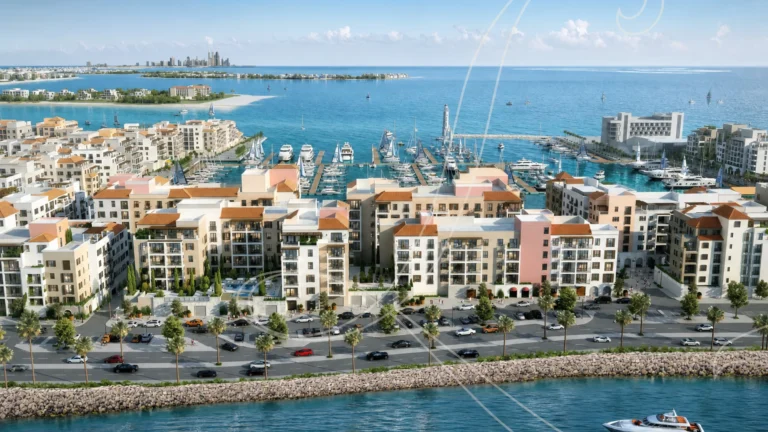
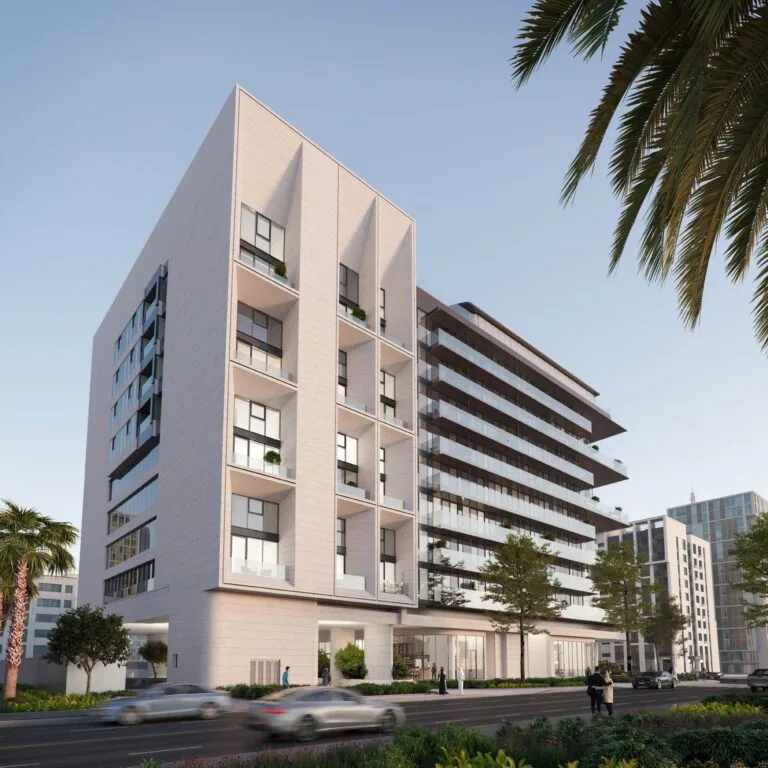
New-build projects (off-plan properties) are a key driver of the UAE real estate market. Developers actively launch residential complexes with apartments, townhouses and villas in different segments – from affordable to luxury. For expats and investors, off-plan properties are often attractive because of staged payment plans and the potential for capital appreciation between the launch and completion of the project.
In Dubai, off-plan sales are regulated and registered, and buyers receive a specific form of registration for under-construction units. This provides transparency of ownership rights during the construction period. Many developers offer ready-made interior finishes, built-in kitchens and bathrooms, and in some cases furniture packages, which simplifies the move-in or rental process after handover.
In 2026, off-plan projects are expected to remain a significant part of the market structure, especially in emerging communities and large master developments where infrastructure is being built in stages.
Simplicity of Buying Property
One of the reasons Dubai is attractive to expats is the relatively straightforward purchase process. For many transactions, especially cash purchases, the buyer needs only a small set of documents, and the entire process from selection to registration can be completed in about 1–2 months, including mortgage approval if financing is used.
Key features of the process:
- minimal required documentation for individuals;
- standardised contracts and forms used in the market;
- clear procedures for registering ownership with the Dubai Land Department (DLD);
- the possibility to complete a transaction remotely via a power of attorney and digital tools;
- the option to pay in cash, via bank transfer, through mortgage financing, and in some cases via cryptocurrency (subject to the policies of the developer or intermediary).
For expats who are used to complex procedures in their home countries, the Dubai process often appears more streamlined, provided they work with a professional broker or legal advisor and follow all regulatory requirements.
Obtaining UAE Residency Through Property
Buying property in the UAE can give an expat the right to obtain a residence visa. The specific visa type and validity period depend on the value of the property and other conditions set by the authorities.
Key thresholds mentioned in current practice include:
- so-called “Golden Visa” for 5 or 10 years when purchasing property worth from AED 2,000,000 (around USD 545,000);
- residency for 2 years with the possibility of renewal when purchasing property from AED 400,000 per co-owner (with no minimum at all if there is a single owner).
These thresholds are indicative and linked to the value of the property as recognised by the authorities. The visa allows the owner to reside in the UAE, and in many cases to sponsor family members, subject to the applicable rules. In 2026, property-linked residency is expected to remain one of the key drivers of demand from expats who want both a home and a long-term status in the country.
High Rental Yields
Rental income is one of the main reasons why investors and expats buy apartments in Dubai. Depending on the type and location of the property, rental yields typically range from about 5% to 10% per year. The spread is explained by several factors:
- community type (waterfront, central business district, suburban villa community, emerging area);
- property type (studio, one-bedroom apartment, townhouse, villa, penthouse);
- quality of the building and amenities (pool, gym, concierge, parking, community facilities);
- demand from tenants in a specific micro-location (proximity to metro, offices, schools, beaches).
Many investors buy apartments for short- to medium-term investment horizons, especially in the luxury segment, where demand can exceed supply and prices tend to grow faster in active market phases. In 2026, rental yields will remain a key metric for evaluating Dubai property investments, alongside capital appreciation potential and service charge levels.
No Personal Taxes on Property
For individuals, the UAE does not levy taxes on property ownership, dividends, interest or wealth. This is a fundamental factor for many expat investors who come from jurisdictions with property taxes, capital gains taxes or taxes on global income.
For legal entities, a corporate tax of 9% applies from 1 June 2023, but only to companies with income above AED 375,000 (around USD 100,000), excluding oil and gas companies and branches of foreign banks, which are subject to separate regimes. For many individual investors who buy apartments in their own name, this corporate tax is not directly relevant.
At the same time, buyers should consider other recurring costs associated with property ownership in Dubai, such as service charges for building maintenance and community services, utilities, and, where applicable, property management fees. These are not taxes but they affect net yield and should be factored into investment calculations.
High Level of Safety
The UAE is considered one of the safest countries in the world. The crime rate is low, and Dubai’s streets are under round-the-clock video surveillance. For expats and families, this is a critical factor when choosing a place to live and invest.
Safety in Dubai is supported by:
- visible law enforcement presence;
- extensive CCTV coverage in public areas and many residential communities;
- strict regulation of public order;
- high standards of building safety and fire regulations.
In 2026, safety will remain one of Dubai’s strongest competitive advantages compared with many other global cities, especially for families with children and single professionals relocating for work.
High-Quality Healthcare
Dubai has around 500 medical facilities, many of which serve foreigners under health insurance schemes. There are approximately 180 medical specialists per 100,000 residents. For expats, this means access to a wide range of healthcare services, from primary care to specialised treatment.
Key features of the healthcare system relevant to property buyers:
- mandatory health insurance for residents, usually provided by employers or arranged individually;
- private hospitals and clinics with international accreditation;
- availability of English-speaking medical staff;
- proximity of medical facilities to major residential communities.
When choosing a district to live in, expats often consider the distance to hospitals and clinics, especially families with children and elderly relatives. In 2026, the integration of healthcare infrastructure into major master communities will remain an important factor in community planning.
Can an Expat Buy Apartments in Dubai?
Foreigners can buy property in Dubai, but only in specific zones designated by the emirate. The legal framework distinguishes between several types of rights: freehold, leasehold, usufruct, musataha and commonhold. Understanding these concepts is essential for any expat planning a purchase.
Freehold
Freehold zones are areas where foreigners can own property with full ownership rights. There are more than 60 such zones in Dubai. In freehold areas, an expat can:
- buy an apartment, townhouse, villa or other property type;
- register full ownership with the Dubai Land Department;
- sell, gift or bequeath the property;
- rent it out on a long-term or, subject to regulations, short-term basis.
For most expat buyers, freehold is the preferred form of ownership because it provides the highest degree of control and flexibility. In 2026, the majority of popular expat communities will remain within freehold zones.
Leasehold
Leasehold zones allow foreigners to acquire long-term lease rights, typically up to 99 years. In such arrangements, the expat does not own the land outright but holds a lease with rights similar to ownership for the duration of the lease.
Key characteristics of leasehold:
- maximum term usually up to 99 years;
- certain restrictions on transfer and use compared with freehold;
- priority rights of local citizens in some cases;
- need to carefully review the lease contract terms, including renewal options and obligations.
Leasehold can be suitable for buyers focused on a specific time horizon (for example, 30–50 years), but it requires more detailed legal analysis than standard freehold purchases.
Usufruct
Usufruct is a form of long-term right that allows the holder to use a property and receive income from it, without the right to fundamentally alter the property. In practice, this means:
- the usufruct holder can occupy the property or rent it out and collect rent;
- structural changes or major alterations are restricted or prohibited;
- the underlying ownership of the property remains with another party.
For expats, usufruct can be relevant in specific projects or structures where the developer or landowner retains the underlying title but grants long-term usage rights. In 2026, such structures will continue to exist alongside standard freehold and leasehold arrangements.
Musataha
Musataha is a right to use land for a specified period (often up to 50 years) with the right to build on it and lease out the constructed property. Key features:
- the musataha holder can develop the land (for example, build a residential or mixed-use project);
- the holder can rent out or otherwise exploit the constructed buildings during the musataha term;
- after the term expires, rights revert according to the contract and applicable law.
Musataha is more common in development and investment projects than in standard retail purchases by individual expats. However, understanding the concept is useful, especially for those considering participation in larger investment structures in 2026.
Commonhold
Commonhold is a form of joint ownership in multi-unit buildings, where individual owners hold title to their units and share ownership and responsibility for common areas. In practice, this means:
- each apartment owner has a separate title deed for their unit;
- owners collectively own and manage common property (lobbies, corridors, pools, gyms, parking, etc.);
- a management body or owners’ association oversees maintenance and service charges.
For expats buying apartments in Dubai, commonhold is the typical structure in many towers and residential complexes. Service charges are collected to maintain common areas, and their level directly affects the net yield of investment properties.
How an Expat Should Choose a District in Dubai
The choice of district depends on lifestyle, work location, family composition and budget. When evaluating communities, expats usually consider:
- proximity to the workplace or main business districts;
- availability of international schools and nurseries;
- access to public transport (metro, tram, buses) and main highways;
- distance to beaches, parks and leisure facilities;
- pet policies and availability of pet-friendly areas;
- noise levels and traffic congestion;
- service charge levels and quality of building management.
Below are some of the most popular districts among expats, each with its own profile and target audience.
Arabian Ranches
Arabian Ranches is a green villa and townhouse community that is particularly suitable for families with children. Key characteristics:
- low- to mid-rise development with villas and townhouses rather than high-rise towers;
- family-oriented environment with parks, playgrounds and community facilities;
- presence of international schools within or near the community;
- suburban feel with relatively quiet streets and private gardens.
For expats who prioritise space, privacy and a community atmosphere over immediate proximity to the sea or central business districts, Arabian Ranches is a strong candidate. In 2026, demand for family villas and townhouses in such communities is expected to remain stable.
Mirdif
Mirdif is an area with predominantly low-rise residential buildings and villas, located near Dubai’s academic and university zones. It is suitable for both students and families.
Key features:
- low- to mid-rise buildings and villa compounds;
- proximity to educational institutions and university campuses;
- more traditional and residential character compared with tourist districts;
- availability of local shopping centres and community services.
For expats who work or study in nearby educational hubs, Mirdif offers a practical balance between accessibility and a quieter residential environment. In 2026, it will remain attractive for those who do not need a waterfront location but value community infrastructure.
Dubai Marina
Dubai Marina is one of the most iconic waterfront districts in the city, known for its skyscrapers, beaches and vibrant lifestyle. It is ideal for expats who want to live by the sea and be in the heart of urban life.
Key characteristics:
- high-rise residential towers with a wide range of apartments and penthouses;
- marina promenade with restaurants, cafes and retail;
- proximity to public beaches and leisure facilities;
- good transport links, including metro and tram;
- strong demand from both long-term tenants and short-term visitors.
For investors, Dubai Marina is a classic rental market with stable demand. In 2026, it is likely to remain one of the most recognisable and liquid communities in Dubai, especially in the mid- to upper-price segments.
Business Bay
Business Bay is a central business district with a mix of office towers and residential buildings. It is particularly suitable for young professionals and expats working in nearby commercial areas.
Key features:
- high concentration of offices and commercial spaces;
- numerous residential towers with apartments of various sizes;
- proximity to Downtown Dubai and major business hubs;
- urban lifestyle with restaurants, cafes and hotels.
For expats who want to minimise commute times and live close to work, Business Bay is an efficient choice. In 2026, it will continue to attract tenants and buyers who prioritise central location and business connectivity.
DAMAC Hills
DAMAC Hills is a large master community with a golf club, retail centres and schools. It offers a mix of apartments, townhouses and villas in a planned environment.
Key characteristics:
- integrated community with residential clusters, parks and sports facilities;
- golf course and related leisure infrastructure;
- schools and nurseries within or near the community;
- combination of mid-rise buildings and low-rise villas/townhouses.
For expats who value a self-contained community with recreational facilities, DAMAC Hills is an attractive option. In 2026, such master-planned communities will remain popular among both end-users and investors seeking diversified tenant demand.
What Else an Expat Should Consider When Choosing a District
Beyond the basic characteristics of each district, expats should pay attention to several additional factors that directly affect comfort of living and investment performance:
- Schools and nurseries: availability of international curricula, commute times for children, waiting lists.
- Transport: access to metro stations, bus routes, main roads; typical traffic patterns during peak hours.
- Pet policies: whether pets are allowed in buildings and common areas; availability of parks and walking zones.
- Noise and environment: proximity to major roads, construction sites, entertainment venues.
- Service charges: annual cost per square metre for building and community maintenance; impact on net rental yield.
- Future development: planned infrastructure (malls, schools, metro lines) that may increase attractiveness over time.
In 2026, with ongoing urban development, understanding future infrastructure plans around a chosen community will remain an important part of due diligence for expat buyers.
What to Pay Attention to When Choosing a Property
After selecting a district, the next step is to choose a specific property. Here, expats should consider property type, price, developer reputation and legal/technical aspects.
Property Type
Dubai offers a wide range of residential property types, each with its own profile of costs, yields and lifestyle characteristics:
- Villas and cottages: detached or semi-detached houses with private plots, gardens and often private pools. They are more expensive than apartments but offer more space and privacy. Suitable for families and long-term residents.
- Apartments: the most common type for expats and investors. They vary widely in size (from studios to large multi-bedroom units), layout, finish quality and amenities. Apartments are easier to rent out and manage.
- Penthouses: luxury apartments on the top floors of buildings, usually with panoramic views, large terraces and premium finishes. They target high-net-worth individuals and can show strong capital appreciation in prime locations.
- Townhouses: multi-level homes that share walls with neighbours, offering a compromise between apartments and villas. They often come with small gardens or terraces and are popular with families seeking more space at a lower price than standalone villas.
In 2026, the choice between these types will still depend on the buyer’s lifestyle, budget and investment strategy (for example, focus on yield vs. capital growth).
Price
Price is determined by location, property type, size, view, floor level, building age and amenities. When assessing affordability, expats should consider not only the purchase price but also:
- transaction costs (registration fees, commissions, administrative charges);
- ongoing service charges and maintenance costs;
- potential renovation or furnishing expenses;
- financing costs if using a mortgage (interest, fees, insurance).
In 2026, with continued market activity, price sensitivity will remain high among both end-users and investors. A detailed financial model that includes all costs and realistic rental income assumptions is essential before committing to a purchase.
Developer Reputation
Before buying, especially in off-plan projects, it is crucial to check the developer’s reputation. Key aspects include:
- track record of completed projects and delivery timelines;
- quality of construction and finishes in existing buildings;
- feedback from current owners and tenants;
- transparency of payment plans and contractual terms;
- history of resolving defects and maintenance issues.
Working with established developers reduces the risk of delays and quality problems. In 2026, as the number of projects grows, differentiation by developer reputation will become even more important for expats who want predictable outcomes.
How an Expat Can Buy Apartments in Dubai
The purchase process differs slightly depending on whether the property is ready (completed) or off-plan (under construction), and whether the buyer uses cash, developer instalments or a mortgage. Below are the main scenarios.
Buying Ready Apartments
For completed properties, the process typically includes the following steps:
- Selection and negotiation: the buyer chooses a property, often with the help of a real estate agency that has access to both public listings and closed offers. Price and terms are negotiated with the seller.
- Contract F (Memorandum of Understanding): the parties sign a standardised contract known as Form F, which records the agreed price, payment terms and conditions. A deposit is usually paid at this stage.
- NOC (No Objection Certificate): the seller obtains an NOC from the developer or building management confirming that there are no outstanding service charges or other dues on the property.
- Transfer at the Dubai Land Department: the buyer and seller (or their authorised representatives) attend the transfer appointment, pay the remaining amount and registration fees, and the buyer’s ownership is registered.
- Issuance of Title Deed: the Dubai Land Department issues the Title Deed, the official certificate of ownership, in the buyer’s name.
For expats, the documentation required is usually minimal – primarily a passport and, where applicable, a residence visa and proof of address or source of funds, depending on the transaction structure and bank requirements.
Buying Property at the Construction Stage (Off-Plan)
For off-plan properties, the process is slightly different:
- Project and unit selection: the buyer chooses a project and a specific unit based on floor plans, brochures, show apartments and the developer’s track record.
- Reservation form: instead of Form F, a reservation or booking form is signed with the developer, detailing the unit, price and payment plan.
- Deposit payment: the buyer pays a booking deposit as specified by the developer.
- Sales and purchase agreement: the main contract is signed, setting out construction timelines, handover conditions and other obligations.
- Registration of the off-plan purchase: the transaction is registered with the relevant authority, and the buyer receives documentation confirming their rights to the under-construction unit.
- Staged payments: payments are made according to the agreed schedule, often linked to construction milestones.
- Handover and final settlement: upon completion, the developer hands over the unit, and the buyer pays any remaining balance and receives the final ownership documentation.
In 2026, off-plan purchases will remain popular among investors who are comfortable with construction risk and seek potential price growth between launch and completion.
Buying with Developer Instalment Plans
Many developers in Dubai offer interest-free instalment plans, especially for off-plan projects. These plans can cover the construction period and, in some cases, extend beyond handover.
Key features of such plans:
- no interest charged by the developer on instalments;
- fixed schedule of payments (for example, a percentage on booking, then staged payments during construction and a final payment on handover);
- sometimes post-handover payment plans, where part of the price is paid after the unit is delivered.
For expats who do not want or cannot obtain a bank mortgage, developer instalments provide an alternative form of financing. However, buyers should carefully assess their ability to meet the payment schedule, as non-compliance can lead to penalties or cancellation under the contract.
Final Stage of the Transaction
Regardless of the purchase type, the final stage involves registration with the Dubai Land Department and issuance of the Title Deed. The typical sequence is:
- verification that all contractual conditions have been met (payments, NOC, mortgage arrangements if applicable);
- submission of required documents to the Dubai Land Department;
- payment of registration fees and any administrative charges;
- transfer of ownership and issuance of the Title Deed in the buyer’s name or, in the case of a mortgaged property, in the buyer’s name with the bank’s interest recorded.
For expats, it is important to keep the Title Deed and related documents safely, as they are required for future resale, refinancing or visa applications.
Buying Property with a Mortgage as an Expat
Foreigners can obtain mortgage financing in Dubai, subject to age and affordability requirements. Banks assess the borrower’s ability to service the loan and their credit history.
A key rule is that monthly debt payments (including the new mortgage and any existing loans or credit cards) should not exceed 50% of the borrower’s income. This is known as the debt burden or credit load limit.
Submitting a Mortgage Application
To apply for a mortgage, an expat typically needs to provide:
- passport;
- residence visa (if available);
- proof of income (salary certificate, bank statements, tax returns or other documents depending on employment type);
- employment or business details;
- information on existing debts and financial obligations.
The bank analyses the applicant’s financial profile, including income stability, employment history and credit behaviour in the UAE and, where relevant, abroad. In 2026, digital verification tools and open banking practices are expected to further streamline this process.
Receiving a Mortgage Offer
After reviewing the application, the bank issues a mortgage offer (approval in principle or final approval), which specifies:
- maximum loan amount;
- interest rate and type (fixed for a period or variable);
- loan tenure;
- required down payment;
- fees and insurance requirements.
Once the offer is accepted, the borrower usually has 30–90 days to find and secure a property that fits within the approved parameters. This period allows the expat to search for suitable apartments with confidence about their financing capacity.
Completing a Transaction with a Mortgage
When buying with a mortgage, the transaction structure includes the bank as a party:
- Property selection: the buyer chooses a property that meets the bank’s criteria (for example, approved building, acceptable age and condition).
- Valuation: the bank arranges a valuation of the property to confirm its market value and ensure the loan amount is appropriate.
- Final approval: based on the valuation and property details, the bank issues final approval and prepares mortgage documents.
- Transfer and registration: at the Dubai Land Department, the bank pays the seller the financed portion, the buyer pays the down payment and fees, and the property is registered in the buyer’s name with the bank’s mortgage recorded.
- Title Deed custody: the Title Deed is typically held by the bank as security until the mortgage is fully repaid.
In 2026, mortgage products for expats are expected to remain an important tool for accessing the Dubai property market, especially for end-users and long-term investors.
Registration Fees and Additional Costs When Buying Property
When planning a purchase, expats should budget for additional costs, which can amount to approximately 6–9% of the property price. These costs typically include:
- registration fees payable to the Dubai Land Department;
- administrative fees for issuing the Title Deed;
- agency commission if a real estate broker is involved;
- mortgage registration fees if financing is used;
- developer or building management fees related to NOC issuance;
- initial service charge payments and utility connection deposits.
Exact amounts depend on the property price, transaction structure and whether a mortgage is involved. In 2026, these transaction costs will remain a standard part of the Dubai property purchase process and should be factored into all financial calculations.
In a Nutshell
Expats can buy property in designated zones of Dubai using cash, mortgages, developer instalment plans, cryptocurrency (where accepted) or remote transaction structures. The entire process typically takes 1–2 months from selection to registration, including mortgage approval if applicable.
Key takeaways for expats considering Dubai property in 2026:
- the market remains active, with strong demand from international buyers and a wide choice of freehold communities;
- property ownership can provide a path to UAE residency, including multi-year visas linked to investment thresholds;
- rental yields in the range of about 5–10% per year make Dubai attractive for income-focused investors;
- absence of personal taxes on property, dividends, interest and wealth enhances net returns;
- high safety and quality healthcare support Dubai’s position as a long-term residence destination;
- understanding ownership structures (freehold, leasehold, usufruct, musataha, commonhold) is essential before buying;
- choice of district and property type should align with lifestyle, budget and investment strategy;
- due diligence on developer reputation and careful assessment of all costs (including service charges) are critical;
- mortgage financing is available to expats, subject to affordability rules and documentation.
With proper preparation, professional advice and a clear understanding of the legal and financial framework, buying an apartment in Dubai can be a transparent and efficient process for expats seeking both a home and an investment in 2026.
See also: rental yield by area in Dubai.
Estimate your mortgage
Monthly payment, income-based eligibility and purchase costs (DLD, registration, trustee) — in our Dubai mortgage calculator.
Open the calculator