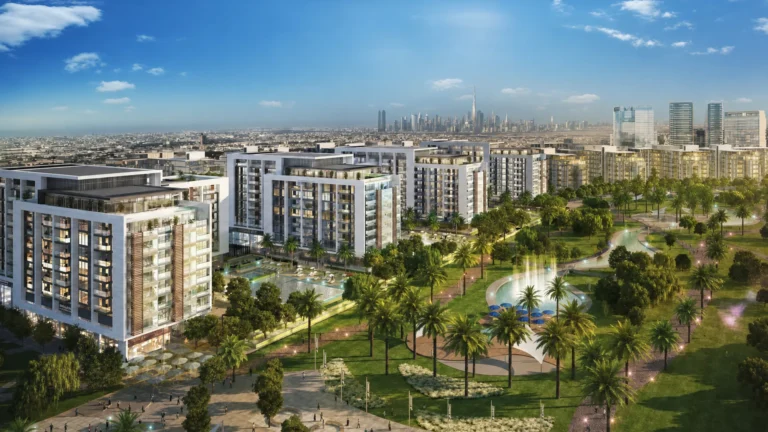
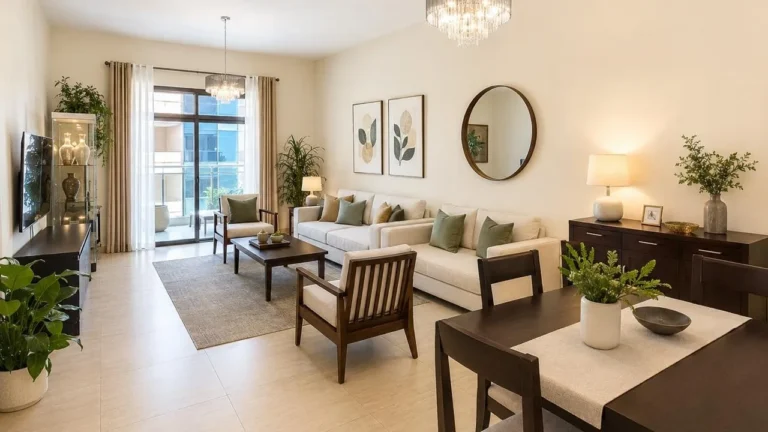
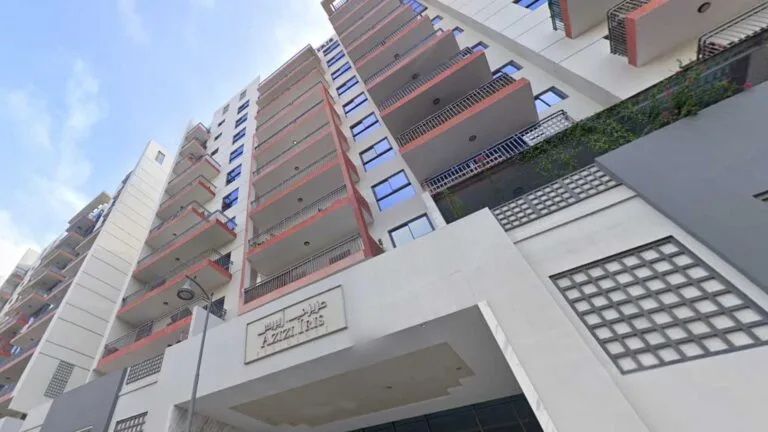
Jebel Ali First is a district of Dubai, 1.2 km from The Gardens Metro Station, 28 listings available with us.
Jebel Ali First sits at the southern end of Dubai’s coastline within the wider Jebel Ali area. The locality is part of a long-established industrial and logistics corridor defined by the port and the adjacent free zone. Residential pockets and refurbished compounds coexist with large-scale commercial infrastructure and long-term masterplans that will change the shoreline and the landward side of the district over coming years.
Jebel Ali First is a coastal locality that forms part of the larger Jebel Ali district. The district is notable for Jebel Ali Port — the largest marine terminal in the Middle East and ranked among the top container ports globally — and for Jebel Ali Free Zone (Jafza), the dedicated industrial and logistics zone established in 1985. Jafza hosts thousands of companies from manufacturing, trade, logistics and supporting services and plays a major role in Dubai’s trade flows and employment base.
The immediate setting of Jebel Ali First combines industrial infrastructure and older residential compounds. Palm Jebel Ali and related waterfront masterplans occupy land off the coast, while parts of the Dubai Waterfront and new community concepts are in various stages of planning and delivery along the same coastal corridor.
Public transport and road connections link Jebel Ali First to the rest of Dubai and to regional gateways. The Red Line of the Dubai Metro terminates in the Jebel Ali area, with the nearest station approximately 1,243 metres from the locality.
As part of the wider Jebel Ali district, the metro network includes three stations commonly cited for the area: Jebel Ali, Danube and Energy. Typical metro journey times from Jebel Ali to central destinations are roughly 30 minutes to the Dubai Mall area and about 60 minutes to Dubai International Airport.
By road, representative drive times from Jebel Ali First are approximately 24 minutes to Dubai Mall, 16 minutes to Palm Jumeirah, 22 minutes to Burj Al Arab and 17 minutes to The Walk, JBR. Dubai International Airport (DXB) is around 49 minutes away by car, while Al Maktoum International Airport is approximately 22 minutes away. Actual times vary with traffic and time of day.
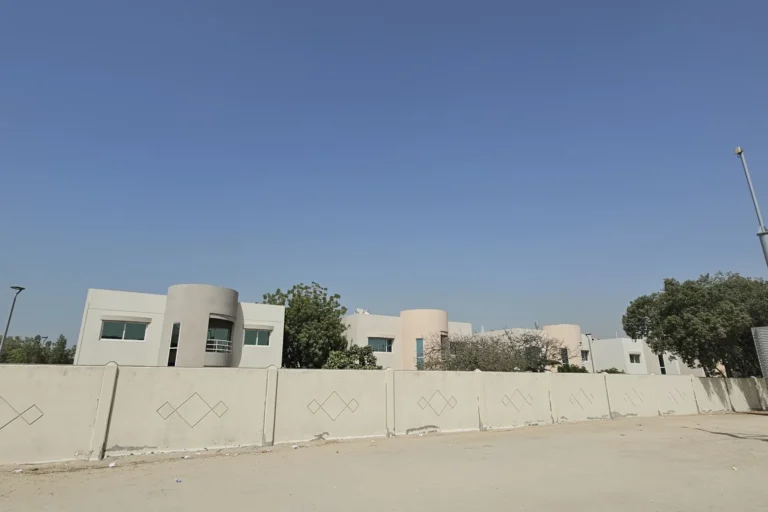
The dominant land use through much of Jebel Ali remains industrial, port-related and logistics operations. Residential provision has historically been limited and concentrated in older compounds such as Jebel Ali Village, built in the 1970s and subsequently refurbished to provide lower-rent housing. The village and similar pockets supply accommodation primarily for workers and families connected with nearby employment nodes.
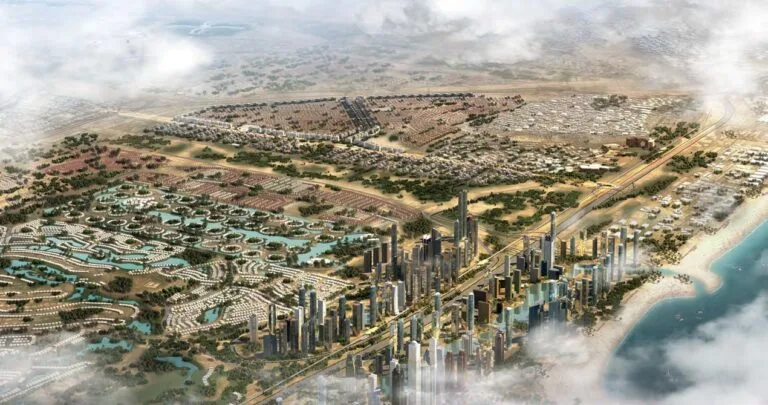
Several large masterplans and developer initiatives have been proposed for the coastal strip and the land side of the waterfront. Nakheel developments figure prominently in these plans. On the seafront, Palm Jebel Ali occupies the offshore area. On the mainland, the former Dubai Waterfront site is the base for Madinat Al Arab, where apartment construction has been included in the masterplan. Nakheel’s Veneto is an example of delivery on the landward side of the Waterfront Canal: a residential cluster where 177 villas and townhouses were completed for lease within a wider community concept envisaging around 1,400 villas and townhouses and about 1,200 low-rise apartments in total.
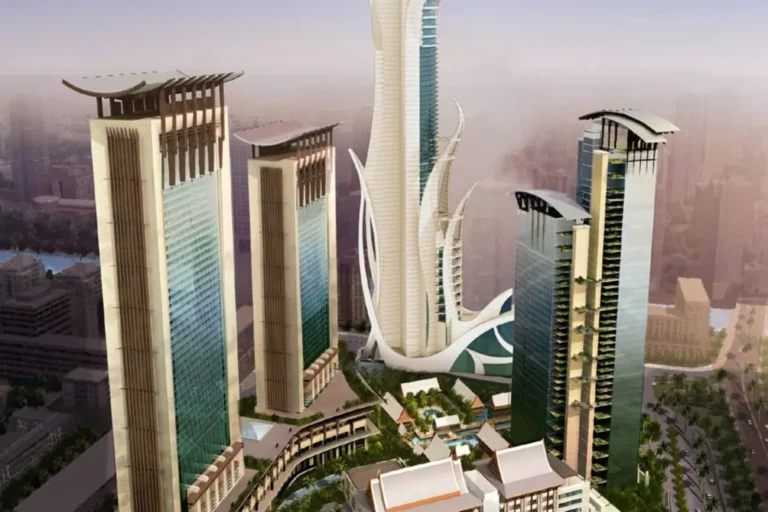
Downtown Jebel Ali is another major planned initiative: a roughly 200-hectare mixed-use community extending for approximately 11 kilometres along Sheikh Zayed Road. The scheme includes third-party plots for apartments, hotels, offices and retail. Several proposals in the area were affected by the 2008 market downturn and later revised and reissued for tender.
Jebel Ali Free Zone continues to be a growth engine for employment and trade. The free zone has expanded from only a handful of firms at its inception to a community numbering several thousand companies, with a workforce in the hundreds of thousands. The port and free zone together handle a substantial share of Dubai’s exports and international trade throughput.
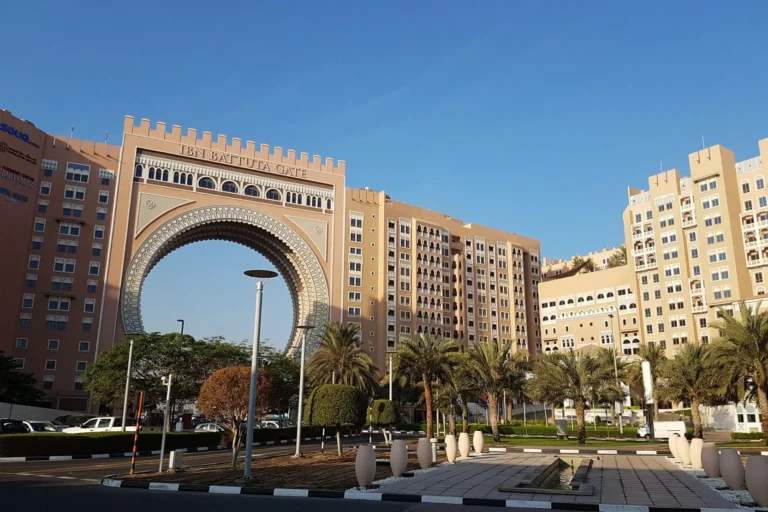
Retail and leisure within Jebel Ali First are limited compared with central Dubai. Nearby leisure and shopping anchors include Ibn Battuta Mall, a themed regional shopping destination with six styled courts, around 275 shops, some 50 restaurants and a large cinema complex including an IMAX screen. For recreational shooting sports, there is a shooting club in the wider Jebel Ali area. Dubai Marina and JBR are within a short drive and provide expanded dining, leisure and marine activity choices for residents prepared to travel beyond the immediate locality.
Is Jebel Ali First primarily residential?
No. The area is predominantly industrial and logistics-oriented, with residential pockets and older compounds providing most of the local housing.
How do I commute to central Dubai from Jebel Ali First?
The Red Line of the Dubai Metro serves the wider Jebel Ali district via stations such as Jebel Ali, Danube and Energy; typical metro travel to the Dubai Mall area is around 30 minutes. By car, representative drive times to central attractions are in the range of 15–30 minutes depending on destination and traffic.
Are there large development plans in the area?
Yes. The coastline and landward sites around Jebel Ali have several masterplans and phased projects, including waterfront schemes and mixed-use communities such as Downtown Jebel Ali and Nakheel’s planned expansions on the former Dubai Waterfront site.
Who lives in Jebel Ali First?
The resident profile is a mixture of workers employed in port, free zone and industrial operations, families in long-established compounds and occupants of purpose-built rental villas and townhouses in nearby communities.
Machine-readable mirrors of this page: Markdown · JSON. Every field carries its origin.
How to cite:Jebel Ali First — Continental Club Property, 2026-07-30, https://continentalclub.ae/location/jebel-ali-first/
The figures below come from registered Dubai Land Department transactions, not from listings. We show the median rather than the mean, so that one-off penthouses do not distort it.
The yearly figure compares the last 12 months with the 12 before them. Calendar years would not work here: the current one is unfinished, so the comparison would understate the change. The median across the whole district moved +18% over the same year — that gap reflects which buildings came to market, not existing homes changing in price.
From 2022 to 2025 — +27% on the price per square metre across 16 buildings that traded in both years.
For comparison: the median across the whole district moved +38%. The gap between the two figures is not existing homes appreciating — it is newer, more expensive buildings entering the market. Returns on a purchase follow the first figure.
Top to bottom: purchase price per m², year, annual rent per m², gross yield. Showing the last 11 years, from 2016.
* 2026 is still in progress, so its bar covers part of the year and is not directly comparable with the ones before it. The growth figure below uses completed years only.
All figures are medians rather than means: in thin years the mean swings with the mix of units and shows movement the market never had. The yield is gross — service charges are not published in the register, so they cannot be deducted honestly.
| Building | Deals | Price per m² |
|---|---|---|
| The Horizon at Sobha Central | 742 | 30 236 |
| The Eden at Sobha Central | 413 | 31 461 |
| The Tranquil at Sobha Central | 400 | 32 014 |
| The Serene at Sobha Central | 386 | 31 950 |
| The Pinnacle at Sobha Central | 381 | 35 201 |
| Taiyo Residences | 353 | 16 801 |
| HILLS VIEW AT WASL GATE | 257 | 15 959 |
| South Garden C | 254 | 13 657 |
| South Garden A | 242 | 14 181 |
| Sola Residences | 237 | 14 554 |
| South Garden B | 236 | 14 665 |
| South Garden E | 222 | 15 263 |
Linked names lead to our pages for those projects.
Source: Dubai Land Department transaction registry. Prices per square metre, sale transactions.
Dubai market as a whole: prices, transactions and trends (DLD data) →
Largest management companies in the area: V C M Community Management (17), Better Communities Owner Association Management (10), Stratum Owner Association Management Services (7).
Check any building’s service charge → All communities
RERA-approved 2026 budgets from the DLD service charge index (Mollak); residential buildings. Rate is AED per sq ft per year; YoY compares the same buildings in 2025.
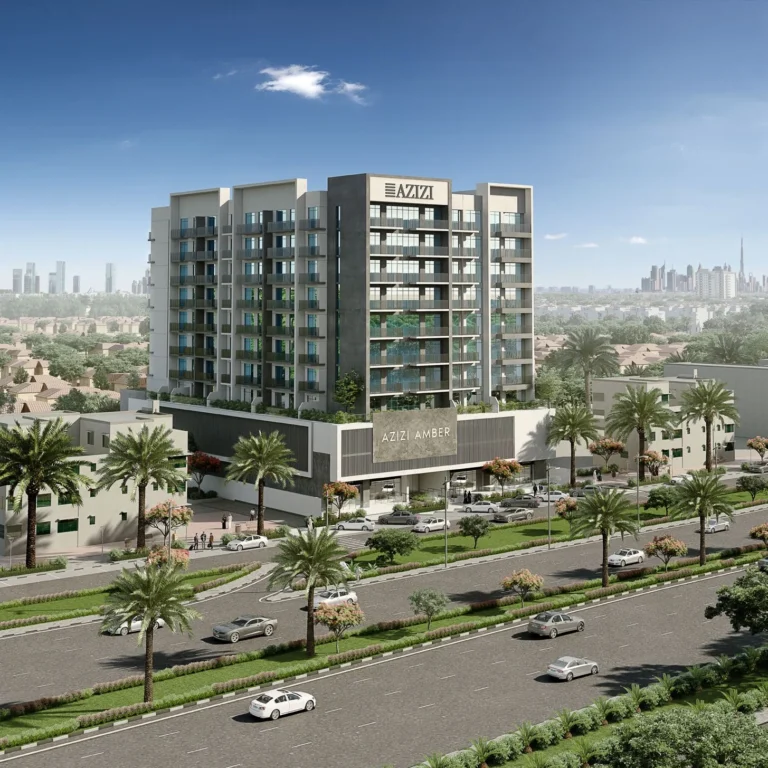






 Al FurjanJebel Ali First
 Al Muntazah ComplexJebel Ali First
 Arabian Canal City Phase 2Jebel Ali First
 Canal PointJebel Ali First
 Discovery GardensJebel Ali First
 Garden View VillasJebel Ali First
 Ibn BattutaJebel Ali FirstInternational Humanitarian CityJebel Ali First
 Jebel Ali Church ComplexJebel Ali First
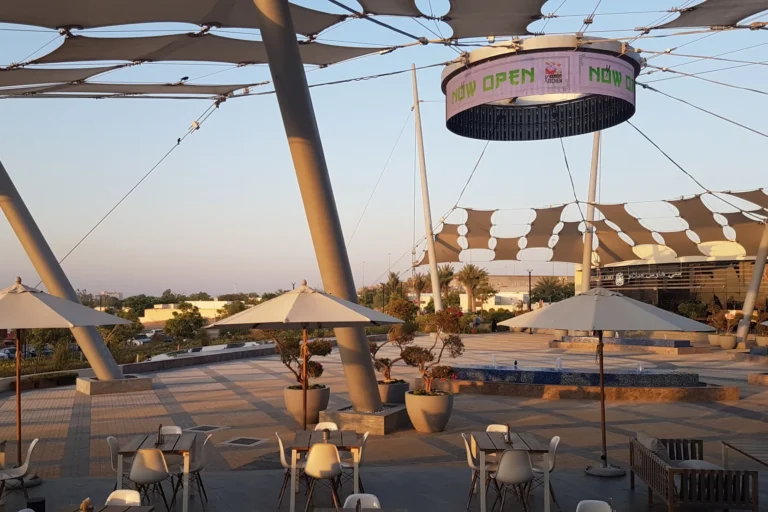 Jebel Ali ClubhouseJebel Ali First
 Jebel Ali Village Phase 1Jebel Ali First
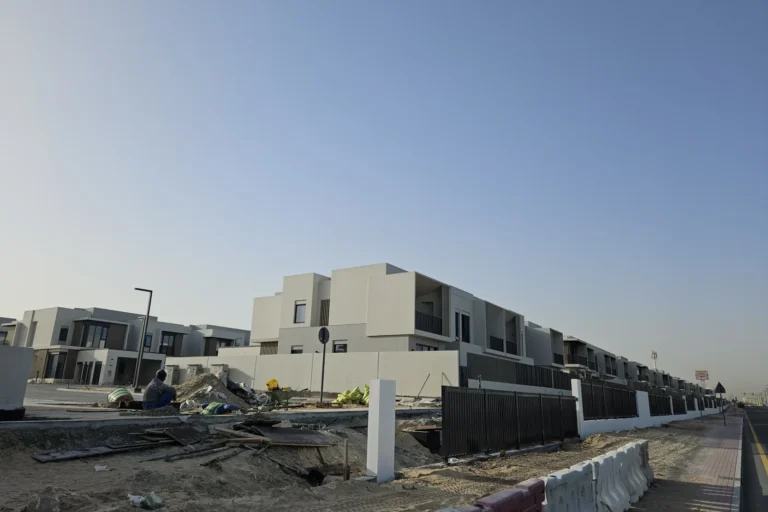 Jebel Ali Village Phase 2Jebel Ali First
 Jebel Ali Village Phase 3Jebel Ali First
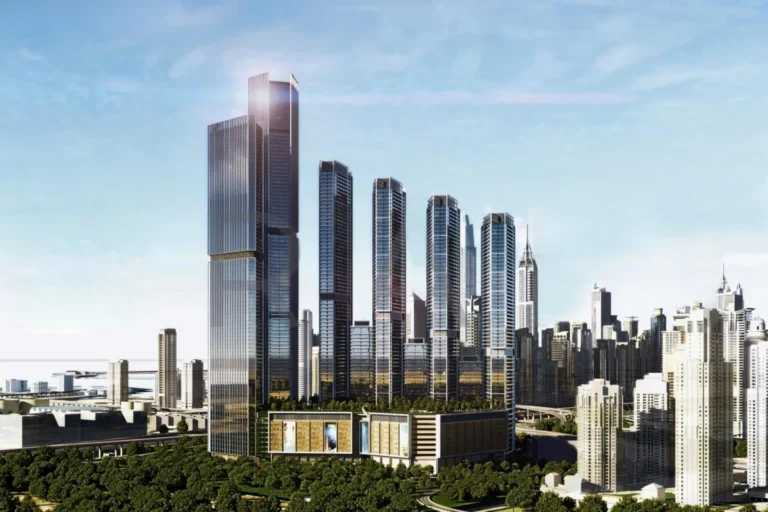 Sobha CentralJebel Ali First
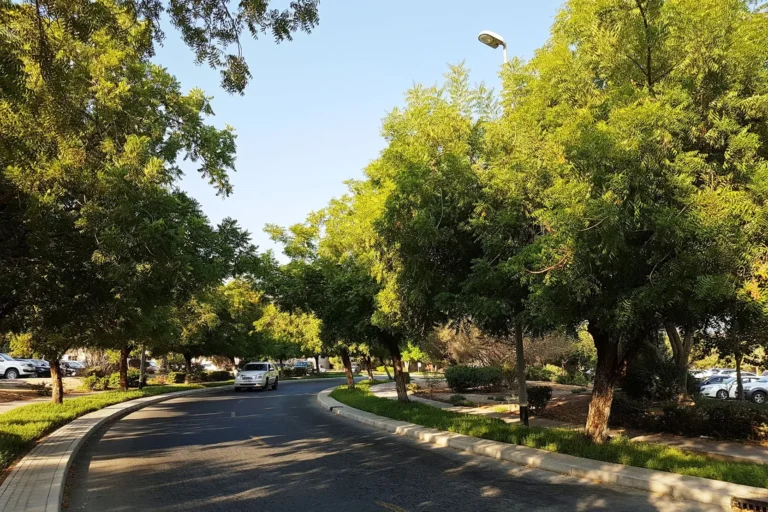 The GardensJebel Ali First
 Wasl GateJebel Ali First
Neighbouring areas and sub-communities to compare location and prices.