Dubai Safari Park is a large conservation-oriented wildlife destination located in Al Warqa 5, Dubai. Opened as a successor to the older city zoo, the park occupies a substantial site and combines animal habitats, educational theatres and visitor facilities arranged across themed villages connected by eco-friendly transport. The park operates seasonal programmes, hosts school engagement activities and stages special events such as its recently announced night safari and live performances.
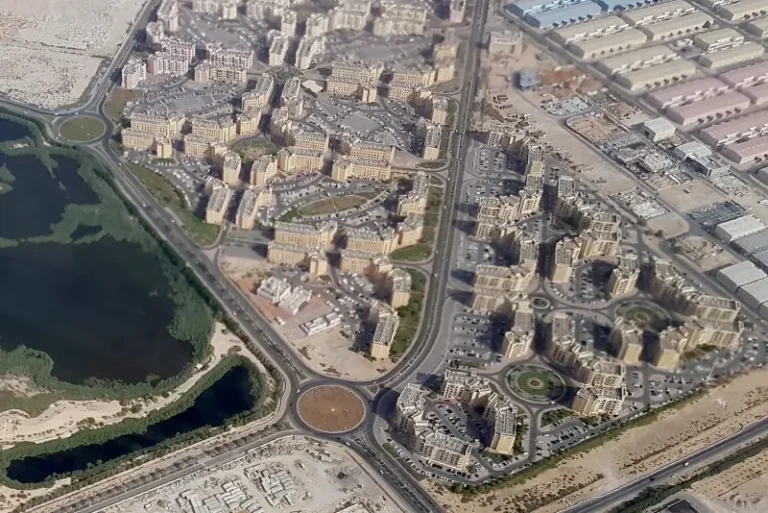
Dubai Safari Park covers approximately 119 hectares in the Al Warqa 5 area of Dubai. It was conceived to provide improved living conditions for animals previously housed in the city zoo and to establish a modern, conservation-focused attraction. The park is organised around several main villages that house species by geographic or ecological grouping; visitors move between these areas using solar-powered transport vehicles. At the time of the latest reporting the park is home to about 4,000 animals, with nearly 1,000 animals relocated from the former Dubai Zoo. The site is intended to expand further in phases and is planned to eventually host up to 10,000 animals.

Dubai Safari Park is not immediately adjacent to Dubai Metro stations. The nearest listed metro reference is the Red Line station coded R11, at a distance roughly 8.2 kilometres, which is not considered walkable. For car travel and road access, published journey-time references indicate travel times by road to key Dubai destinations: approximately 21 minutes to Dubai Mall, 32 minutes to Palm Jumeirah, 31 minutes to Burj Al Arab, and 36 minutes to The Walk, JBR. Dubai International Airport (DXB) is cited at around a 17-minute drive, while Al Maktoum International Airport is around a 47-minute drive. These journey times are indicative and depend on traffic conditions.
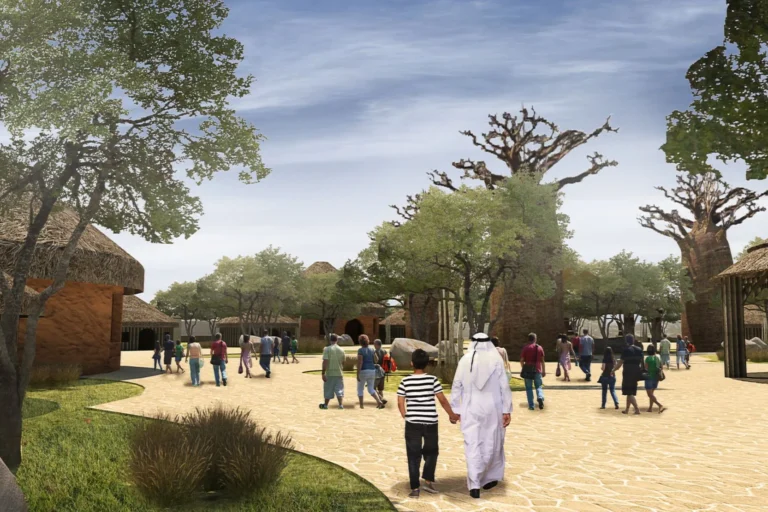
The park arranges animal displays across multiple villages, and provides specialised enclosures and non-exhibit holding areas for animal welfare and breeding. A number of features and facilities have been developed or planned to support both animal care and visitor experience:
Seasonal programming and events form an important part of the park’s calendar. In its latest reported season the park delivered over 52,700 safari tours and engaged nearly 45,000 students through educational initiatives and outreach activities. Community campaigns, such as the Baby Rhino Naming Campaign, have been used to increase public engagement and awareness.
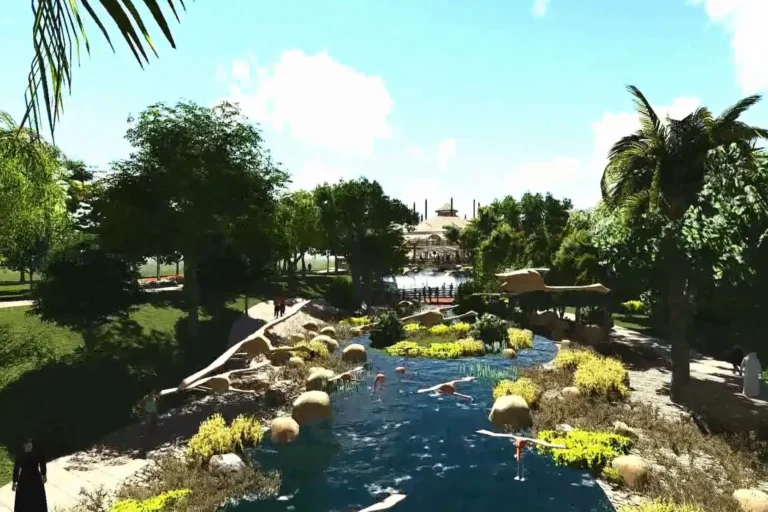
The park reports that it completed a season described as its most successful to date before a scheduled reopening on 1 October for its sixth season following a period of upgrades. A limited night safari experience was scheduled to run from 13 December 2024 to 12 January 2025, offering guided nocturnal tours and interactive activities supported by live performances including an African fire show. These evening programmes are presented as a temporary, seasonal addition to the core daytime visitor offer.
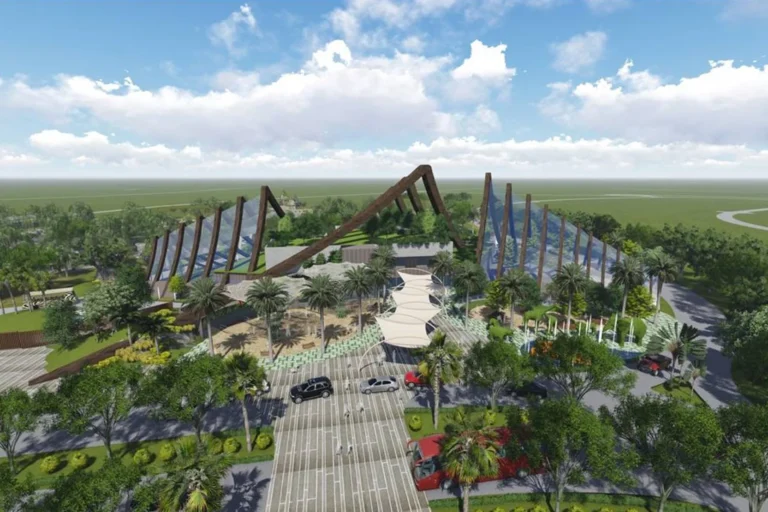
Dubai Safari Park is relevant for a number of visitor and community groups:
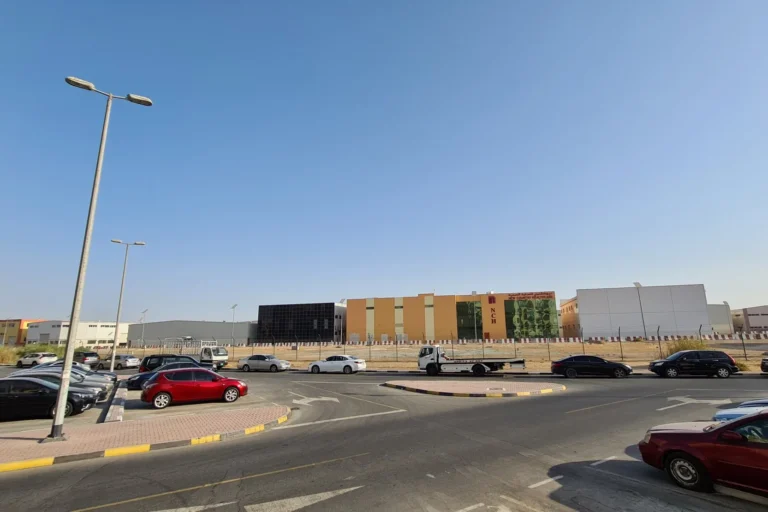
The immediate neighbourhood in Al Warqa 5 is also supported by nearby schooling options referenced in public materials: GEMS Al Khaleej International School at about 2.4 km and The School of Research Science at about 2.6 km. These proximate educational institutions reinforce the park’s role as a resource for organised school visits and curricular activities.
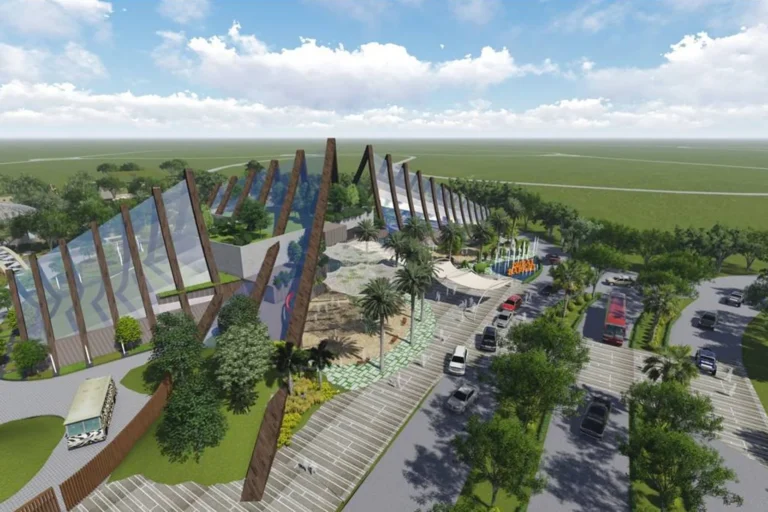
What is Dubai Safari Park?
Dubai Safari Park is a large wildlife park and conservation complex in Al Warqa 5 that replaced and expanded the city’s previous zoo facilities, with themed villages, breeding programmes and educational infrastructure.
How big is the park and how many animals does it house?
The park occupies about 119 hectares and, according to recent reporting, is home to around 4,000 animals, with plans to increase capacity in future phases up to the eventual target reported by the park.
Are there seasonal events or special programmes?
Yes. The park runs seasonal programming and special events; for example, a night safari was scheduled from 13 December 2024 to 12 January 2025, and the site reported a recent reopening date of 1 October for its sixth season after upgrades.
How do visitors move between areas inside the park?
Visitors are transported between the park’s major villages by solar-powered, eco-friendly vehicles, designed to minimise environmental impact while allowing access across the site.
Additional factual materials, maps and images of concept plans and realised development have been published by the park and by third-party property and tourism resources. This summary is based on reported operational information and public descriptions of Dubai Safari Park in Al Warqa 5.
Machine-readable mirrors of this page: Markdown · JSON. Every field carries its origin.
How to cite:Dubai Safari Park — Continental Club Property, 2026-07-30, https://continentalclub.ae/location/dubai-safari-park/
Dubai market as a whole: prices, transactions and trends (DLD data) →
Neighbouring areas and sub-communities to compare location and prices.