Renat BashirovUpdated: 29 August 202621 min read
Dubai’s property market is widely perceived as highly profitable, which is why it attracts both end-users and global investors. At the same time, the market has its own legal, financial, and practical nuances that are not always obvious to foreign buyers. Understanding these risks in advance is critical if you want to protect your capital, avoid legal issues, and secure stable rental income.
This guide explains the key risks when buying property in Dubai in 2026 and how to minimise them.
1. Risk of Misunderstanding: Freehold vs Leasehold and Market Specifics
1.1. Freehold and Leasehold: What Foreign Buyers Must Know
One of the first and most important risks for a foreign buyer in Dubai is a basic misunderstanding of what exactly they are buying. Not all properties in the emirate can be owned outright by foreigners. Dubai has a clear division between Freehold and Leasehold areas, and confusing these concepts can lead to incorrect expectations about ownership rights and investment potential.
Freehold zones are designated areas where foreign nationals can acquire full ownership of property or land. In Freehold areas, a foreign buyer can:
- Own the property in their name (or in the name of an eligible structure) with full ownership rights.
- Sell the property at their discretion.
- Rent it out on a long-term or short-term basis, subject to local regulations.
- Transfer the property through inheritance or gifting, in accordance with applicable laws.
Leasehold zones work differently. In these areas, full ownership is typically reserved for UAE citizens and, in some cases, citizens of certain other Arab countries. Foreign buyers in Leasehold areas generally do not receive full ownership of the property. Instead, they can obtain a long-term leasehold interest, usually for up to 99 years, with the possibility of renewal. This structure gives the right to use and benefit from the property, but it is not the same as Freehold ownership.
Because of this difference in rights, Leasehold properties are usually priced lower than comparable Freehold properties. However, the lower entry price does not automatically mean a better investment. The buyer must clearly understand:
- What exactly they will own (or lease) according to the title structure.
- What will happen to their rights at the end of the lease term.
- How easy it will be to resell such an asset to another foreign buyer.
Before committing to a purchase, it is essential to verify whether the property is in a Freehold or Leasehold area and to understand how this status affects ownership rights, resale potential, and long-term investment strategy.
1.2. Why You Should Not Buy “From Pictures Only”
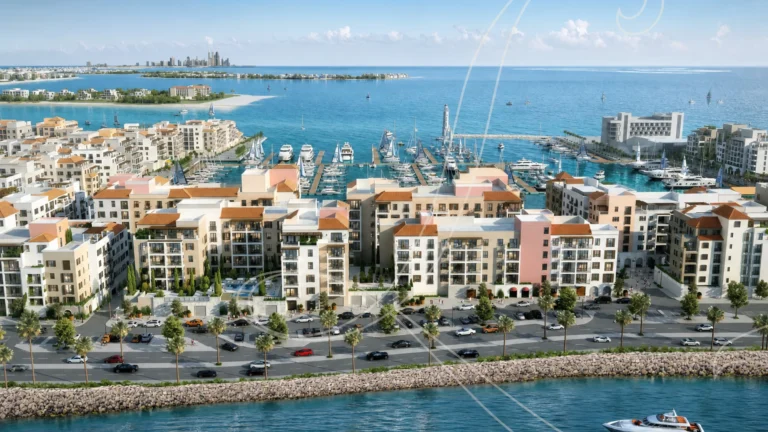
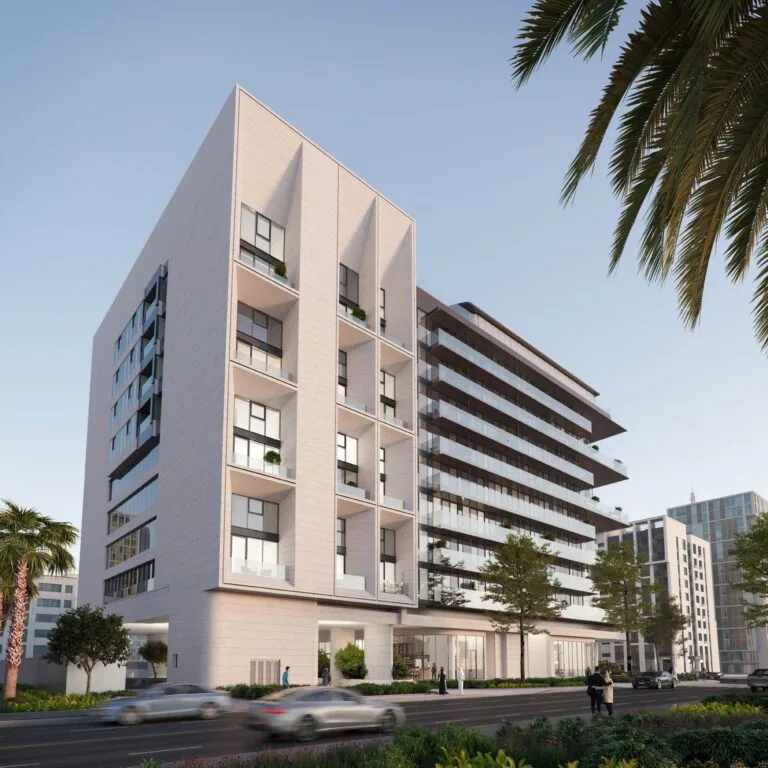
Another frequent source of misunderstanding is buying a property purely based on marketing materials. Whether you are considering a ready property or an off-plan unit under construction, relying only on renderings, brochures, and online photos is risky.
To reduce this risk, a buyer should:
- Visit the property or site in person whenever possible to see the actual location, surroundings, and construction progress.
- Meet the developer’s representative or a licensed broker to clarify all technical and legal details.
- Compare the chosen property with similar options of the same class in the same or nearby locations to understand whether the price and quality are reasonable.
For secondary (resale) properties, it is particularly useful to:
- Speak with current residents of the building or community.
- Ask about the performance of the property management company.
- Assess the actual condition of common areas, facilities, and building systems.
These steps help you form a realistic picture of the asset and avoid overpaying for a property that looks better in marketing materials than in reality.
2. Developer Reliability and RERA Registration
Related Articles
- How to sell an unit in Dubai in Jumeirah Village Triangle – analysis 2026
- How to buy a home in Dubai in sensoria at Five Luxe – analysis 2026
- ROI analysis of apartment in RITZ RESIDENCE: DLD data and real deals
- ROI analysis of apartment in CONCEPT 7 RESIDENCES: DLD data and real deals
- How to sell a property in Dubai in Sportz by Danube – analysis 2026
2.1. Why RERA Registration Matters
Dubai has significantly tightened control over real estate transactions and market participants. Nevertheless, there is always a risk of encountering unprofessional or unscrupulous intermediaries. When dealing with brokers and developers’ sales offices, it is crucial to ensure that they are properly registered with the Real Estate Regulatory Agency (RERA).
Working with RERA-registered brokers and developers helps reduce the risk of:
- Misleading information about the project or payment terms.
- Non-compliance with regulatory requirements.
- Improper handling of deposits and payments.
Before signing any documents or transferring funds, a buyer should verify the broker’s and developer’s registration status and ensure that all interactions are documented through official channels.
2.2. Assessing the Developer’s Track Record
Even when a developer is properly registered, there is still a risk that the final product will not match expectations. To minimise this, it is important to study the developer’s history and the reputation of its contractors.
Key aspects to review include:
- Completed projects – what types of properties the developer has delivered in the past and in which segments (affordable, mid-range, luxury).
- Quality consistency – whether previous projects are known for good construction quality, finishing, and maintenance.
- Feedback from buyers and residents – real user experience regarding defects, after-sales service, and response to issues.
Special attention should be paid to the developer’s specialisation. If a company that has historically built only affordable housing suddenly launches a luxury project, this should be a signal to investigate more deeply. Lack of experience in the luxury segment can affect:
- The quality of materials and finishes.
- The level of amenities and services.
- The ability to meet the expectations of high-end buyers and tenants.
In such cases, it is advisable to:
- Study the project documentation and specifications in detail.
- Review the profiles and track records of the main contractors and consultants.
- Consult independent experts who know the Dubai market and the developer’s reputation.
3. New Developments in the UAE: Off-Plan Specific Risks
3.1. Off-Plan vs Ready Property
Buying off-plan (under-construction) property in Dubai can offer attractive entry prices and flexible payment plans. However, it also carries specific risks that differ from those associated with ready properties.
With off-plan projects, the main risks include:
- Discrepancy between the final product and the marketing materials – the delivered unit may differ in layout, finishing quality, views, or common areas.
- Construction delays – the handover date may be postponed, affecting both end-users and investors planning rental income.
- Changes in the surrounding area – the actual development of the neighbourhood may differ from initial master plans and expectations.
With ready properties, the buyer can see exactly what they are purchasing, but may face other issues such as wear and tear, outdated building systems, or higher maintenance costs. In both cases, due diligence is essential, but the nature of the risks is different.
3.2. Infrastructure Development Timing
A frequent issue with new residential complexes in Dubai is the timing of infrastructure delivery. Often, the main building is completed and handed over first, while supporting infrastructure is built later. This may include:
- Retail outlets and supermarkets.
- Schools and nurseries.
- Healthcare facilities.
- Public transport links and road access.
- Parks, promenades, and recreational areas.
For investors planning to rent out their units, the absence of developed infrastructure at handover can be a serious problem. Tenants usually value convenience and amenities, and a lack of infrastructure can:
- Reduce the attractiveness of the property.
- Lower achievable rental rates.
- Increase vacancy periods.
Therefore, when evaluating a new project, it is important to analyse not only the building itself but also the realistic timeline for the development of the surrounding infrastructure and how this aligns with your investment horizon.
4. Property Quality: From Affordable to Luxury
4.1. Matching Segment and Developer Expertise
Dubai’s residential market covers a wide spectrum, from affordable apartments to ultra-luxury villas and branded residences. Each segment has its own standards for design, materials, amenities, and services. A key risk arises when there is a mismatch between the declared segment of the project and the actual capabilities and experience of the developer.
If a developer with a long history in affordable housing suddenly markets a project as “elite” or “luxury”, buyers should be cautious. Without prior experience in this segment, the developer may struggle to deliver:
- High-end interior finishes and fittings.
- Premium-level common areas and landscaping.
- Service standards expected by luxury buyers and tenants.
This can result in a property that is priced and marketed as luxury but perceived by the market as mid-range, which negatively affects both resale value and rental demand.
4.2. Practical Steps to Evaluate Quality
To reduce the risk of quality issues, buyers should:
- Inspect completed projects by the same developer in person, if possible, to see real finishing, common areas, and long-term wear.
- Talk to existing owners and tenants about defects, snagging, and how quickly issues are resolved.
- Review technical specifications in the sales and purchase agreement or related documents, paying attention to materials and brands where specified.
For off-plan purchases, it is also useful to understand who the main contractors are and whether they have a strong track record in similar projects.
5. Construction Delays and Handover Timing
5.1. Why Delays Are Common
Although developers in Dubai face significant penalties and contractual obligations if they miss agreed handover dates, most new developments are delivered with some delay. This is a structural risk that buyers must factor into their planning.
Construction delays can be caused by a variety of factors, including:
- Complexity of the project and changes during construction.
- Supply chain or contractor-related issues.
- Regulatory approvals and inspections taking longer than expected.
For end-users, delays mean postponing their move-in date and potentially paying rent longer than planned. For investors, delays can push back the start of rental income and affect cash flow projections.
5.2. How to Assess Delay Risk
To better understand the likelihood of delays, buyers should:
- Study the developer’s history on previous projects – whether they typically hand over on time or with delays, and how long those delays were.
- Review contractual clauses related to handover dates, grace periods, and any compensation mechanisms.
- Align their financial planning with a conservative timeline, assuming that some delay is possible.
By integrating potential delays into your financial model, you can avoid over-optimistic expectations and reduce the risk of cash flow stress.
6. Unforeseen Costs: Service Charges and Utilities
6.1. Underestimating the Total Cost of Ownership
Another common risk is underestimating the full cost of owning property in Dubai. Many buyers focus on the purchase price and perhaps the mortgage, but do not fully account for all additional expenses. These costs can vary significantly depending on the property type, community, and financing structure.
When planning a budget, a buyer should consider:
- Transaction-related costs – which may include various fees depending on the structure of the deal and whether a mortgage is used.
- Ongoing utility bills – particularly electricity, which can be substantial in Dubai’s climate, especially for larger units or villas.
- Service charges (maintenance fees) – regular payments for the upkeep of common areas, facilities, and building systems.
Service charges can be especially significant for apartments in buildings with extensive amenities such as pools, gyms, landscaped areas, and concierge services. Villas in managed communities may also have notable community service fees.
6.2. What to Check in Service Charges
Before buying, it is important to clarify:
- What exactly is included in the service charge – cleaning and maintenance of common areas, security, landscaping, facility management, etc.
- Whether future capital expenditures (for example, major repairs or replacement of key systems) are included or will require additional contributions from owners.
- How service charges have evolved over time in the building or community, if it is a secondary property.
Understanding these details helps you correctly calculate the net rental yield and long-term cost of ownership, which is crucial for investment decisions.
7. Payment Plans, Installments, and Mortgage Risks
7.1. Attractive Payment Plans: Hidden Risk
Developers in Dubai often promote very attractive payment plans to stimulate sales, especially for off-plan projects. Common structures include, for example, 20/80 or 30/70 plans, where the buyer pays a relatively small portion during construction and a large final instalment at or after handover.
While these plans look appealing, they can be risky if the buyer’s future financial capacity is uncertain. A typical risky scenario is when a buyer:
- Pays a small initial amount during construction.
- Plans to cover the large final payment in a few years using expected income growth, business profits, or a future mortgage.
If, by the time the large payment is due, the buyer’s income has not increased as expected, or if they are unable to obtain a mortgage, they may face serious financial difficulties. In such cases, the owner may be forced to sell the property urgently, often at a significant discount, just to cover the outstanding amount.
It is also important to remember that in Dubai, debt issues are treated very seriously. Failing to meet financial obligations can have legal consequences. Therefore, buyers should adopt a conservative approach when evaluating their ability to meet future instalments.
7.2. Mortgage-Related Risks
When a buyer plans to use a mortgage to cover part of the purchase price, additional risks arise:
- Approval risk – there is no guarantee that a bank will approve a mortgage in the future, especially if the buyer’s financial situation changes.
- Affordability risk – monthly instalments must remain manageable even if personal income fluctuates.
- Interest and fee structure – buyers must understand all costs associated with the mortgage, not just the headline rate.
To reduce these risks, it is advisable to:
- Base your calculations on conservative income assumptions.
- Avoid relying on uncertain future events to cover large balloon payments.
- Seek professional financial advice before committing to long-term obligations.
8. Choosing the Right Area: Impact on Rental Income and Liquidity
8.1. Defining Your Objective: Own Use vs Rental Investment
Before buying property in Dubai, it is essential to clearly define your primary objective: Will the property be for personal use or for rental income? This decision fundamentally influences the choice of property type, location, and budget.
For personal use, many buyers prioritise:
- Quiet residential areas.
- Private houses or villas with more space.
- Proximity to schools, workplaces, or family.
For rental investment, the priorities are different. Investors typically look for:
- High-demand locations with strong tenant interest.
- Properties that offer attractive rental yields.
- Units that are easy to rent out and resell.
Villas rented out can generate around 7% per year, while apartments can achieve up to 12% per year. A small, more expensive apartment in a central area may pay back faster than a villa in a prestigious but less liquid location. These figures are indicative and highlight the structural difference between segments, not guaranteed returns.
8.2. Areas Favourable for Apartment Investments
For investors focused on rental income from apartments, the following areas are highlighted as good options:
- Dubai Marina – a popular waterfront community with strong demand from both long-term tenants and short-term visitors.
- Downtown Dubai – a central urban district with high visibility and demand due to its landmark attractions and business proximity.
- City Walk – an urban lifestyle area combining residential, retail, and leisure components.
- Dubai Festival City – a mixed-use community with residential, retail, and entertainment elements.
- Dubai Creek Harbour – a large-scale waterfront development positioned as a future key destination.
These locations are characterised by strong rental demand, established or developing infrastructure, and good visibility among both residents and visitors. However, each project within these areas must still be evaluated individually in terms of price, quality, and service charges.
8.3. Areas Favourable for Villa Investments
For investors interested in villas as rental assets, the following communities are noted as attractive:
- Palm Jumeirah – an iconic waterfront community with high prestige and strong appeal to affluent tenants.
- Jumeirah Island – a villa community with a distinctive layout and residential character.
- Jumeirah Golf Estates – a golf-focused residential development appealing to tenants seeking a resort-style lifestyle.
- Emirates Living – a cluster of established villa communities with family-oriented infrastructure.
These villa areas can offer stable rental demand in their segment, but entry prices and ongoing costs are typically higher than for apartments. As a result, while the absolute rental income may be significant, the percentage yield can be lower than that of smaller apartments in high-demand central locations.
9. Transaction Structure and Legal Aspects
9.1. Legal Review for Off-Plan Purchases
When buying property in a building under construction, it is strongly recommended to obtain independent legal advice before signing the sale and purchase agreement. Off-plan contracts can contain clauses that significantly affect your flexibility and exit options.
Key points to review include:
- Restrictions on resale before completion – some contracts prohibit or limit the resale of the property until a certain stage of construction or payment is reached.
- Minimum payment threshold for resale – for example, a requirement to pay 40% of the purchase price before the developer will approve a resale.
- Minimum resale price conditions – developers may set a minimum resale price to avoid undercutting their own sales and to maintain price levels during the primary sales phase.
These restrictions can affect your ability to exit the investment early if your circumstances change or if the market moves differently than expected. Understanding them in advance allows you to plan a realistic holding period and exit strategy.
9.2. Importance of Clear Documentation
Beyond resale restrictions, buyers should ensure that all key aspects of the deal are clearly documented, including:
- Payment schedule and penalties for late payments.
- Specifications of the unit and common areas.
- Handover conditions and snagging procedures.
- Any rental guarantees or income support schemes, if offered.
Ambiguities or missing details in the contract can later turn into disputes or unexpected obligations. A legal review helps identify such issues early and, where possible, negotiate clarifications or amendments.
10. Taxes and Financial Risks for Non-Residents
10.1. Taxation of Rental Income and Capital Gains
One of Dubai’s major attractions for investors is that there is no personal income tax and no capital gains tax for individuals at the emirate level. This means that, locally, rental income and capital appreciation are not taxed in the same way as in many other countries.
However, this does not mean that the investor is free from tax obligations altogether. If the buyer does not live in Dubai and is a tax resident of another country, they may be required to pay tax on rental income and possibly on capital gains in their country of residence.
Therefore, it is essential to:
- Understand the tax rules in your home country regarding foreign property income.
- Calculate how much tax you will pay on Dubai rental income in your country of residence.
- Ensure that the net income after tax remains attractive and does not turn a seemingly profitable investment into a marginal or loss-making one.
In some cases, the tax burden in the investor’s home country can be high enough to significantly reduce the effective yield from Dubai property. This must be factored into the investment decision from the outset.
10.2. Rental Guarantees and Subsidised Rents
Some developers and operators offer schemes that promise a certain level of rental income for a fixed period, often to make the investment appear more attractive. In some cases, the developer may subsidise the rent for the first two years or a similar period.
The risk here is that the market rent after the subsidy period may be significantly lower than the initially advertised level. This is particularly critical if:
- Your mortgage instalments are structured based on the higher, subsidised rent.
- Your investment model assumes that the initial rental level will continue.
When the subsidy ends and the rent drops to the true market level, the investor may find that rental income no longer covers mortgage payments or expected returns. To avoid this, it is important to:
- Verify that the stated rent corresponds to actual market values for similar properties without subsidies.
- Build your financial model based on conservative, non-subsidised rental assumptions.
11. Recommendations for Minimising Risks When Buying Property in Dubai
11.1. Thorough Market Research
To minimise risks when buying property in Dubai, you should start with a systematic study of the market. This includes:
- Understanding the difference between Freehold and Leasehold areas and how this affects ownership and resale.
- Deciding what type of property you want (apartment, villa, townhouse) and in which segment (affordable, mid-range, luxury).
- Identifying which developers have a strong track record in the specific segment and area you are targeting.
It is also important to familiarise yourself with typical payment structures, the role of RERA, and the general process of buying both off-plan and ready properties.
11.2. Financial Planning and Cost Analysis
Before committing to a purchase, you should:
- Calculate all expected costs, including purchase-related fees, mortgage costs (if any), service charges, and utilities.
- Model different scenarios for rental income, including conservative cases where rents are lower than expected or vacancy periods are longer.
- Ensure that you can comfortably meet all payment obligations, even if your income fluctuates or if construction is delayed.
For investors, it is also essential to factor in taxation in their country of residence and to verify that net yields remain attractive after all costs and taxes.
11.3. Professional Advice and Local Expertise
Dubai’s real estate market has many specific features that may be unfamiliar to foreign buyers. To navigate these complexities, it is often wise to work with:
- Competent real estate consultants who understand the local market, typical risks, and community dynamics.
- Qualified legal advisors who can review contracts, explain restrictions, and protect your interests in off-plan and secondary transactions.
- Financial advisors who can help structure mortgages and assess long-term affordability.
Engaging experienced professionals is especially important if you are new to the Dubai market. Their expertise can help you avoid common pitfalls, choose the right area and developer, and structure your investment in a way that aligns with your financial goals and risk tolerance.
By combining careful research, realistic financial planning, and professional support, buyers and investors can significantly reduce the risks associated with purchasing property in Dubai and increase the likelihood of achieving stable returns and long-term capital preservation in 2026 and beyond.
Estimate your mortgage
Monthly payment, income-based eligibility and purchase costs (DLD, registration, trustee) — in our Dubai mortgage calculator.
Open the calculator