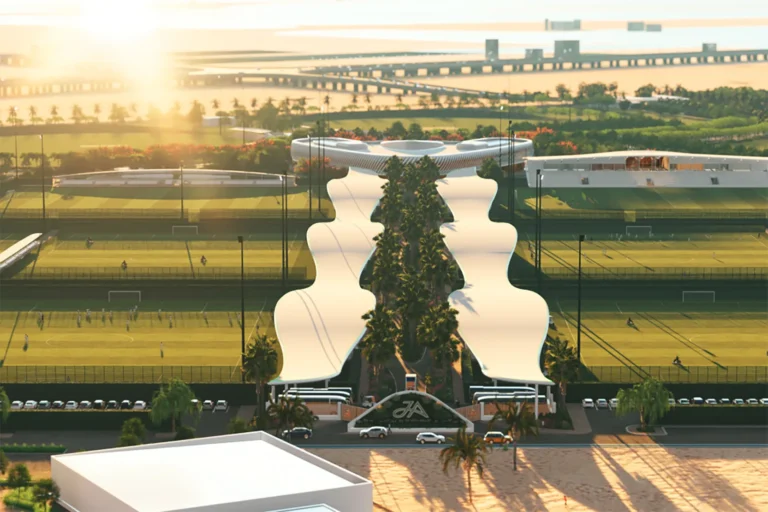
Jebel Ali Port & Freezone is a district of Dubai, 1.7 km from Life Pharmacy Metro Station.
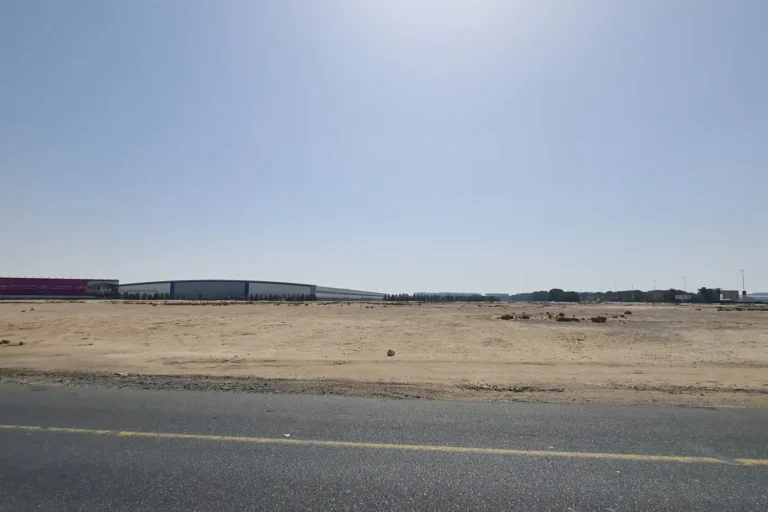
Jebel Ali Port & Freezone is a coastal industrial district at the southern end of Dubai’s shoreline, defined by one of the region’s largest maritime and logistics operations. The area combines the Jebel Ali Port — the Middle East’s largest marine terminal and one of the world’s top container hubs — with the adjacent Jebel Ali Free Zone (JAFZA), a long-established industrial and trade cluster that houses thousands of companies and supports a substantial workforce.
Jebel Ali Port & Freezone occupies a coastal position to the south of central Dubai, immediately adjacent to Sheikh Zayed Road and facing Palm Jebel Ali. The port includes the world’s largest man-made harbour and is capable of handling the largest container vessels in operation. JAFZA was established in 1985 and has grown from a handful of companies to host more than 7,000 businesses across manufacturing, trade, logistics and a range of industrial services.
The combined port and free zone functions as a regional gateway for trade: it provides deep-water access, large-scale warehousing and direct links to maritime and air freight nodes. The site’s scale and role make it a primary logistics and industrial centre for Dubai and the UAE.
Public transport and highway links serve Jebel Ali Port & Freezone, though the district is primarily oriented to vehicle and freight transport rather than pedestrian access.
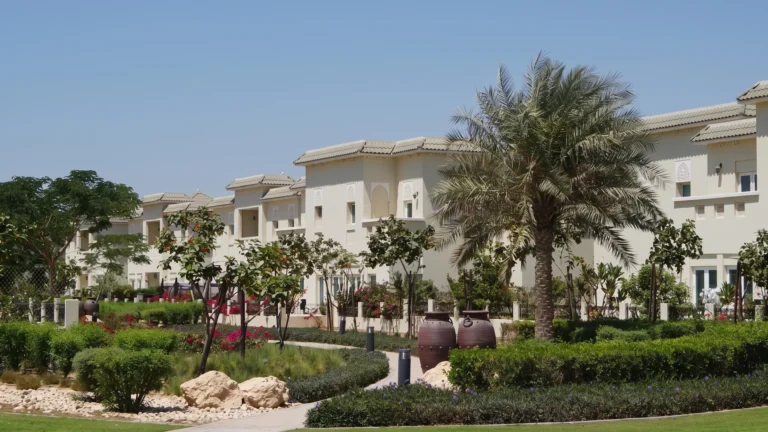
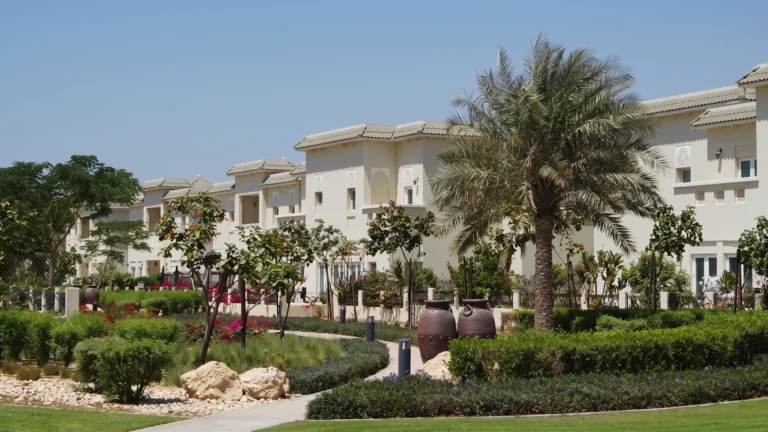
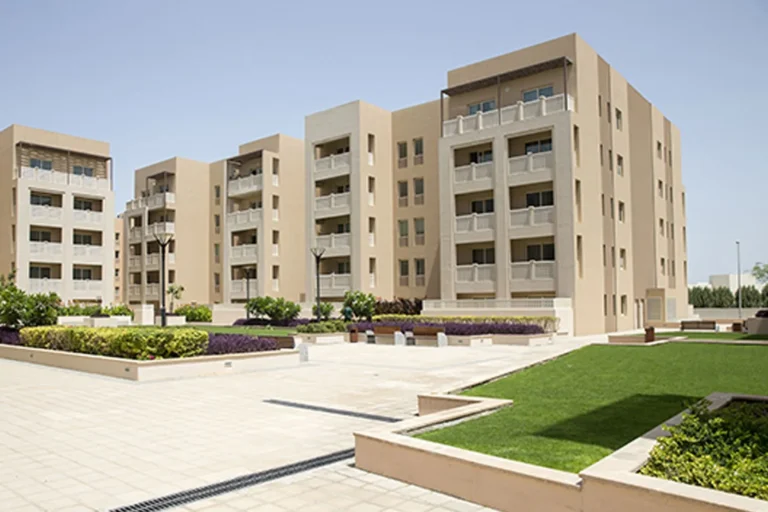
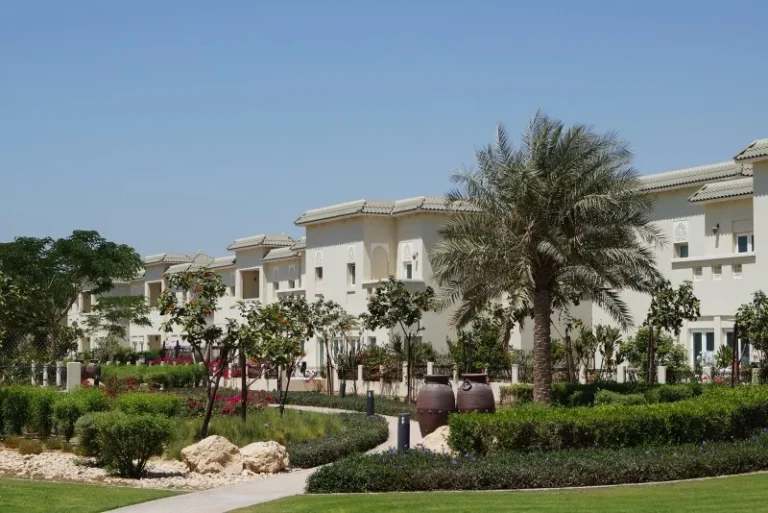
The fabric of Jebel Ali is predominantly industrial and logistical. Residential provision has historically been secondary to port and free zone functions. Jebel Ali Village, originally built in the 1970s, was refurbished to provide lower-cost housing for workers and long-term residents. On the residential side, a number of masterplans and community projects have been proposed or advanced along the waterfront and inland plots, reflecting long-term planning for mixed-use growth.
Key programme elements and projects referenced in the area include:
Collectively, these projects demonstrate a long-term transition trajectory from pure industrial use toward greater mixed-use and residential activity, even though the port and free zone functions remain the dominant operations on site.
Jebel Ali Port & Freezone is primarily suited to logistics operators, manufacturers, exporters, freight forwarders, and companies that require immediate access to deep-water berths and integrated free zone services. It also serves employees and managers working in industrial and logistics sectors who require proximity to their workplace. For property investors and developers with a long-term horizon, the corridor offers strategic land and plot opportunities tied to Dubai’s broader waterfront and transport infrastructure plans.
The location is less suited to buyers or renters seeking established, amenity-rich urban neighbourhoods focused on retail, leisure and high-density residential living. Where residential options exist, they are often tied to worker accommodation, villa communities such as Veneto, or future waterfront phases that are at various planning and delivery stages.
Is Jebel Ali primarily industrial or residential?
Jebel Ali is primarily industrial and logistics-oriented. Housing exists in pockets (for example, Jebel Ali Village and completed villa/townhouse phases in waterfront communities), but industrial and port activities define the area.
What is JAFZA and why is it important?
JAFZA is the Jebel Ali Free Zone, established in 1985. It hosts thousands of companies across manufacturing, trade and logistics, supports a large workforce and handles a major share of Dubai’s export throughput.
Are there major new projects in the area?
Yes. Notable programmes include the Bharat Mart trading complex intended to link Indian exporters to global markets, a 50,000 sqm logistics centre announced by Transworld Group and DP World inside JAFZA, and several waterfront and mixed-use masterplans and community developments proposed along the Dubai Waterfront and Sheikh Zayed Road corridor.
How well connected is Jebel Ali to central Dubai and the airports?
The area sits alongside Sheikh Zayed Road and is reachable by metro with the nearest Red Line station about 1.7 km from the core; typical drive times are roughly 27 minutes to Dubai Mall, 19 minutes to Palm Jumeirah and around half an hour to Dubai International Airport, with shorter road times to Al Maktoum International Airport from the southern corridor.
Machine-readable mirrors of this page: Markdown · JSON. Every field carries its origin.
How to cite:Jebel Ali Port & Freezone — Continental Club Property, 2026-07-30, https://continentalclub.ae/location/jebel-ali-port-freezone/
Dubai market as a whole: prices, transactions and trends (DLD data) →
Neighbouring areas and sub-communities to compare location and prices.