Buying property in Dubai is one of the most secure and profitable investments in the Middle East. Foreigners are allowed to purchase real estate in designated freehold areas with full ownership rights. This guide explains the full process of buying a property in Dubai, from choosing the right unit to final registration with the Dubai Land Department (DLD).
Yes. Non-residents and foreign nationals can buy property in freehold areas of Dubai. Ownership can be individual or shared, and it may be held personally or through a company or trust structure, depending on legal setup.
Select the property type (apartment, villa, townhouse), location (e.g., Dubai Marina, Downtown, Arjan), and whether it’s ready-to-move-in or an off-plan project from a developer.
Once agreed, both parties sign a Memorandum of Understanding (MOU), outlining the terms of sale. A standard 10% deposit is paid by the buyer into an escrow account.
The buyer (or their appointed legal advisor) should verify property documents, developer credentials, and ensure there are no outstanding legal or financial obligations.
If financing through a bank, secure pre-approval before proceeding. Both local and international banks offer property loans to non-residents in Dubai.
Once all terms are met, both parties sign the final Sale and Purchase Agreement. At this point, the transaction moves toward completion and registration.
The deal must be officially registered with the Dubai Land Department. A 4% transfer fee is paid by the buyer along with administrative charges.
After successful registration, the buyer receives the official Title Deed confirming ownership of the property in Dubai.
For ready properties: 7 to 21 business days.
For off-plan projects: up to 60 days including registration with DLD and mortgage arrangement (if required).
Buying property in Dubai as a foreigner is a structured, secure process backed by clear legal procedures. With proper guidance from a licensed broker or legal expert, you can complete your transaction confidently. Whether you seek investment, residency, or a lifestyle upgrade — Dubai’s real estate market offers lasting value.
Who Can Buy a House or Apartment in Dubai?
A foreigner can buy a house, apartment, villa or townhouse in Dubai provided that the property is located in an area where foreign ownership is permitted. These locations are generally referred to as freehold areas. In such areas, non-UAE nationals, including people who do not live in the UAE, may acquire ownership rights and register the property with the Dubai Land Department.
This means that buying property is not limited to UAE citizens or residents. A buyer may be an expatriate living in Dubai, a non-resident purchasing from abroad, or an overseas investor looking for a residential asset. Nationality itself is not usually the deciding factor. Indian nationals, as well as buyers from other countries, can purchase eligible Dubai real estate under the same freehold ownership framework.
The practical question is therefore not simply whether anyone can buy property in Dubai, but whether the specific unit is available for foreign ownership. Before making an offer, it is important to confirm the tenure of the property, the developer or seller’s authority to sell it, and the registration route with the Dubai Land Department.
Foreign buyers can purchase different types of residential property, including:
- Apartments in completed buildings or new developments;
- Villas and townhouses in eligible communities;
- Ready properties purchased from an existing owner;
- Off-plan properties purchased from a developer before completion;
- Jointly owned property, where more than one buyer is listed on the ownership documents.
The same principle applies whether the buyer intends to occupy the home, use it as a second residence, or hold it as an investment. However, ownership of a property and the right to live or work in the UAE are separate matters. A property purchase may support an application for a qualifying residency route in certain circumstances, but buyers should not assume that every purchase automatically creates residency rights.
Can Foreigners Buy Land in Dubai?
Foreigners can buy land in Dubai where the land is offered under a permitted ownership structure, including designated freehold areas. As with apartments and villas, the key issue is the legal status of the plot rather than the buyer’s nationality. A foreign individual may acquire a plot where foreign ownership is allowed and where the transaction can be registered correctly.
Buying land requires particular care because an undeveloped plot does not always have the same practical characteristics as a completed home. The buyer should understand what is being purchased: a plot with full ownership rights, land connected to a development plan, or a property interest subject to community, developer, construction or usage requirements.
Due diligence for land should include confirmation of the plot documents and an assessment of any obligations attached to it. Depending on the plot and its location, these may relate to permitted use, design rules, construction approvals, access, utilities, service charges or obligations to build within a certain framework. A buyer should ensure that the intended use of the land is compatible with the applicable rules before committing to a transaction.
For an off-plan purchase, the land itself is usually not transferred to the buyer as a separate plot. Instead, the buyer purchases a unit in a project being developed on land held by the developer. In this case, reviewing the developer’s credentials, project documentation and payment structure remains essential. The buyer should also check how the future unit will be registered once the project reaches the relevant stage of completion.
Whether purchasing a plot, a villa on its own land or an apartment in a master-planned development, the final ownership position should be reflected in the official registration process. The title document issued after registration is the key record confirming the buyer’s ownership interest.
Buying Dubai Property Through a Company
A foreign company can potentially buy property in Dubai, but the correct structure depends on the company’s legal setup and the type of property being acquired. The page’s basic purchase process remains relevant: the property must be eligible for the intended ownership structure, the buyer must complete due diligence, and the transaction must be registered with the Dubai Land Department.
Company ownership can be considered when a buyer wishes to hold real estate through a legal entity rather than in an individual name. This may be relevant for investors with several owners, family structures, business groups or buyers who already hold assets through a corporate vehicle. It can also make ownership administration different from a personal purchase, particularly where the company has its own shareholders, directors and internal approval procedures.
A company buyer should be prepared to provide corporate documents in addition to the documents required from an individual purchaser. The exact list may vary depending on the entity and transaction, but company documentation is generally needed to establish that the business exists, identify its authorised representatives and confirm who has the authority to sign the purchase documents.
Before signing an MOU or Sale and Purchase Agreement in a company name, it is sensible to make sure that:
- The company is eligible to hold the selected property;
- The company name is correctly stated in all transaction documents;
- The authorised signatory has authority to execute the MOU, SPA and transfer papers;
- Required corporate documents are available in an acceptable form;
- The source of purchase funds and any financing arrangements are clear;
- The planned ownership structure is reviewed before the deposit is paid.
Corporate ownership does not remove the need for proper registration. The ownership record must identify the legal entity that is acquiring the property. Where a company structure is used, legal and administrative preparation can take more attention than a straightforward individual purchase, so it is useful to organise the company documents early in the transaction.
Documents Required to Buy Property in Dubai
The basic documents for a foreign buyer include a valid passport copy and, where applicable, a visa or entry stamp. These documents help establish the buyer’s identity for the transaction and registration process. Non-residents can still buy eligible property, so UAE residency is not necessarily required for ownership.
Where the purchase is funded with a mortgage, the bank will normally require financial information. The page already identifies proof of income or a bank statement as relevant mortgage documents. Buyers should seek mortgage pre-approval before proceeding too far with the purchase, especially when the ability to complete the transaction depends on financing.
For a property purchased through a company, company documents are required. Since the buyer is the legal entity rather than a private individual, the documents must show the company’s legal status and signing authority. It is important that these papers are ready before the final transfer stage, as missing or incomplete documents can delay completion.
Documents used during a Dubai property purchase can also include the MOU, the final Sale and Purchase Agreement and property-related records reviewed during due diligence. Buyers should carefully check that the seller’s details, property description, agreed price, payment terms and completion conditions are consistent across the relevant paperwork.
Before final registration, buyers should retain copies of all signed documents and evidence of payments. The transaction culminates in registration with the Dubai Land Department, after which the Title Deed is issued for the registered owner. This document is especially important because it confirms legal ownership of the property.
Document requirements can differ between a ready property, an off-plan purchase, a cash transaction, a mortgage purchase and a company acquisition. For this reason, preparing the core identity, financial and corporate documents at the start helps avoid unnecessary disruption later in the process.
Does Dubai Have Property Taxes?
Dubai does not impose an annual property tax or capital gains tax in the way many international buyers may expect from other markets. This is one reason the total cost of ownership is often assessed differently from jurisdictions where annual taxes are charged simply for holding a residential property.
However, the absence of annual property tax does not mean that purchasing property has no costs. The buyer should budget for the transaction fees stated in the purchase process. These include the Dubai Land Department transfer fee of 4%, administrative charges of approximately AED 4,000 and agency commission, usually 2% of the property value. If a mortgage is used, the mortgage setup fee of around 0.25% of the loan value may also apply.
These costs should be considered separately from the agreed purchase price. A buyer who is arranging finance should also account for the deposit, which is generally 10% under the MOU process described on the page, while ensuring that the payment and escrow arrangements are properly understood.
Property ownership can also involve ongoing payments associated with the building or community. Such costs are not the same as government property tax. They may relate to maintenance, management or shared facilities, depending on the type of property and the development. Buyers should ask for clear information about applicable ongoing obligations during due diligence, especially when comparing apartments, villas, townhouses and off-plan projects.
For an overseas buyer, it is also prudent to consider tax obligations in their country of residence. Dubai’s local tax treatment does not automatically determine how rental income, future sale proceeds or foreign-owned assets are treated elsewhere. The buyer’s personal tax position depends on their own country and circumstances.
A clear budget should therefore include the property price, Dubai transaction charges, financing-related costs where relevant and expected ownership expenses. Reviewing these points before signing the MOU helps the buyer proceed with a more complete understanding of the commitment.

 Rise By Athlon 1 Wadi Al Safa 5 · 1–3 BR
from AED 1,412,000
 Zuha Island Villas World Islands
from AED 68,000,000
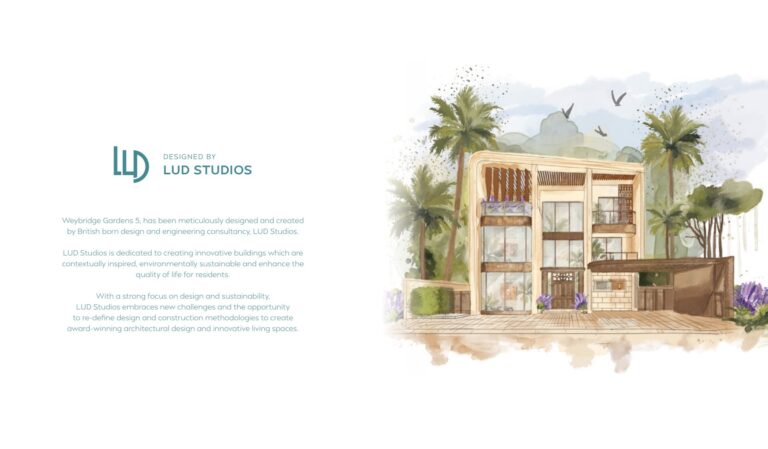 Weybridge Gardens Phase 5 by Leos Developments Dubailand Oasis
from AED 756,782